Osborne Head & Neck Institute | Los Angeles
Parotidectomy
Advanced Surgical Treatment of Parotid Tumors
Ryan F. Osborne, MD | Fellowship-Trained Head & Neck Surgical Oncologist
Medically Reviewed By: OHNI Clinical Staff · Last Updated: November 2, 2026
Indications
The Role of Parotidectomy
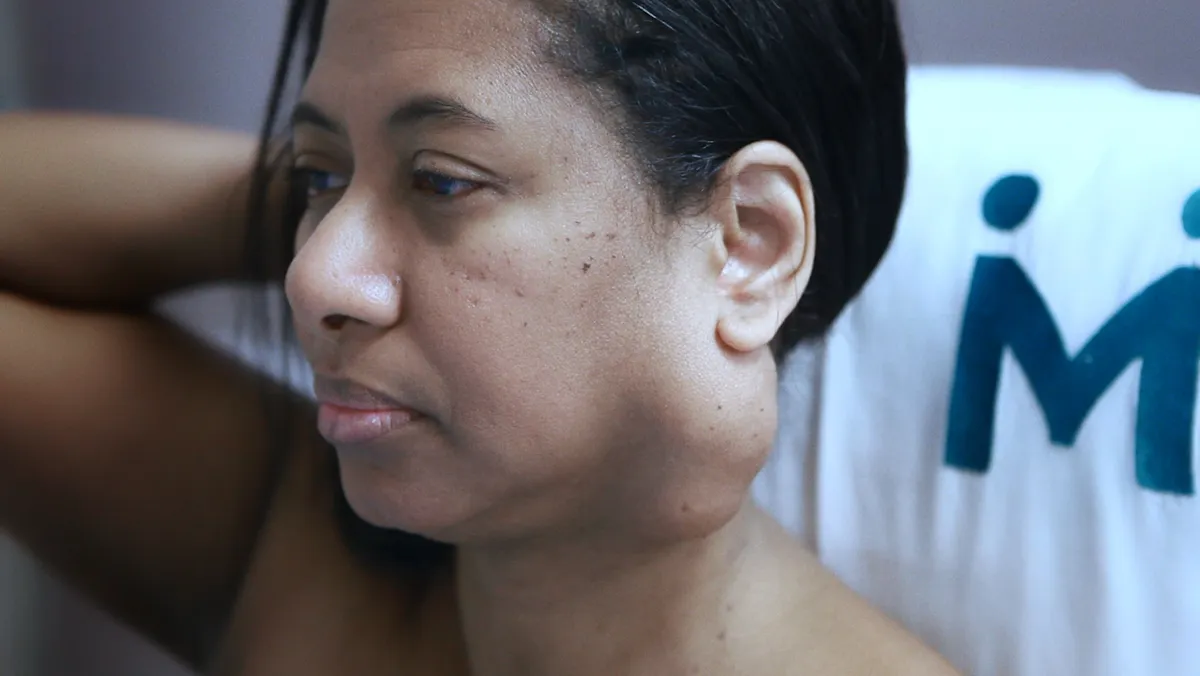
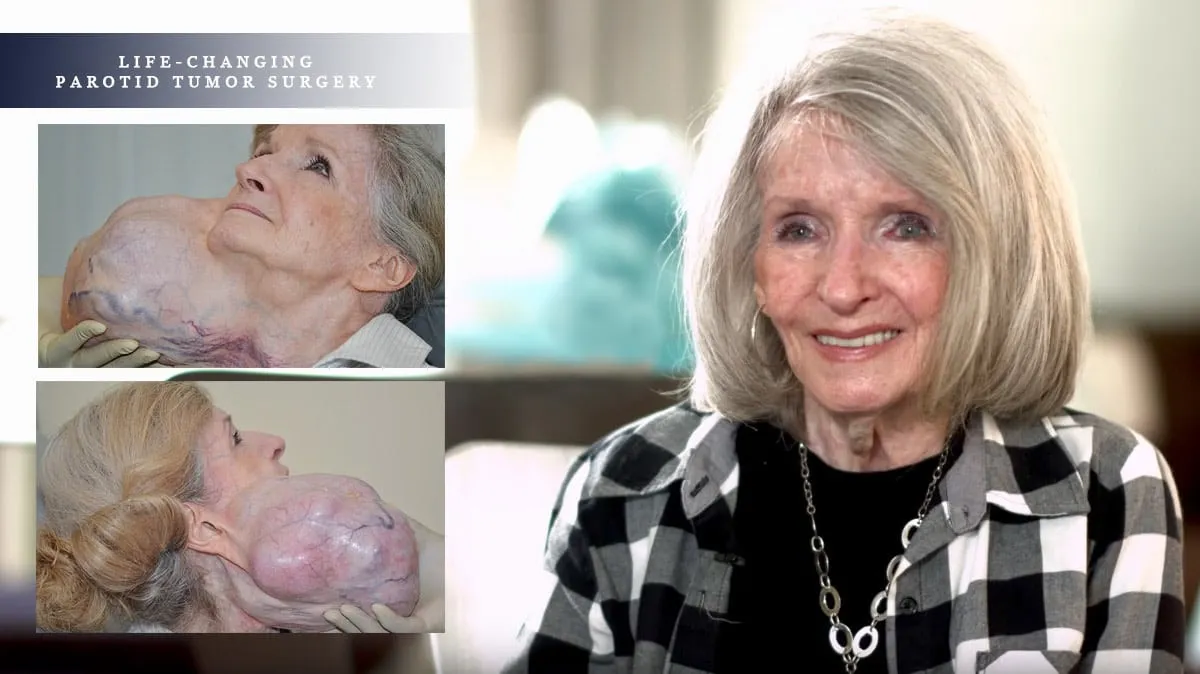
Although most parotid tumors are benign, surgical management is frequently recommended due to progressive growth, diagnostic limitations of biopsy, and the potential for malignant transformation over time.
Critical Anatomy
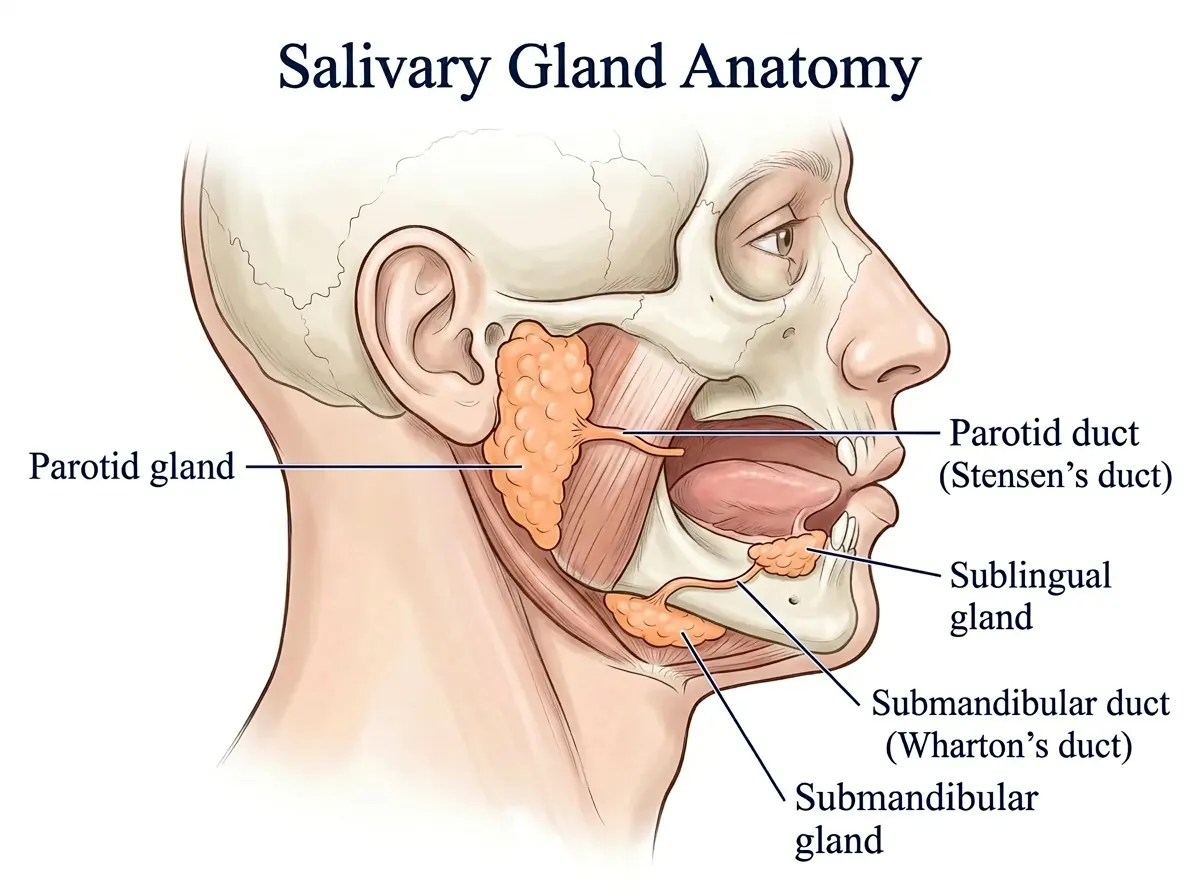
Surgical Anatomy & Expertise
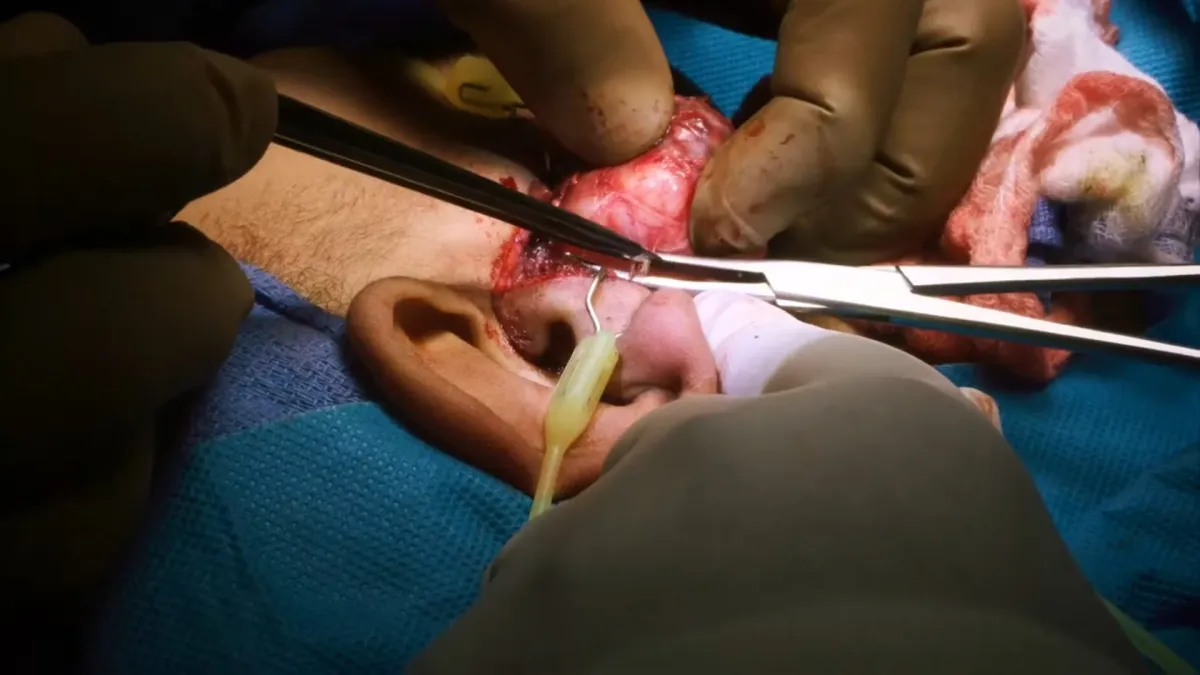
The defining complexity of parotid surgery lies in the facial nerve, which divides the gland into superficial and deep lobes. Successful parotidectomy requires:
Precise identification of the facial nerve trunk
Systematic dissection of its branches
Complete tumor removal without compromising nerve integrity
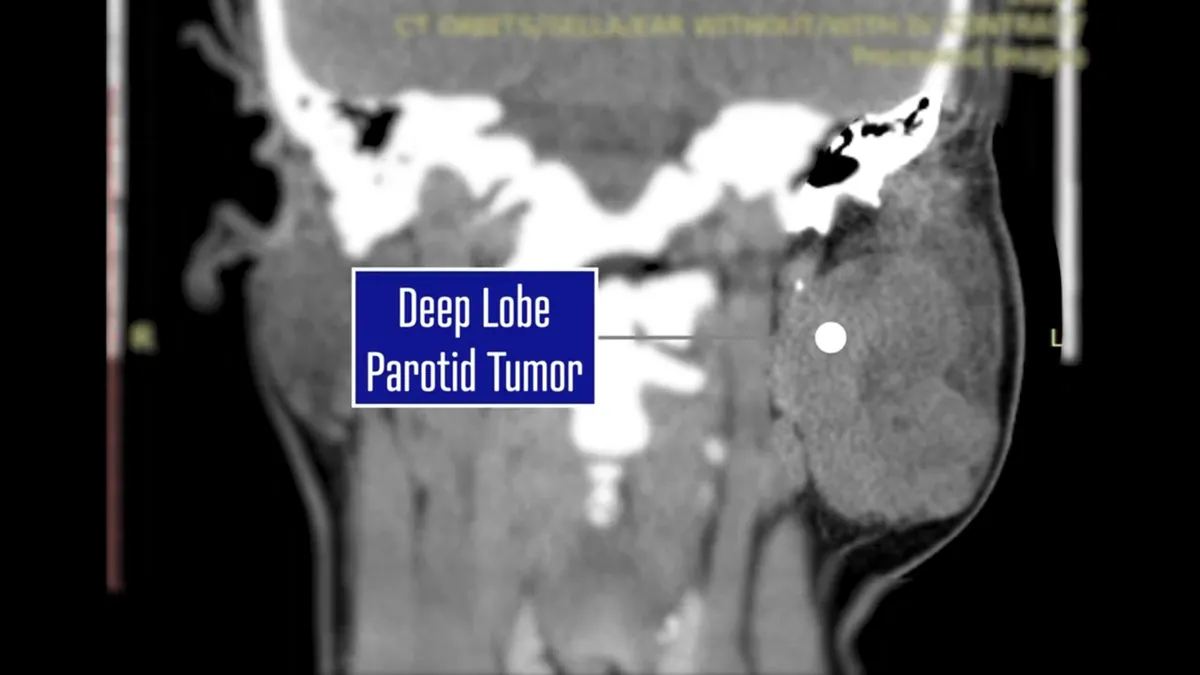
This is particularly critical in deep lobe tumors, parapharyngeal space involvement, and revision or recurrent disease.
Surgical Approaches
Types of Parotidectomy
The surgical approach is tailored to tumor characteristics and location, balancing complete removal with preservation of the facial nerve and surrounding structures.
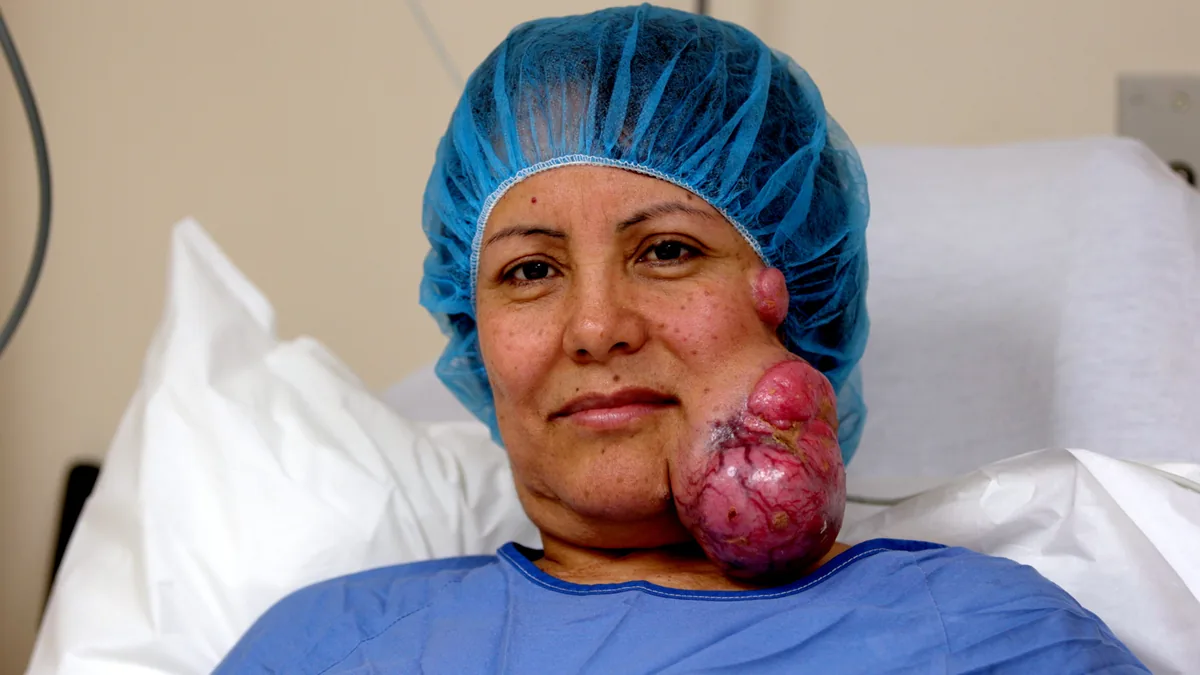
PAROTID TUMOR REMOVAL
Preserve facial nerve function and natural contour of the face.
Superficial Parotidectomy
Removal of the superficial lobe. Most commonly performed for benign tumors.
Total Parotidectomy
Removal of both superficial and deep lobes. Indicated for deep tumors or malignancy.
Extracapsular Dissection
A minimally invasive approach to parotid tumor removal for select small, benign lesions.
Advanced Techniques Focused on Precision and Preservation
Parotid surgery requires a delicate balance: removing disease while preserving critical structures like the facial nerve. Dr. Osborne specializes in techniques designed to minimize invasiveness and maximize outcomes, including:
Extra-Capsular Dissection (ECD)
A refined approach that removes tumors with greater precision while preserving surrounding tissue when appropriate.
Extensive Experience in Superficial Parotidectomy
Performed with a nuanced understanding gained from global surgical exposure, not just standardized training pathways.
Unlike many surgeons trained within a single system, Dr. Osborne evaluates each case individually, selecting the technique that offers the best functional and cosmetic outcome.
Advanced Technique
The Osborne Incision™
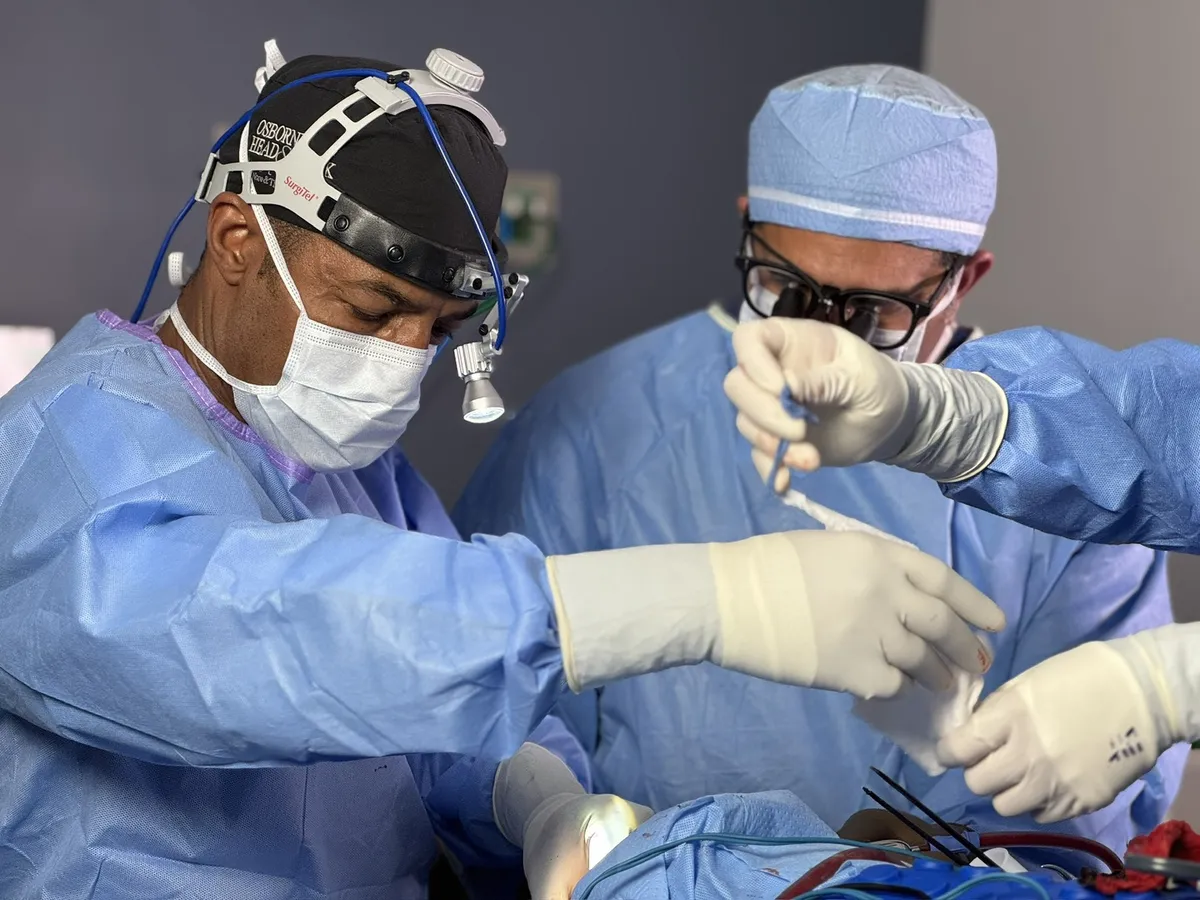
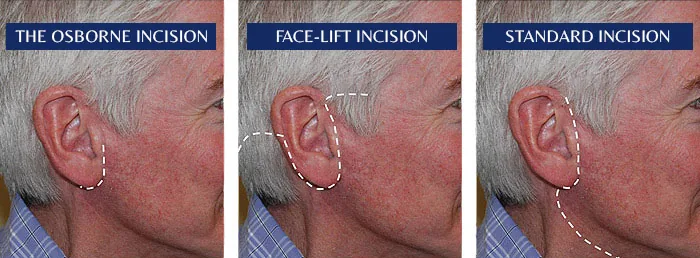
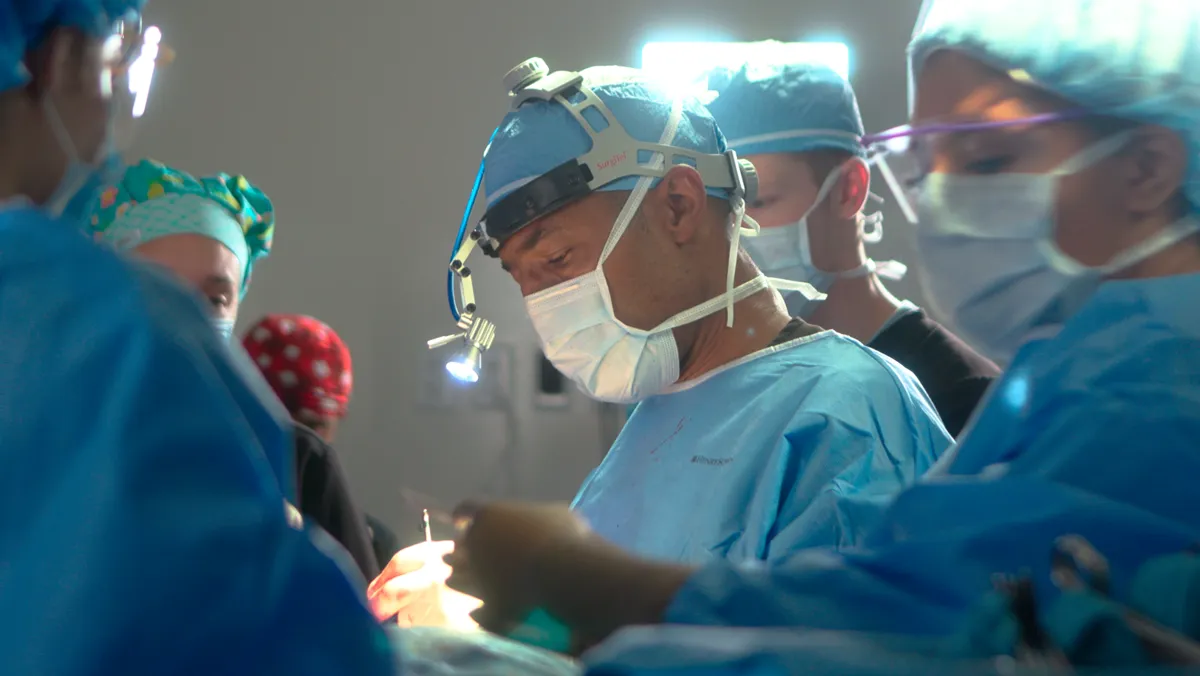
The Osborne Incision™ represents a refined mini-incision parotidectomy technique designed to optimize both surgical exposure and cosmetic outcome.
Unlike traditional wide exposures, The Osborne Incision™ prioritizes anatomic efficiency, allowing for safe identification of the facial nerve and complete tumor removal through a more limited surgical corridor.
Benefits
Clinical Advantages
In appropriately selected patients, The Osborne Incision™ offers significant benefits. Incision size is never prioritized over safety.
Patient Benefits
Best Candidates
Central Principle
Facial Nerve Preservation
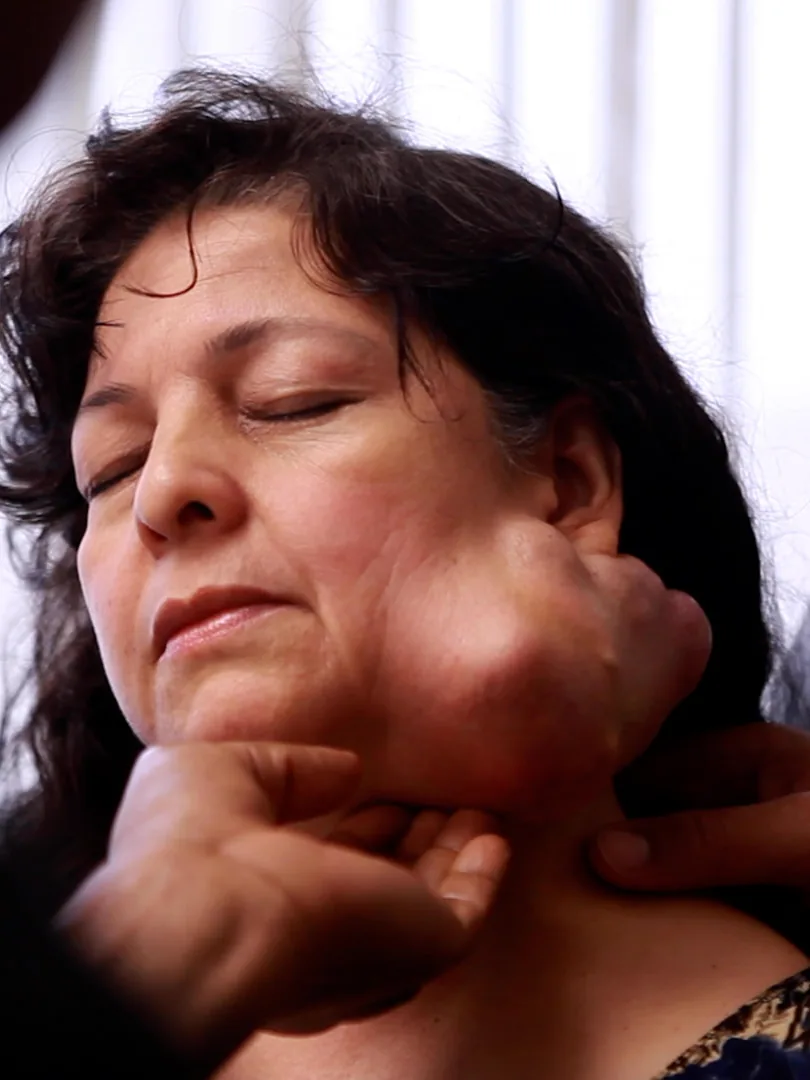
Preservation of facial nerve function is the most critical determinant of surgical success, every step of the procedure is designed to identify, trace, and protect the facial nerve.
PAROTID TUMOR REMOVAL
Preserve facial nerve function and natural contour of the face.
Continuous Nerve Monitoring
Real-time intraoperative monitoring tracks nerve integrity throughout every stage of dissection.
Microsurgical Dissection
High-magnification optics enable precise identification and protection of fine nerve branches.
Systematic Branch Mapping
Each nerve branch is methodically identified, traced, and preserved before tumor removal.
In rare cases where the nerve is involved by tumor, segmental resection and immediate reconstruction can be performed.
Patient Journey
Planning, Risks & Recovery
Preoperative Evaluation
Risks & Complications
Recovery
Restoration
Reconstructive Considerations
Reconstruction optimizes both functional and aesthetic outcomes after parotidectomy.
Goals
Techniques
Our Approach
Treatment Philosophy
Oncologic Completeness
Complete tumor removal remains the primary objective.
Functional Preservation
Facial nerve integrity is prioritized at every stage of surgery.
Aesthetic Optimization
Refined techniques, including The Osborne Incision™, allow for improved cosmetic outcomes without compromising safety.
Don't Wait
When to Consider Parotidectomy
Early evaluation allows for more precise planning and, in many cases, less invasive surgical approaches.
A persistent or enlarging parotid mass
A confirmed diagnosis of parotid tumor
Symptoms such as facial weakness or pain
Recurrent or previously treated disease
Real Patients. Real Outcomes.
Patient Reviews for Osborne Head & Neck Institute
Each story reflects what matters most: accurate diagnosis, thoughtful treatment, and outcomes that restore both function and confidence.
Hear From Our Patients
Patient Testimonials
Patients travel from across the United States and around the globe for salivary gland and parotid surgery at the Osborne Head & Neck Institute. Find a story from your state or country and see what the journey looked like for someone in your position.
View Patient TestimonialsPATIENT EDUCATION
Parotidectomy FAQs
A parotidectomy is the surgical removal of part or all of the parotid gland, typically performed to remove tumors. The extent of surgery depends on the size, type, and location of the tumor.
Most parotidectomy procedures take between 2 to 4 hours, depending on the complexity of the case, tumor location, and whether reconstruction is performed.
Yes, but modern incision techniques are designed to minimize visible scarring. Incisions are typically placed in natural skin creases or behind the ear for optimal cosmetic results.
The primary risks include temporary facial weakness, numbness near the ear, Frey's syndrome (gustatory sweating), and changes in facial contour. Most risks are minimized by experienced surgeons.
Most patients return to normal activities within 2–4 weeks. Initial swelling resolves in 1–2 weeks, though full healing and nerve recovery may continue for several months.
Why Choose OHNI
Not Big Medicine | Personalized, Global Expertise
Many patients assume the best care is found at large, well-known institutions. While these centers offer excellent care, they often operate within standardized systems shaped by regional training models.
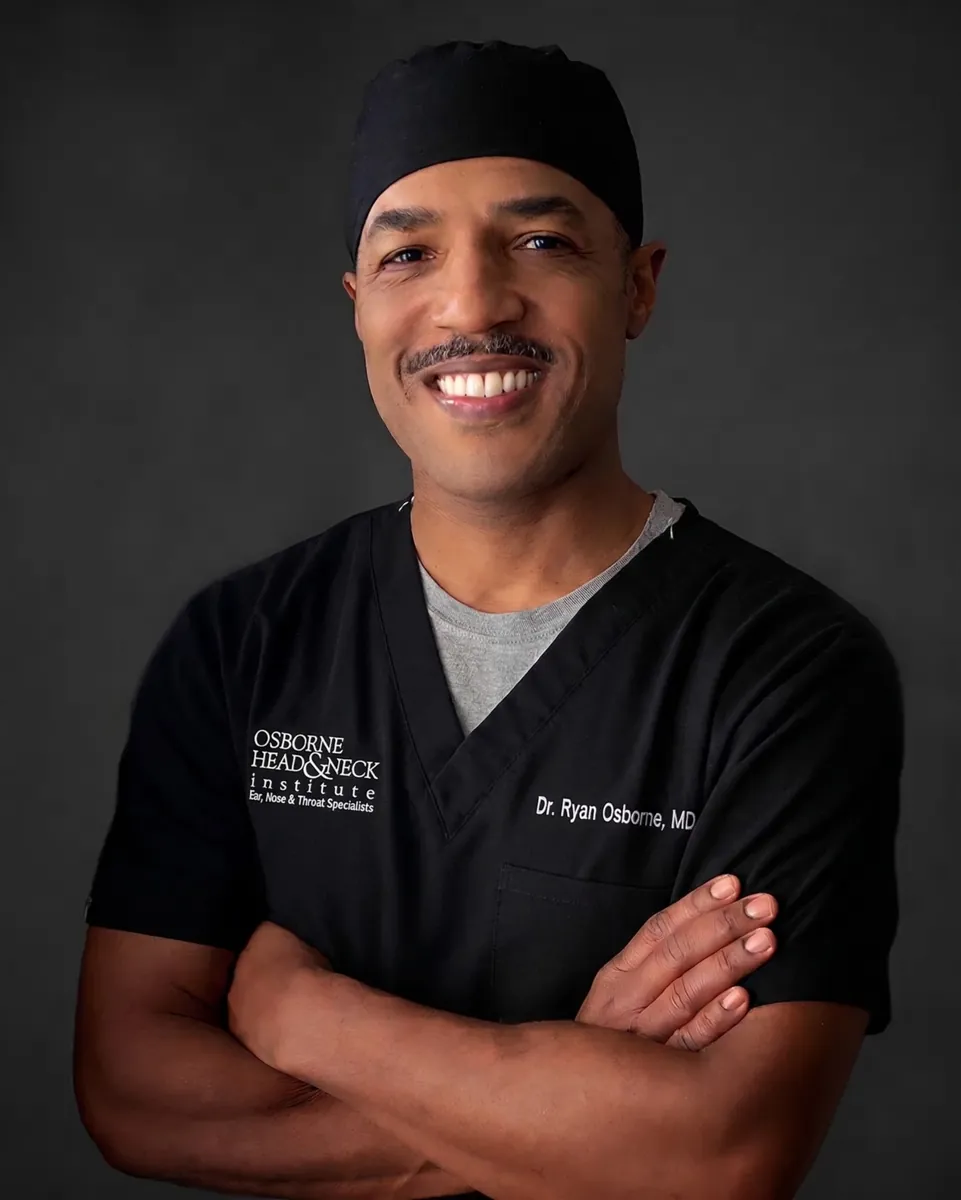
At OHNI, Dr. Ryan Osborne offers something fundamentally different: a truly global perspective combined with highly personalized surgical care with experience across five continents, tailoring each procedure to the individual patient, not the system.
Global Perspective
Experience across five continents, applying diverse surgical philosophies and techniques beyond standard U.S. training.
Precision & Preservation
Specialized techniques like Extra-Capsular Dissection designed to minimize invasiveness while protecting the facial nerve.
Patient-First Care
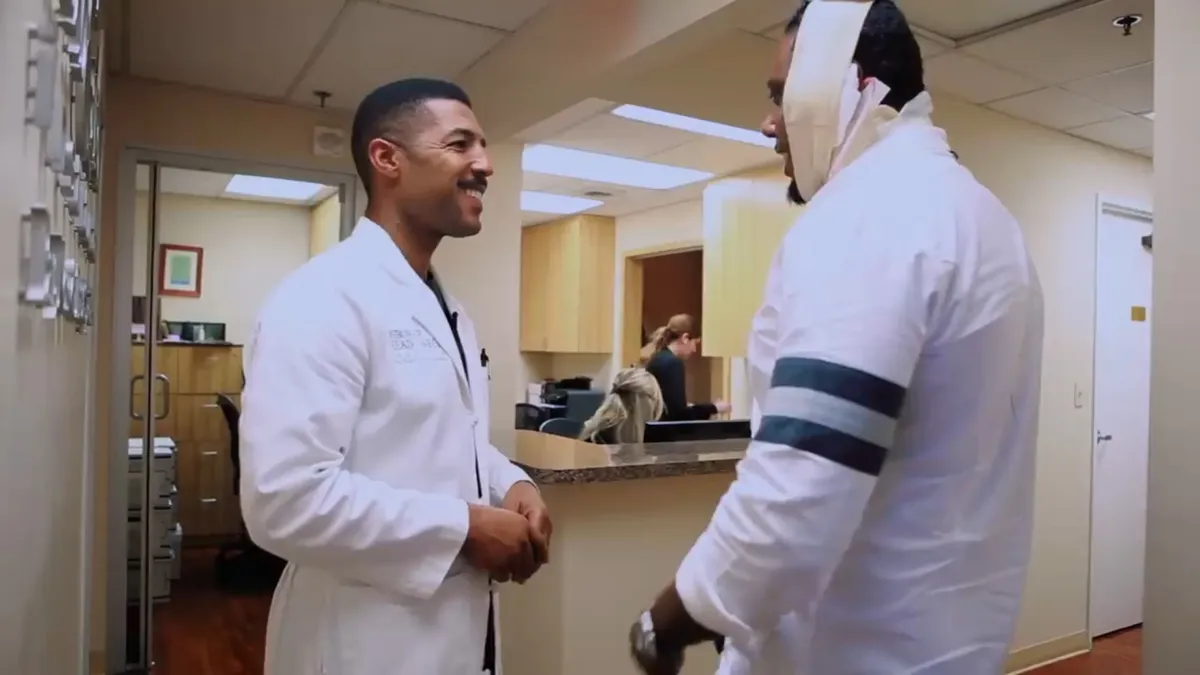
Direct surgeon access, individualized treatment planning, and a focus on both medical outcomes and quality of life.
Proven Outcomes
Patients consistently highlight clear communication, confident surgical decisions, and excellent functional results.
Expert Parotid Surgery
When performed by experienced specialists, parotidectomy offers excellent results, balancing oncologic effectiveness, functional preservation, and aesthetic refinement within a comprehensive salivary gland care framework.
Become a Patient
Contact the Osborne Head & Neck Institute for expert evaluation and surgical planning for parotid tumors.