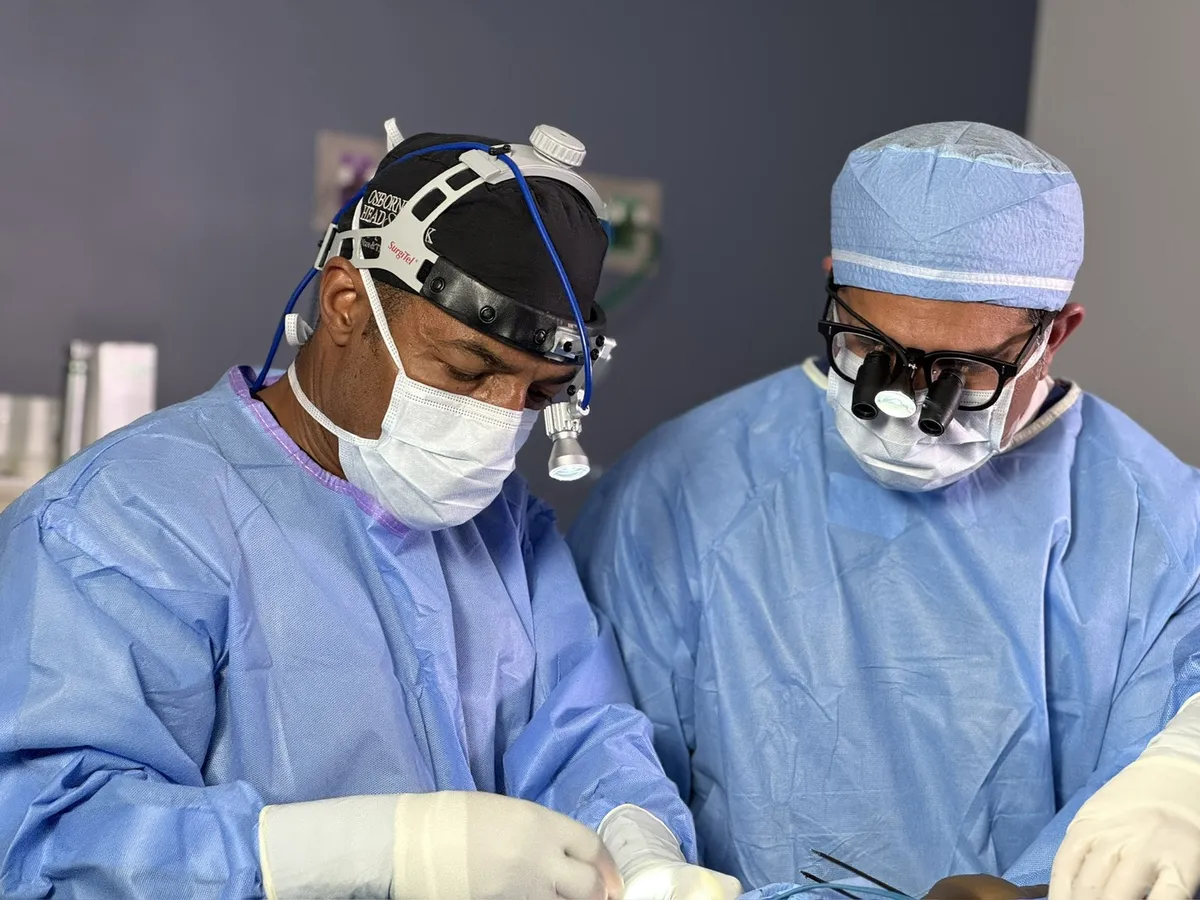
Osborne Head & Neck Institute, Los Angeles
Salivary Gland Surgery
Advanced Treatment for Parotid & Salivary Disorders
Precision-based, minimally invasive, function-preserving techniques, guided by oncologic completeness, facial nerve preservation, and aesthetic optimization. See the salivary gland glossary for definitions.
Ryan F. Osborne, MD, Fellowship-Trained Head & Neck Surgical Oncologist
Medically Reviewed By: OHNI Clinical Staff · Last Updated: November 4, 2026
Conditions
Understanding Salivary Gland Conditions
Salivary gland disorders vary widely in cause and severity. Accurate diagnosis is essential before selecting a surgical approach.
Core Procedure
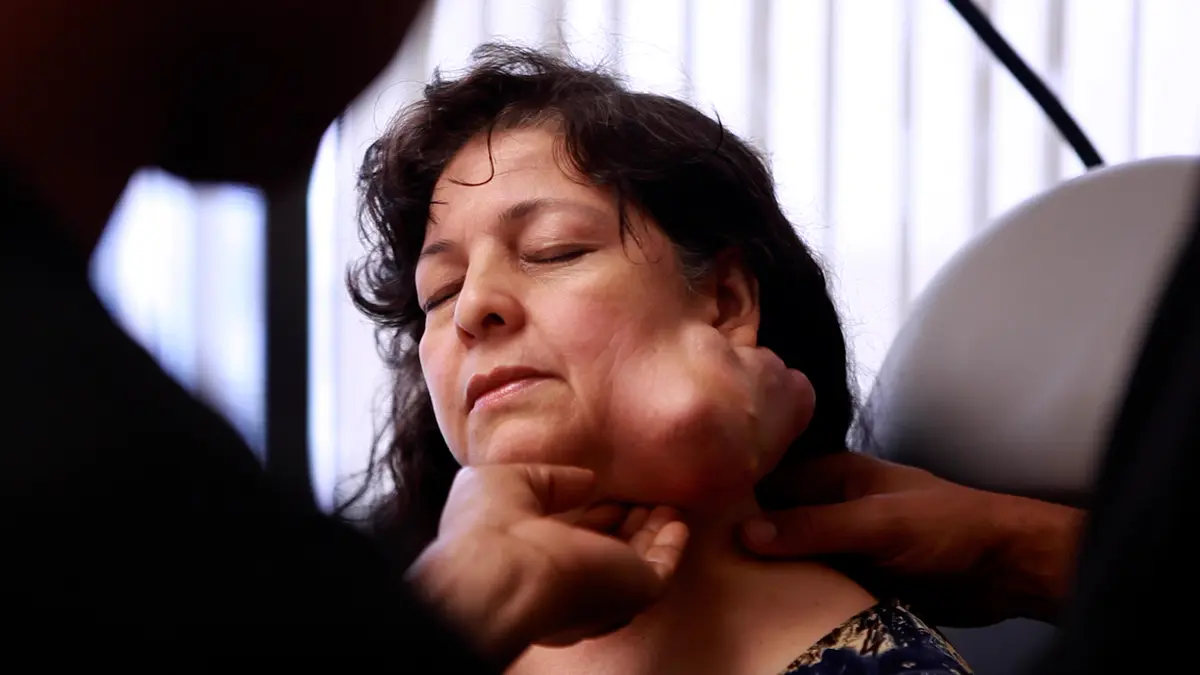
Parotidectomy
Parotidectomy is the cornerstone procedure in salivary gland surgery, particularly for tumors of the parotid gland. It involves removal of part or all of the gland while preserving the facial nerve.
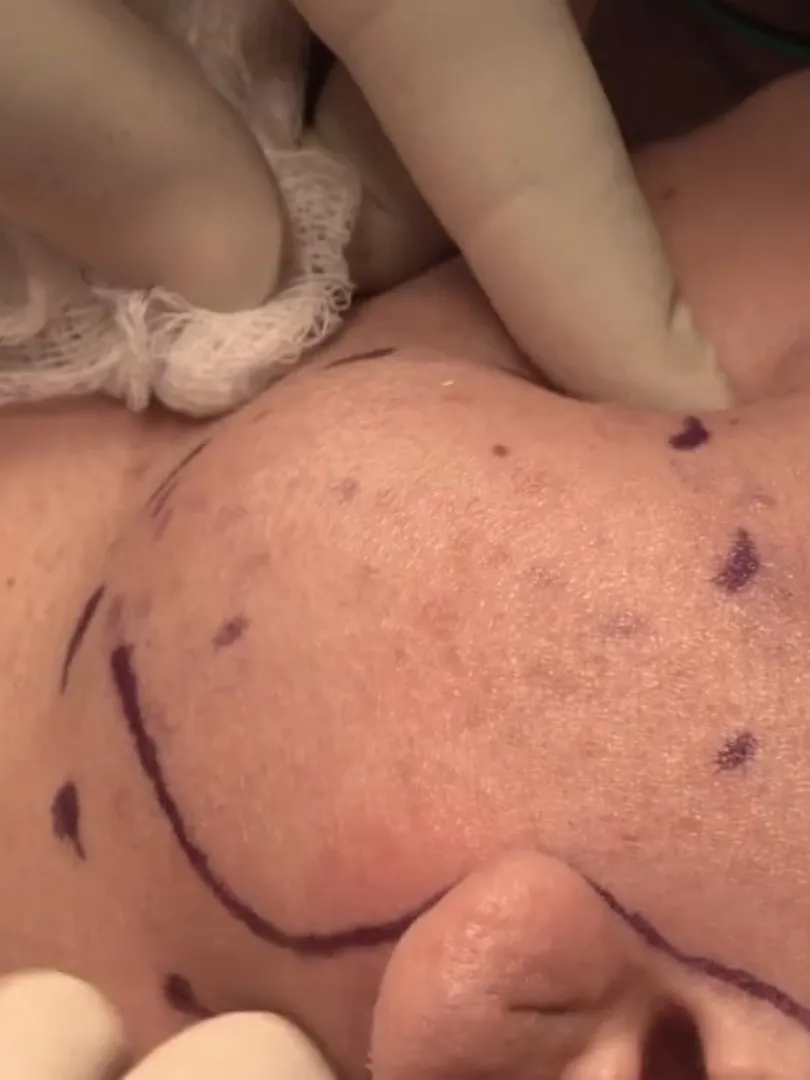
Benign Tumors
Pleomorphic adenoma, Warthin's tumor, and other benign neoplasms
Malignant Tumors
Complete oncologic resection with nerve preservation when possible
Recurrent Disease
Revision surgery for tumors that return after prior treatment
Inflammatory Conditions
Select chronic conditions unresponsive to medical management
Minimally Invasive
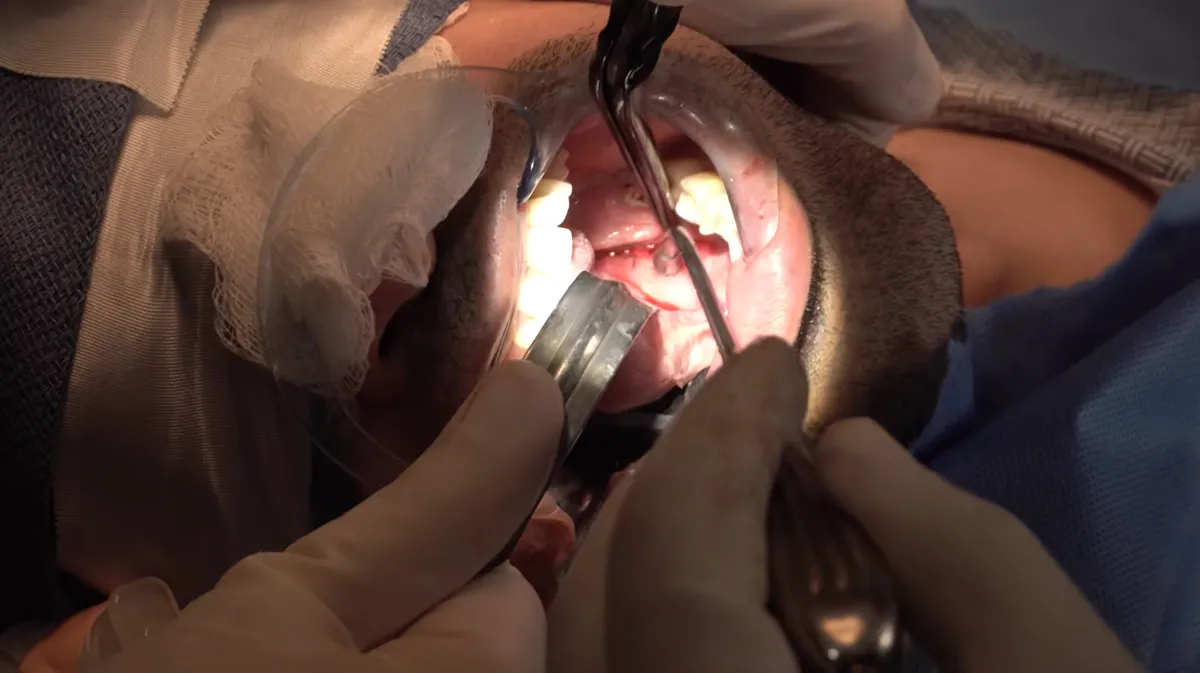
Sialendoscopy
Not all salivary gland conditions require open surgery. Sialendoscopy is a minimally invasive, gland-preserving procedure used to treat obstructive disorders such as stones and ductal narrowing.
Advanced Technique
The Osborne Incision™
The Osborne Incision™ represents a refined mini-incision technique in parotidectomy, prioritizing precision access and cosmetic outcomes.
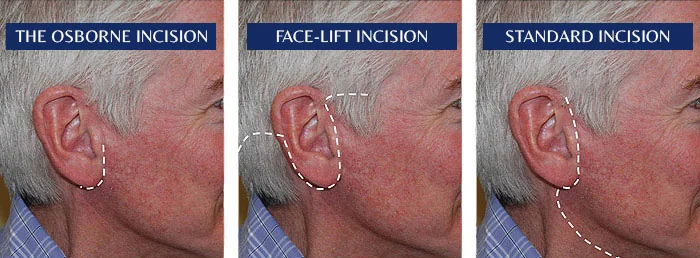
Smaller, strategically placed incision
Reduced tissue disruption
Improved aesthetic outcomes
Full preservation of surgical safety
Best suited for small to moderate benign tumors in favorable superficial locations.
Critical Structure
Facial Nerve Preservation
The facial nerve runs directly through the parotid gland and is the most critical structure in salivary gland surgery. In complex cases, nerve reconstruction may be required. Functional recovery remains a key goal.
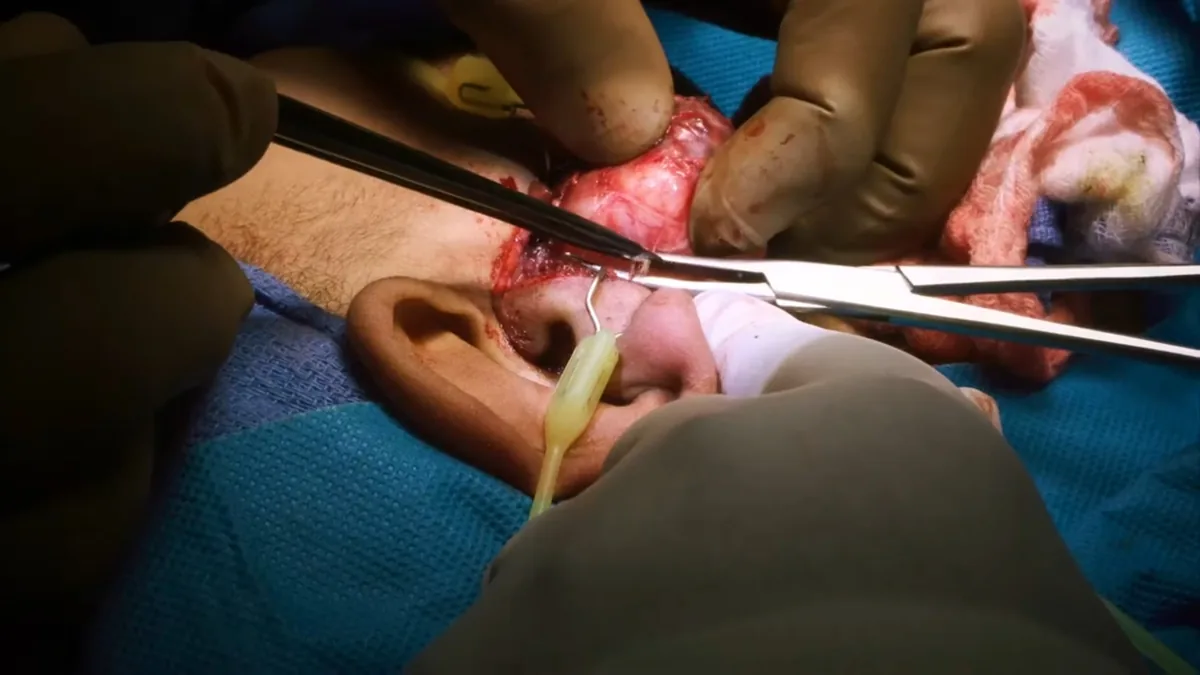
Intraoperative Nerve Monitoring
Real-time feedback ensures nerve integrity throughout the procedure
Microsurgical Dissection
Precision technique to safely navigate around nerve branches
Branch-by-Branch Identification
Systematic mapping of all five facial nerve branches for complete preservation
Restoration
Parotid Reconstruction
Reconstruction is a critical component of modern salivary gland surgery, not an afterthought. Techniques may include fat grafting, tissue flaps, and barrier placement.
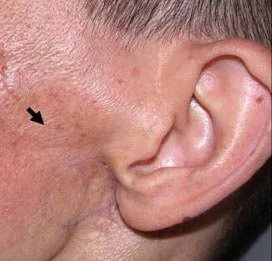
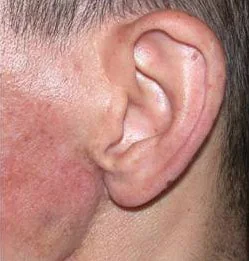
Facial Symmetry
Restoration of natural facial contour and balance
Frey's Prevention
Prevention of gustatory sweating through barrier techniques
Structure Protection
Protection of underlying anatomical structures
Cosmetic Optimization
Achieving the best possible aesthetic outcome
Patient Safety
Risks of Salivary Gland Surgery
Salivary gland surgery is safe when performed by specialists, but understanding risks is essential.
Key Considerations
Risk is influenced by tumor type and size, location (superficial vs deep lobe), and prior surgery.
Post-Operative
Recovery After Surgery
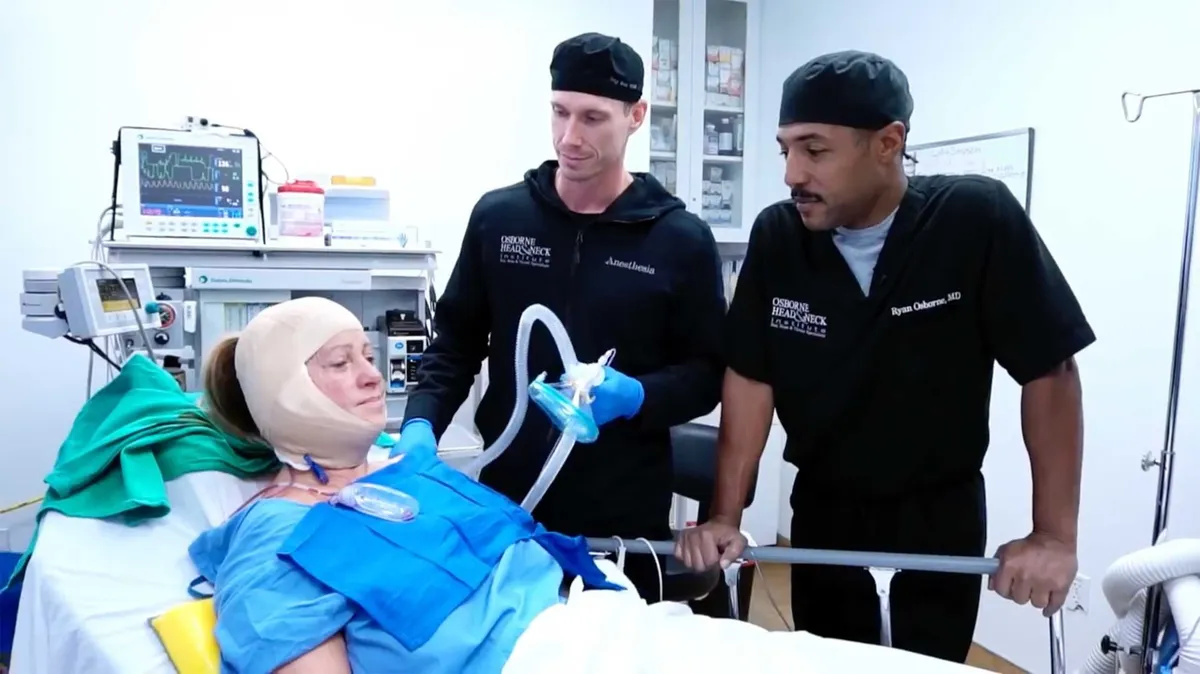
Recovery is typically predictable and well tolerated. Temporary facial weakness may occur but often improves over time.
Swelling and mild discomfort
Return to normal activity
Continued healing and scar maturation
Real Patients. Real Outcomes.
Patient Reviews for Osborne Head & Neck Institute
Each story reflects what matters most: accurate diagnosis, thoughtful treatment, and outcomes that restore both function and confidence.
Hear From Our Patients
Patient Testimonials
Patients travel from across the United States and around the globe for salivary gland and parotid surgery at the Osborne Head & Neck Institute. Find a story from your state or country and see what the journey looked like for someone in your position.
View Patient TestimonialsOur Approach
Treatment Philosophy
Salivary gland surgery at a specialized center is guided by three core principles.
Oncologic Precision
Complete and safe removal of disease
Functional Preservation
Protection of the facial nerve and gland function
Aesthetic Optimization
Minimizing visible impact and restoring natural contour
Next Steps
When Surgery Is Recommended
Surgical evaluation is appropriate for patients with the following. Early evaluation allows more treatment options, less invasive approaches, and better outcomes.
Patient Education
Frequently Asked Questions
Salivary gland surgery is typically recommended for conditions such as parotid tumors, salivary gland stones (sialolithiasis), chronic infections (parotitis), and ductal obstruction. Surgery may also be necessary when a lump near the jaw is persistent, growing, or associated with symptoms like pain or facial weakness.
Salivary gland surgery is generally safe when performed by experienced specialists. The most important risk involves the facial nerve, which controls facial movement. Modern techniques, including nerve monitoring and microsurgical dissection, significantly reduce the risk of complications and improve outcomes.
Most patients recover within 2 to 4 weeks, depending on the type of procedure. Minimally invasive treatments like sialendoscopy may require only a few days of recovery, while procedures such as parotidectomy may involve several weeks for full healing and gradual improvement in swelling or temporary nerve weakness.
Scarring depends on the type of surgery and technique used. Modern approaches, such as facelift-style or mini-incision techniques, are designed to minimize visible scarring by placing incisions in natural skin creases or behind the ear. In many cases, scars become barely noticeable over time.
Yes, not all conditions require open surgery. Minimally invasive procedures like sialendoscopy can treat salivary stones and duct obstruction without external incisions. However, tumors and certain complex conditions often require surgical removal for definitive treatment.
Why Choose OHNI
Not Big Medicine | Personalized, Global Expertise
Many patients assume the best care is found at large, well-known institutions. While these centers offer excellent care, they often operate within standardized systems shaped by regional training models.
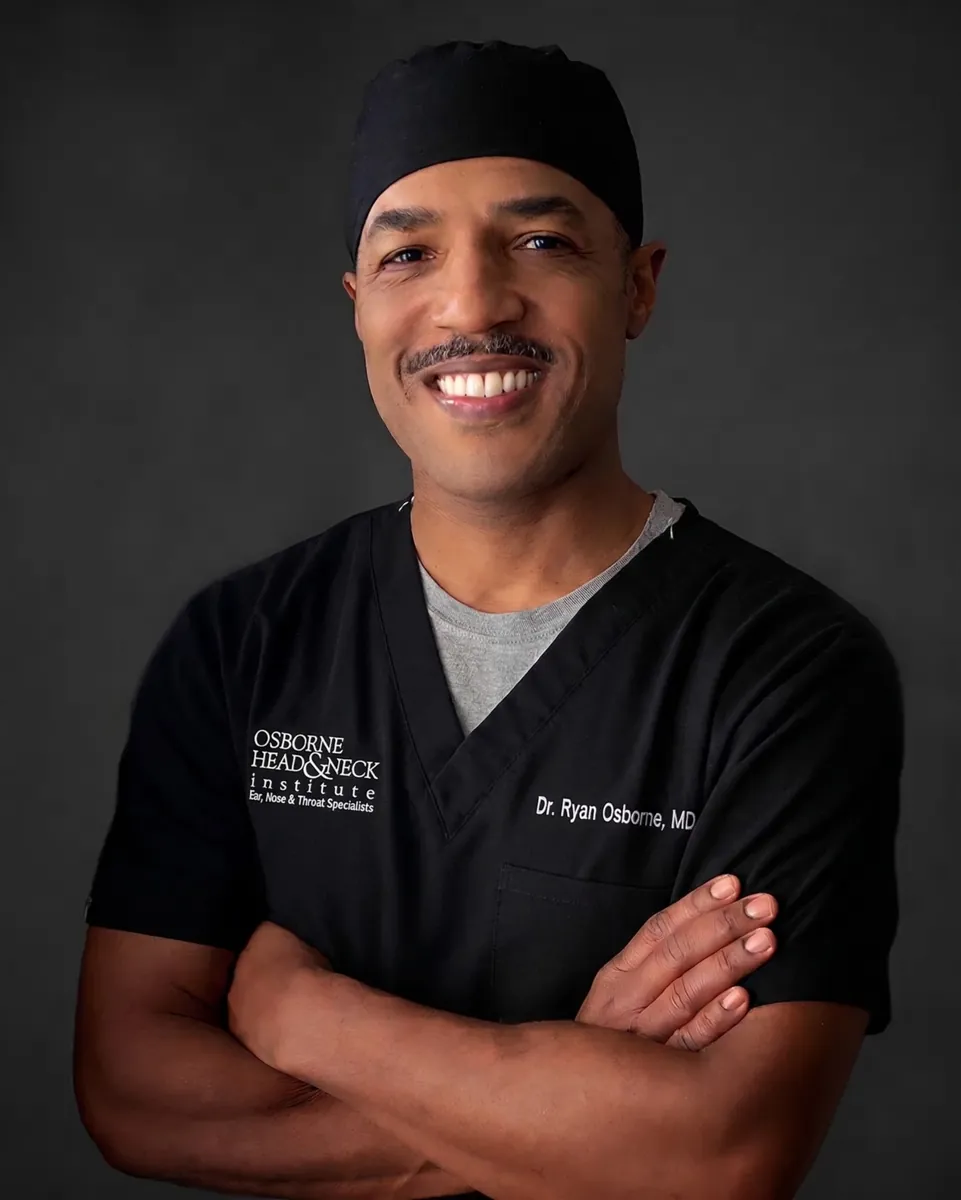
At OHNI, Dr. Ryan Osborne offers something fundamentally different: a truly global perspective combined with highly personalized surgical care with experience across five continents, tailoring each procedure to the individual patient, not the system.
Global Perspective
Experience across five continents, applying diverse surgical philosophies and techniques beyond standard U.S. training.
Precision & Preservation
Specialized techniques like Extra-Capsular Dissection designed to minimize invasiveness while protecting the facial nerve.
Patient-First Care
Direct surgeon access, individualized treatment planning, and a focus on both medical outcomes and quality of life.
Proven Outcomes
Patients consistently highlight clear communication, confident surgical decisions, and excellent functional results.
Expert Salivary Gland Surgery
Whether addressing tumors, obstruction, or chronic gland disorders, the goal remains consistent: effective treatment with preservation of function, appearance, and quality of life.
Become a Patient
Contact the Osborne Head & Neck Institute for expert evaluation and surgical planning.