Osborne Head & Neck Institute | Los Angeles
Do All Parotid Tumors Need Surgery?
Ryan F. Osborne, MD, Fellowship-Trained Head & Neck Surgical Oncologist
Medically Reviewed By: OHNI Clinical Staff · Last Updated: November 4, 2026
Overview
Understanding Parotid Tumors
Parotid tumors arise within the parotid gland, the largest salivary gland located just in front of the ear. These tumors can be benign (non-cancerous) or malignant (cancerous).
Despite the high rate of benign tumors, management decisions must be made carefully due to the gland's close relationship with the facial nerve, which controls facial movement.
75–80%
of parotid tumors are benign
20–25%
are malignant12,11
Standard of Care
Why Surgery Is Often Recommended
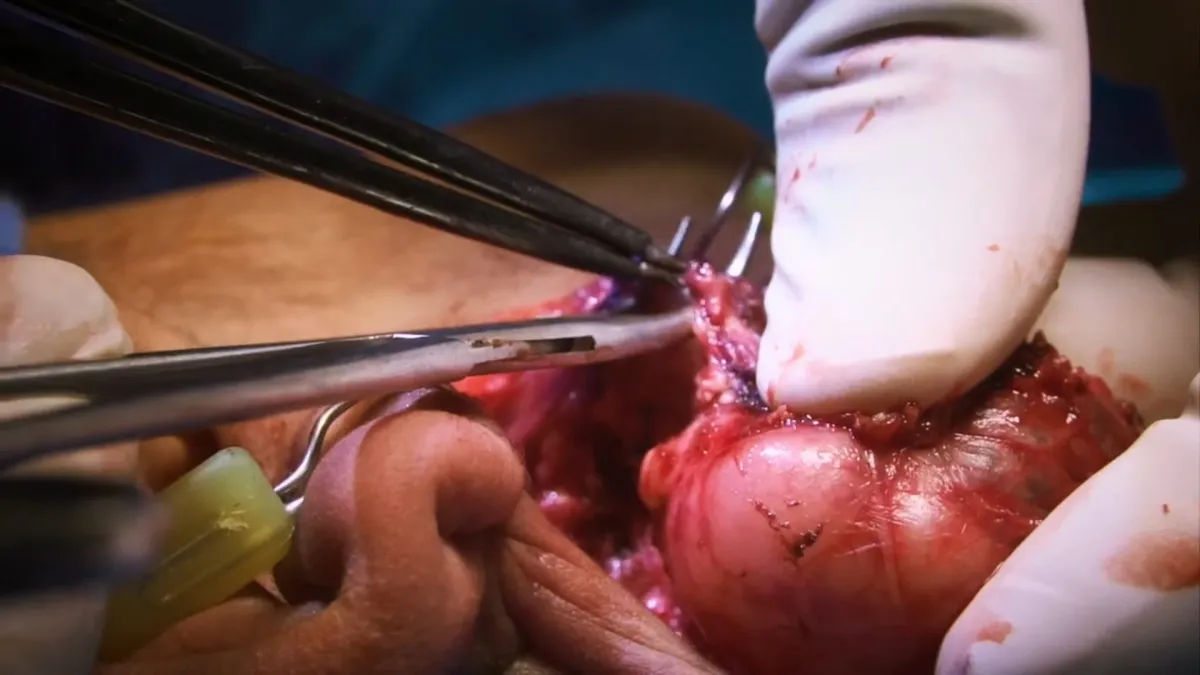
Surgery Is the Standard Treatment
Clinical studies and guidelines consistently show that parotidectomy is the primary treatment for both benign and malignant parotid tumors, with emphasis on preserving the facial nerve⁰,⁶.
Preventing Growth and Complications
Even benign tumors can continue to grow over time, distort facial appearance, and compress nearby structures. Left untreated, they may become more difficult to remove.
Risk of Malignant Transformation
Certain benign tumors, especially pleomorphic adenomas, carry a small but real risk of transforming into malignant tumors over time. Incomplete or delayed treatment can increase this risk¹.
Ensuring Complete Diagnosis
While imaging and biopsy provide valuable information, definitive diagnosis often requires surgical removal and pathological examination.
Indications
When Surgery Is Absolutely Necessary
Malignant Tumors
If a parotid tumor is cancerous, surgery is almost always required. Treatment typically includes tumor removal, possible removal of surrounding tissue, and additional therapies such as radiation⁶,³.
Tumors Affecting the Facial Nerve
Symptoms such as facial weakness, paralysis, or numbness are strong indicators of nerve involvement and possible malignancy. These cases require urgent surgical evaluation¹².
Rapidly Growing or Symptomatic Tumors
Tumors that grow quickly, cause pain, or affect function are more likely to require surgical intervention.
Strongly Recommended
When Surgery Is Strongly Recommended (Even If Benign)

Pleomorphic Adenoma
The most common benign parotid tumor. Surgery is recommended due to continued growth, risk of recurrence if untreated, and potential for malignant transformation¹.
Warthin Tumor (Selective Cases)
Some may be monitored, but surgery is often recommended if the tumor is growing, symptoms are present, or diagnosis is uncertain.
Uncertain Diagnosis
If imaging and biopsy cannot definitively determine whether a tumor is benign or malignant, surgery is typically recommended for definitive diagnosis.
Observation
Are There Cases Where Surgery May Not Be Required?
Although surgery is the standard approach, there are select situations where it may be avoided or delayed.
Small, Asymptomatic Benign Tumors
Small tumors with no growth and no symptoms may be monitored with regular follow-up. However, this requires close observation.
High-Risk Surgical Candidates
Patients with significant medical conditions may not be ideal candidates. Observation or non-surgical management may be considered.
Confirmed Benign Tumors in Older Patients
In older patients with slow-growing tumors and no symptoms, observation may be appropriate, but must be individualized.
Risks of Delay
Risks of Not Removing a Parotid Tumor
- Tumor Growth: Even benign tumors typically continue to grow, making future surgery more complex
- Increased Surgical Difficulty: Larger tumors are harder to remove and increase risk to the facial nerve
- Recurrence Risk: Incomplete or delayed treatment may increase recurrence rates¹
- Malignant Transformation: Some benign tumors can become cancerous if left untreated
Procedures
Surgical Options for Parotid Tumors
Superficial Parotidectomy
Removes the outer portion of the gland. Common for benign tumors.
Total Parotidectomy
Removes the entire gland. Used for larger or deeper tumors.
Extracapsular Dissection
A less invasive technique that removes small benign-appearing parotid tumors without full facial nerve dissection, reducing complications while maintaining tumor control in selected cases⁵.
Risks
Risks of Parotid Surgery
While surgery is generally safe, potential risks include:
- Temporary facial weakness
- Permanent nerve injury (rare)
- Frey's syndrome (sweating while eating)
- Numbness
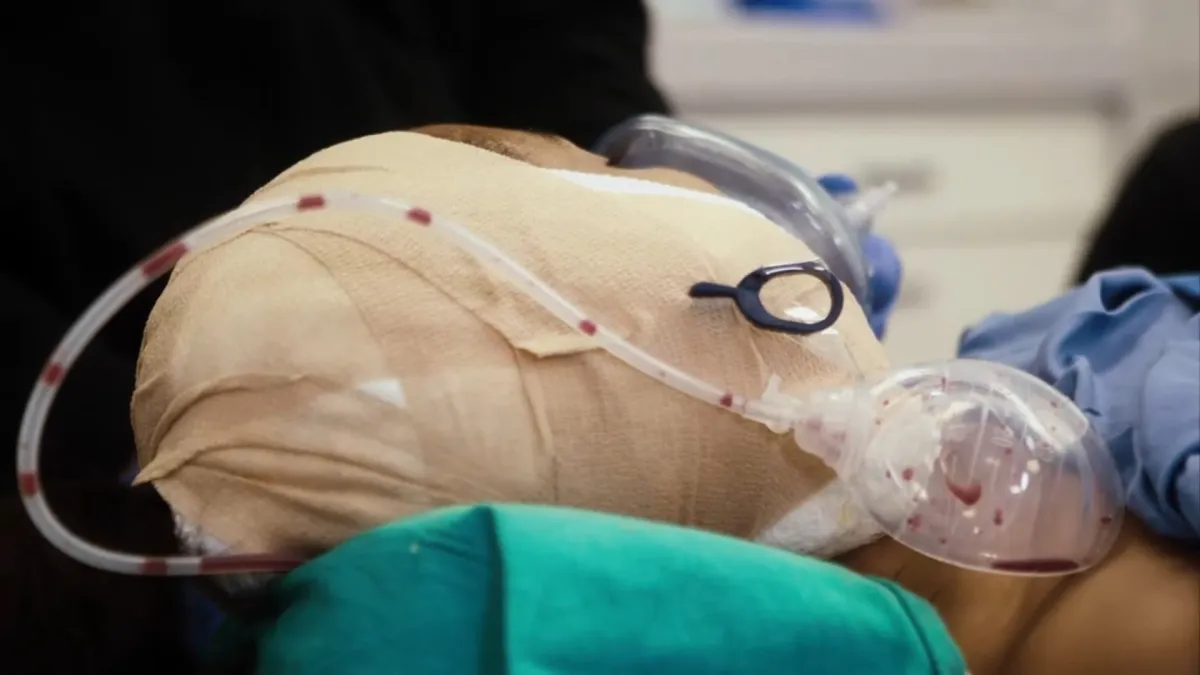
Modern techniques, including facial nerve monitoring, have significantly reduced complication rates.
Specialist Care
The Role of Specialist Care
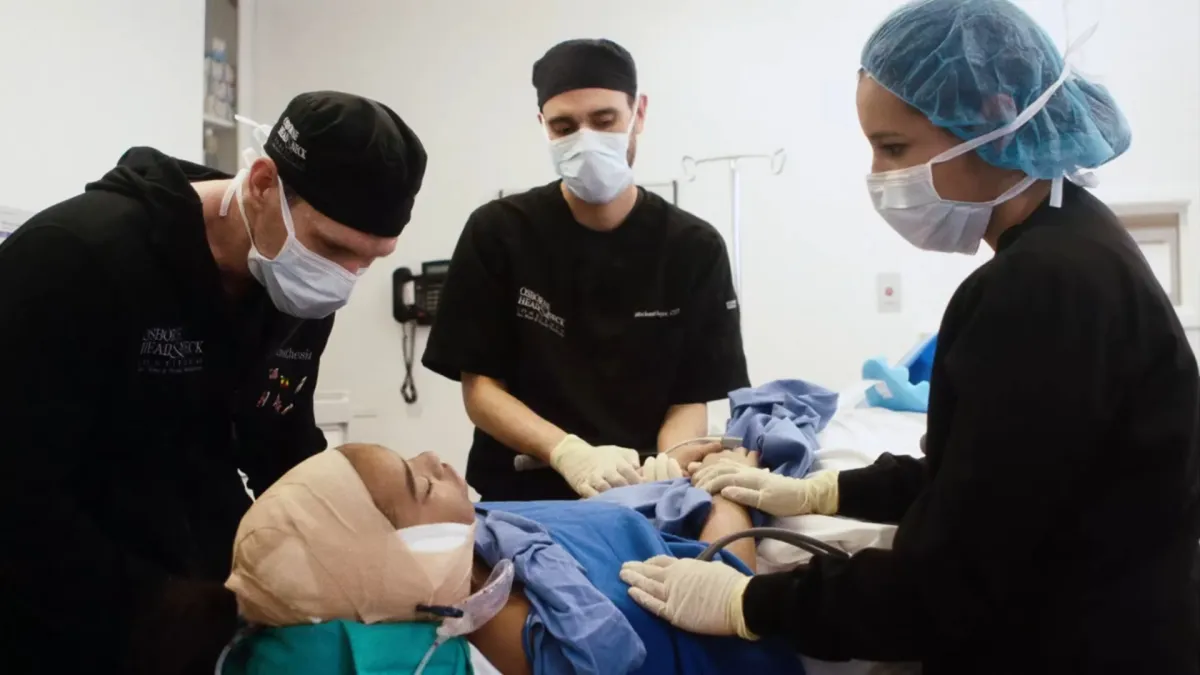
Parotid surgery is highly specialized. Outcomes depend heavily on surgeon experience, surgical technique, and tumor characteristics.
Choosing an experienced parotid surgeon is critical for preserving facial nerve function, achieving complete tumor removal, and minimizing complications.
Modern Surgery
Advances in Surgical Technique
Surgical management of parotid tumors has evolved significantly. Modern approaches include:
- Osborne incision parotidectomy
- Extracapsular dissection (in select benign cases)
- Advanced nerve monitoring
These techniques aim to reduce morbidity, preserve function, and improve cosmetic outcomes. Parotidectomy is a well-established procedure, and like all surgery it carries risks, including facial nerve function, cosmetic outcomes and recovery time.
Not All Parotid Tumors Need Surgery
While not every parotid tumor requires immediate surgery, the majority do benefit from surgical removal. The goal is not only to eliminate the tumor but also to preserve facial function and prevent future complications.
Early evaluation, accurate diagnosis, and expert surgical care are essential for achieving the best outcomes. If you have been diagnosed with a parotid tumor, consulting a specialist is the most important step in determining the right treatment plan.
References
- Surgical management of benign parotid tumors and recurrence risk. Frontiers in Surgery.
- Prospective clinical study of parotid tumors and treatment outcomes. PMC.
- Overview of parotidectomy indications and malignant tumor management. ScienceDirect.
- Diagnostic and treatment guidelines for parotid tumors. Mayo Clinic.
- Comparative outcomes of selective vs total parotidectomy. JAMA Network.
- Epidemiology and clinical presentation of salivary gland tumors. Wikipedia.
- Diagnostic imaging and evaluation of parotid tumors. Spandidos Publications.
Patient Education
Frequently Asked Questions
Most do. Surgery is the standard treatment for both benign and malignant tumors, although select cases may be monitored.
In some cases, yes, but most benign tumors are removed due to growth and recurrence risks.
The tumor may grow, become more difficult to treat, and in rare cases, become cancerous.
Not always. Some can be observed, but surgery is often recommended depending on symptoms and growth.
The decision is based on tumor type, size, growth rate, symptoms, and patient health.
Why Choose OHNI
Not Big Medicine | Personalized, Global Expertise
Many patients assume the best care is found at large, well-known institutions. While these centers offer excellent care, they often operate within standardized systems shaped by regional training models.
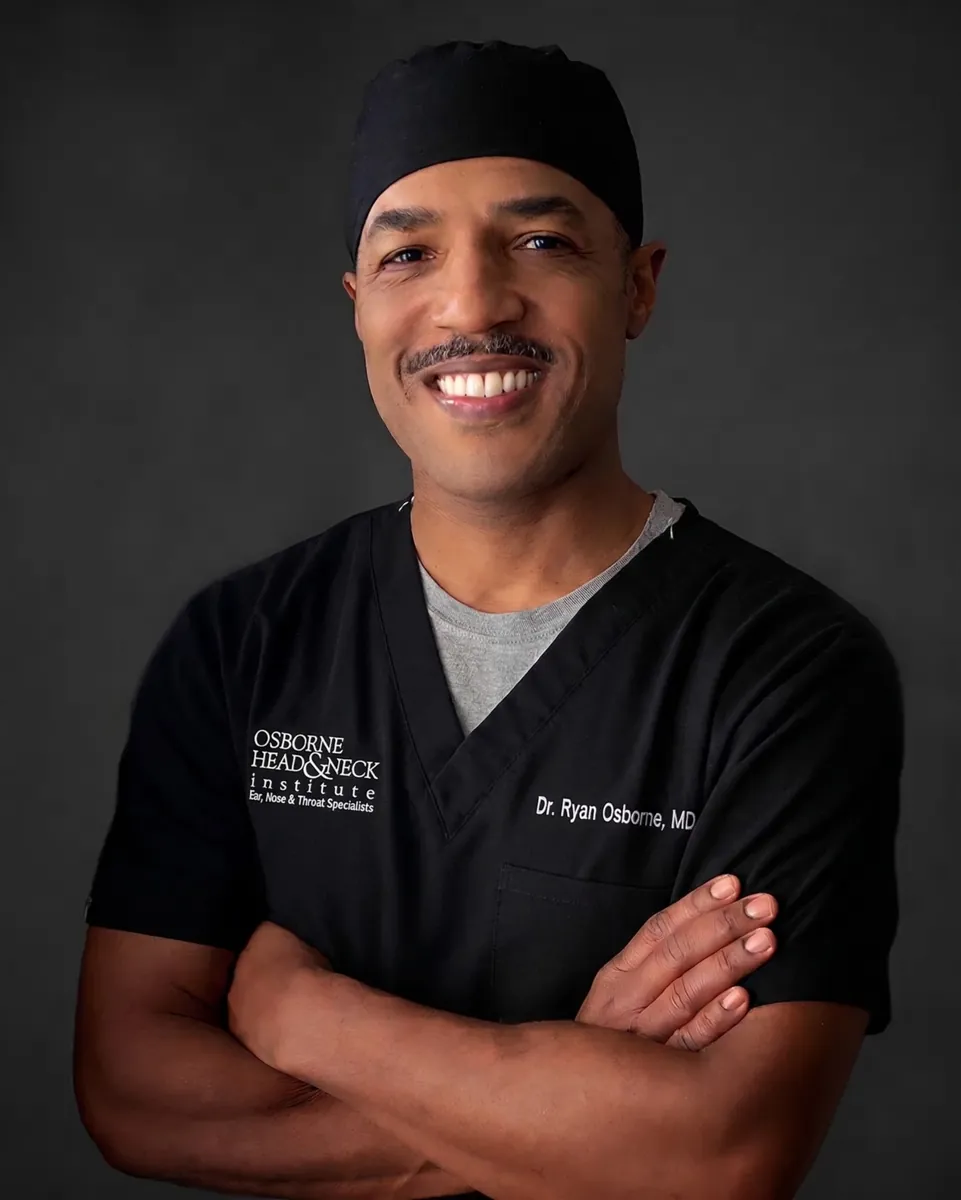
At OHNI, Dr. Ryan Osborne offers something fundamentally different: a truly global perspective combined with highly personalized surgical care with experience across five continents, tailoring each procedure to the individual patient, not the system.
Global Perspective
Experience across five continents, applying diverse surgical philosophies and techniques beyond standard U.S. training.
Precision & Preservation
Specialized techniques like Extra-Capsular Dissection designed to minimize invasiveness while protecting the facial nerve.
Patient-First Care
Direct surgeon access, individualized treatment planning, and a focus on both medical outcomes and quality of life.
Proven Outcomes
Patients consistently highlight clear communication, confident surgical decisions, and excellent functional results.
Expert Parotid Tumor Evaluation
Whether addressing benign or malignant tumors, the goal remains consistent: effective treatment with preservation of function, appearance, and quality of life.
Become a Patient
Contact the Osborne Head & Neck Institute for expert evaluation and surgical planning.