Osborne Head & Neck Institute | Los Angeles
Salivary Gland Disease and Conditions
Anatomy, Function, Diagnosis & Treatment
Ryan F. Osborne, MD | Fellowship-Trained Head & Neck Surgical Oncologist
Medically Reviewed By: OHNI Clinical Staff · Last Updated: November 3, 2026
Anatomy & Function
Overview of Salivary Glands
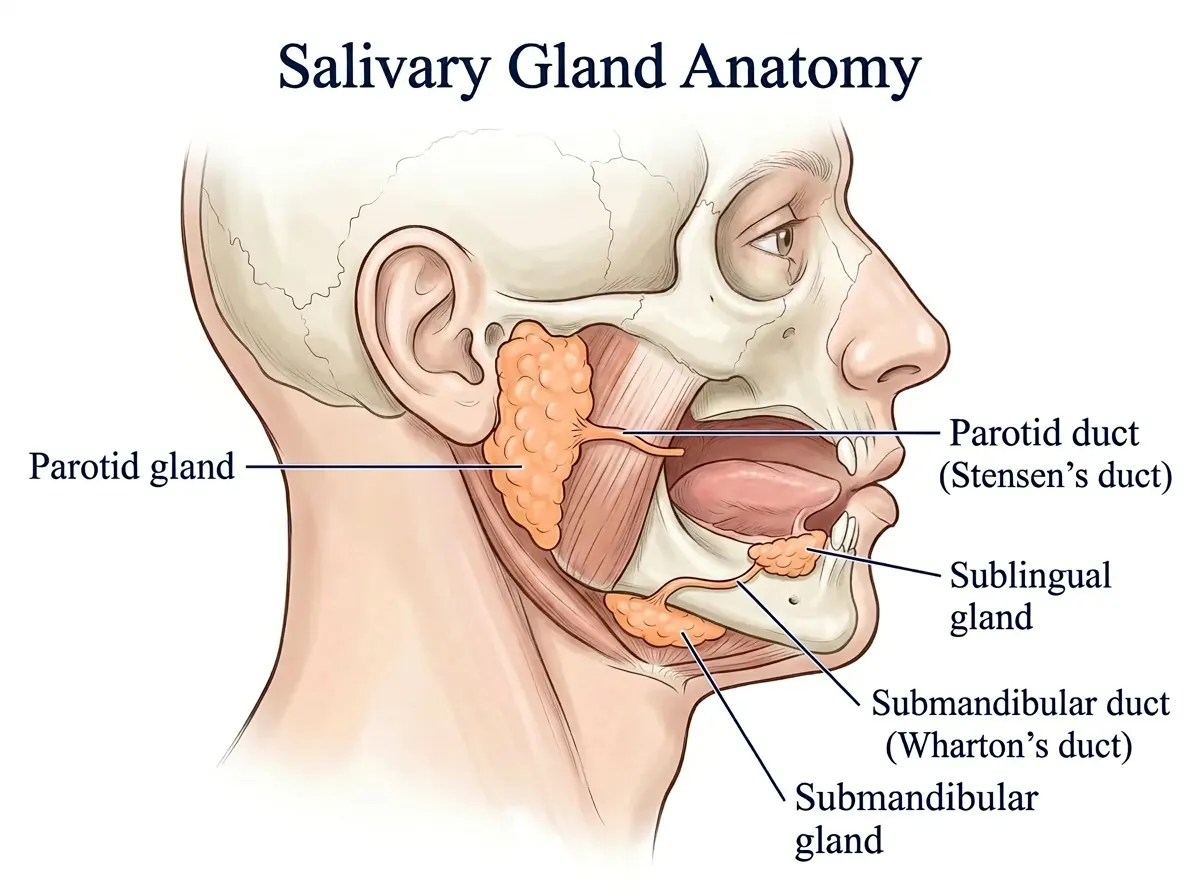
The salivary system consists of three paired major glands, plus hundreds of minor glands distributed throughout the oral mucosa.
Parotid Glands
The largest salivary glands, located anterior to the ear and traversed by the facial nerve.
Produce serous (watery) saliva during meals
Submandibular Glands
Located beneath the jaw, responsible for the majority of resting saliva production.
Mixed serous and mucous secretion
Sublingual Glands
Smaller glands situated beneath the tongue, contributing to mucosal lubrication.
Primarily mucous secretion
Salivary Function
Saliva plays a critical role in oral and systemic health:
Disruption of salivary flow can significantly impact quality of life, leading to dry mouth, infection, and difficulty swallowing.
Conditions We Treat
Salivary Gland Conditions
Advanced evaluation and treatment for the full spectrum of salivary gland disorders.
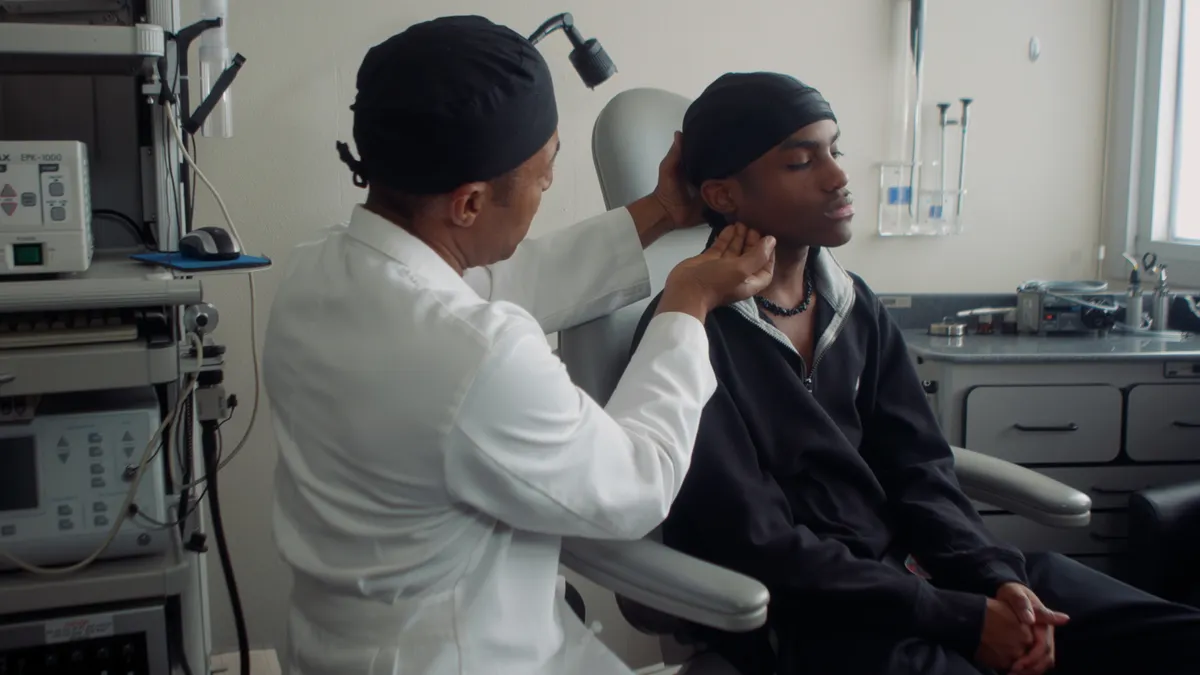
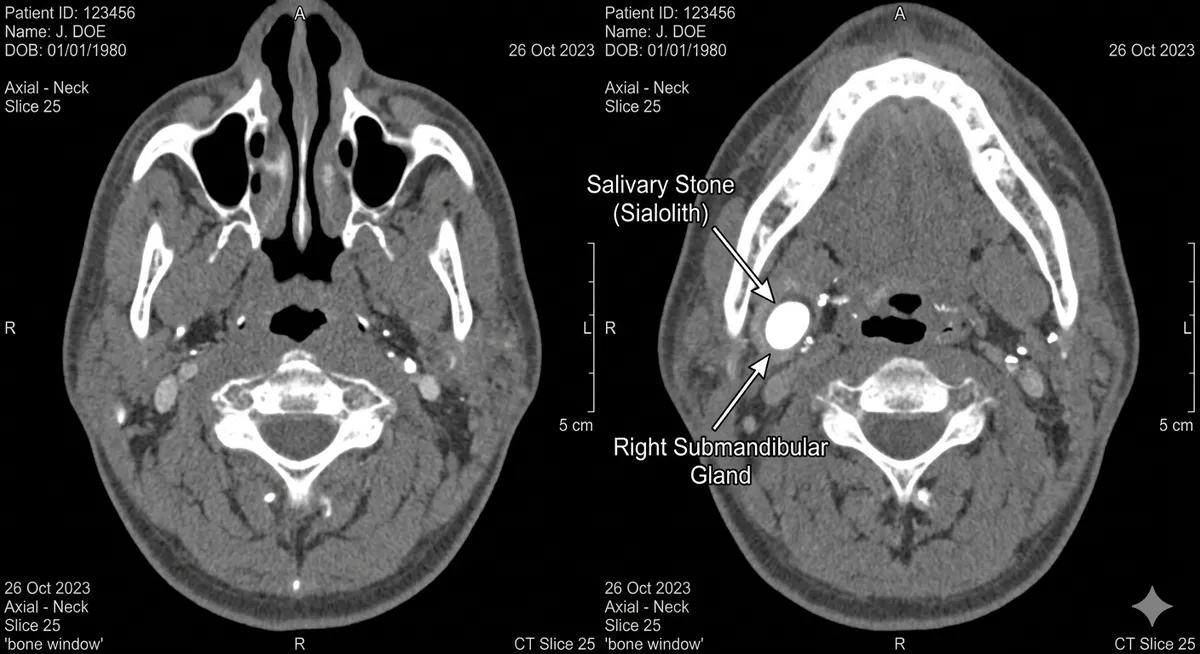


Our Approach
Treatment Philosophies
Management strategies must balance disease control with preservation of gland function and protection of adjacent critical structures, particularly the facial nerve.
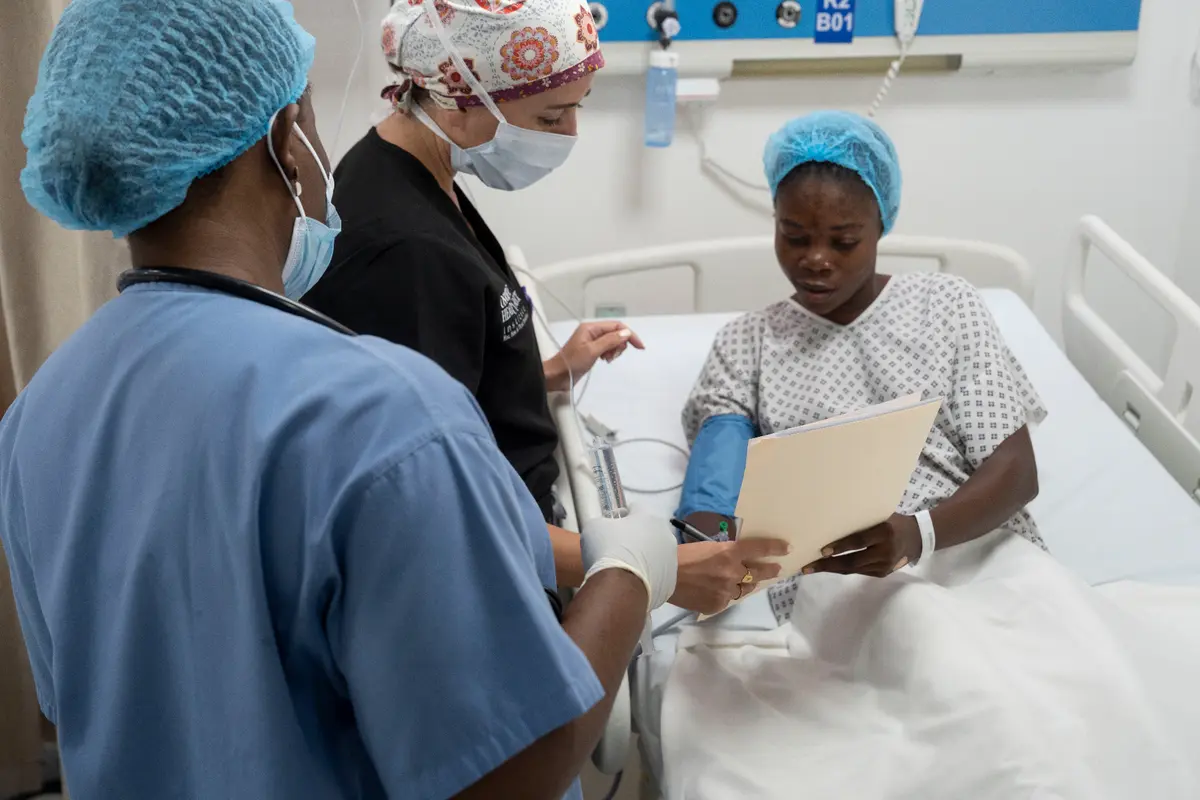
If surgery is recommended, Parotidectomy Recovery explains what to expect afterward, and Parotid Surgery Risks covers possible complications.
Preservation of Function
Treatment strategies prioritize preservation of salivary gland function to prevent chronic dry mouth and dental disease.
Facial Nerve Safety
Advanced surgical techniques and intraoperative monitoring ensure protection of the facial nerve during parotid surgery.
Minimally Invasive
Sialendoscopy and limited incision approaches reduce morbidity while maintaining therapeutic effectiveness.
Individualized Care
Management decisions consider disease type, patient anatomy, and functional priorities for each case.
Don't Wait
When to Seek Specialist Evaluation
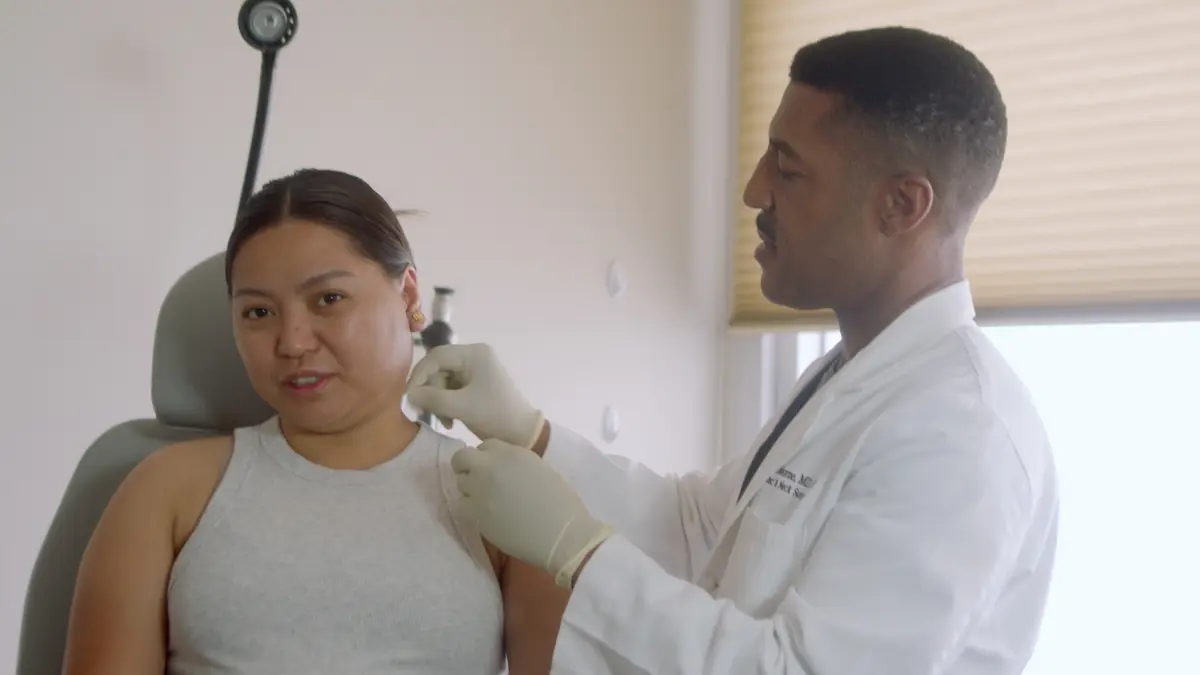
Persistent symptoms involving the salivary glands should not be overlooked. Early evaluation improves diagnostic accuracy and expands available treatment options.
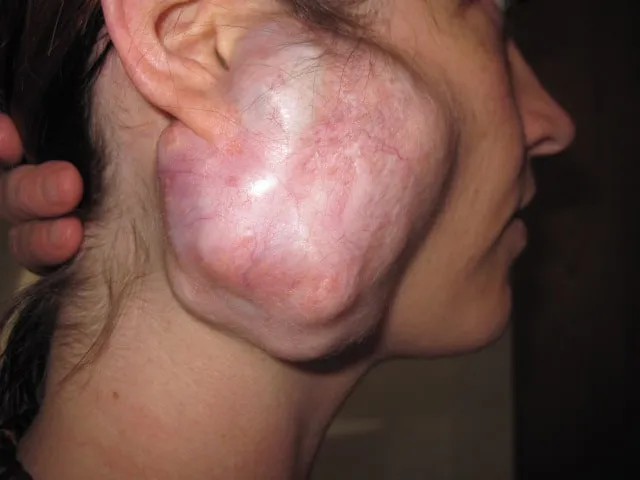
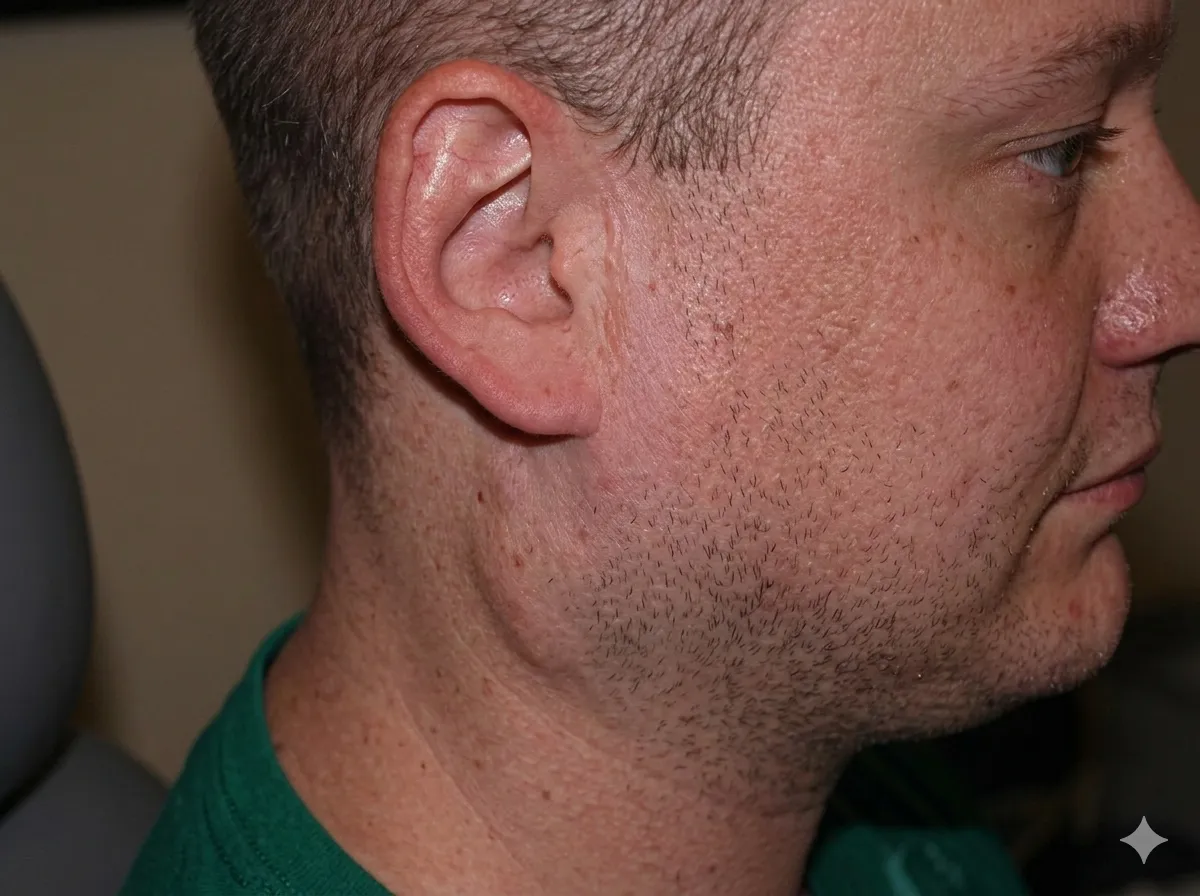
A persistent lump near the jaw or ear
Recurrent swelling with meals
Chronic dry mouth
Facial weakness or asymmetry
PATIENT EDUCATION
Salivary Gland Disease FAQs
The most common types include salivary gland stones (sialolithiasis), parotid tumors, parotitis (gland inflammation), and obstructive disorders that block normal saliva flow.
Causes vary by condition and can include dehydration, autoimmune disease, infection, trauma, duct obstruction from stones, or abnormal cell growth leading to tumors.
No. The majority of salivary gland tumors are benign. However, all masses should be evaluated by a specialist, as a small percentage are malignant.
You should seek evaluation if you have a persistent lump near the jaw or ear, swelling during meals, recurrent infections, facial weakness, or unexplained dry mouth.
Yes. Many conditions, particularly duct obstruction and stones, can be treated with minimally invasive techniques like sialendoscopy. Surgery is reserved for tumors and complex cases.
Why Choose OHNI
Not Big Medicine | Personalized, Global Expertise
Many patients assume the best care is found at large, well-known institutions. While these centers offer excellent care, they often operate within standardized systems shaped by regional training models.
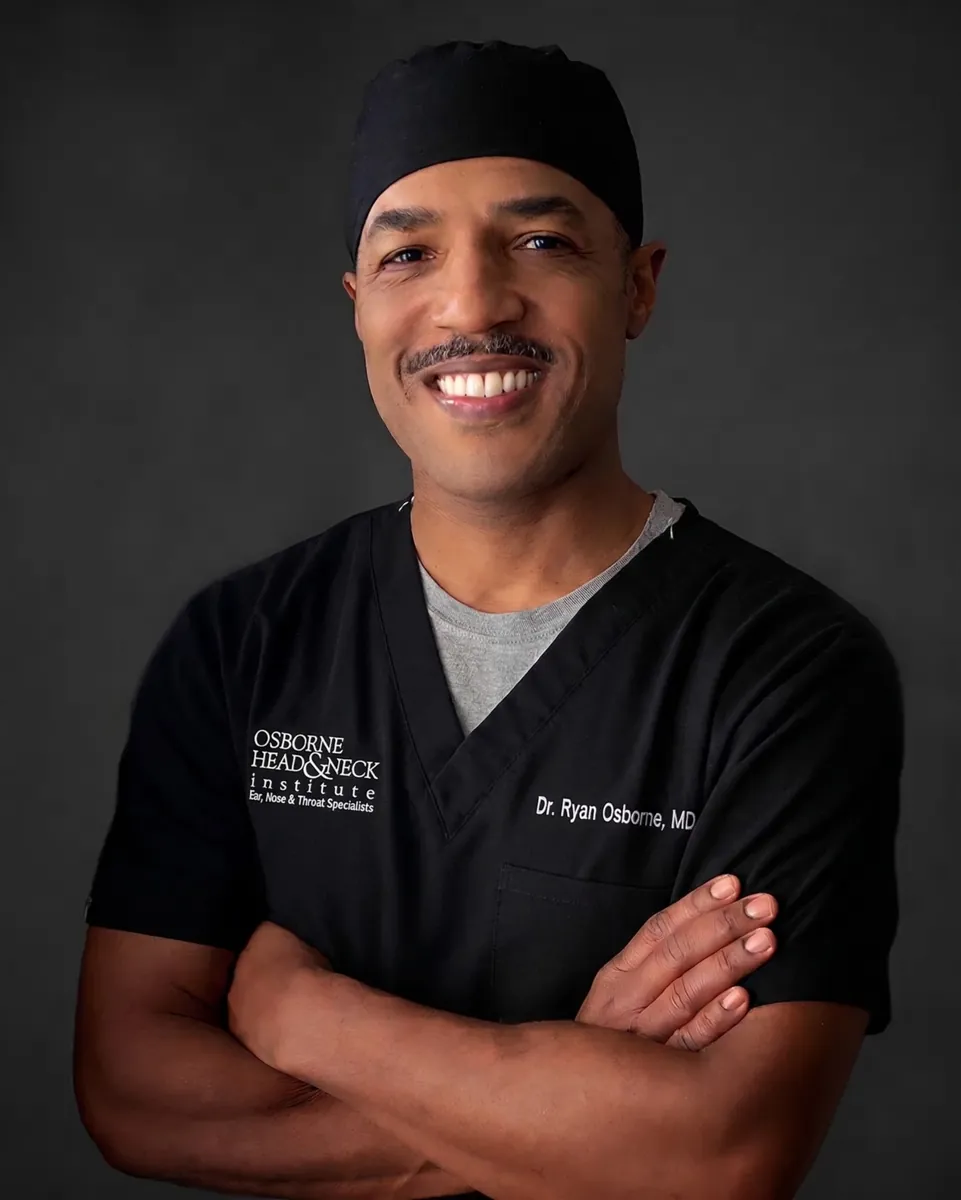
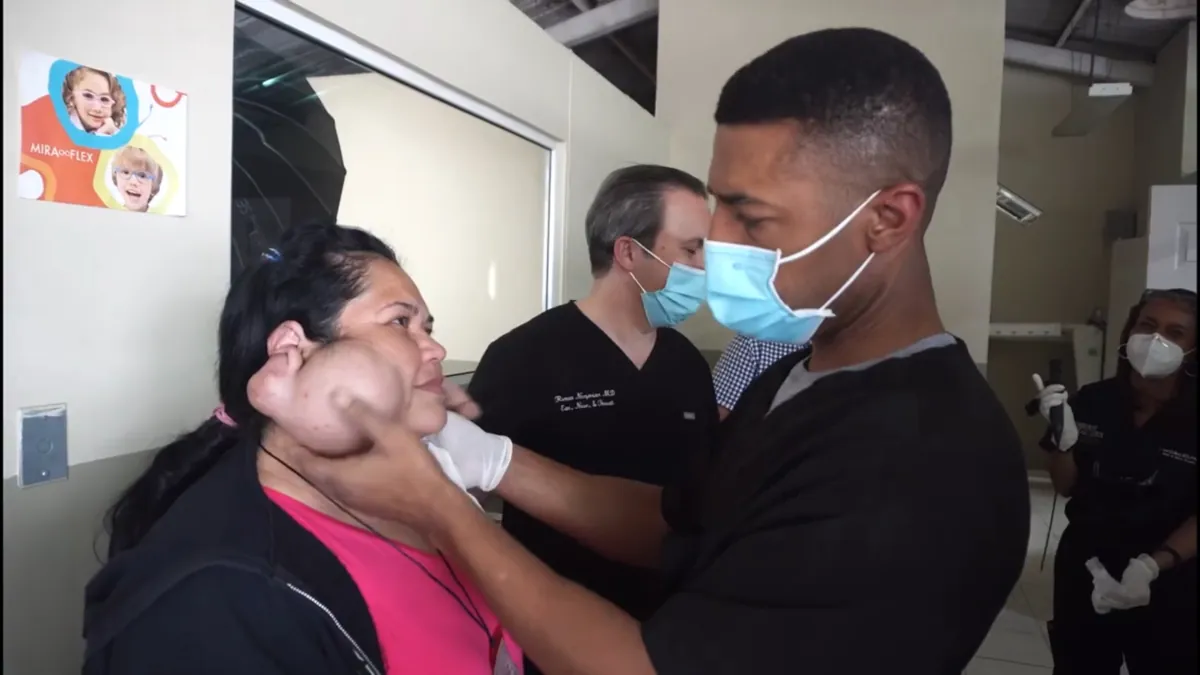
At OHNI, Dr. Ryan Osborne offers something fundamentally different: a truly global perspective combined with highly personalized surgical care with experience across five continents, tailoring each procedure to the individual patient, not the system.
Global Perspective
Experience across five continents, applying diverse surgical philosophies and techniques beyond standard U.S. training.
Precision & Preservation
Specialized techniques like Extra-Capsular Dissection designed to minimize invasiveness while protecting the facial nerve.
Patient-First Care
Direct surgeon access, individualized treatment planning, and a focus on both medical outcomes and quality of life.
Proven Outcomes
Patients consistently highlight clear communication, confident surgical decisions, and excellent functional results.
Expert Care for Salivary Gland Disease
Salivary gland diseases encompass a diverse group of conditions requiring specialized expertise. Through comprehensive evaluation and advanced treatment strategies, the majority of salivary gland disorders can be effectively managed with excellent outcomes.
Become a Patient
If you or a loved one is experiencing salivary gland symptoms, contact the Osborne Head & Neck Institute for expert evaluation.