Osborne Head & Neck Institute | Los Angeles
Recurrent Parotid Tumors
Revision Surgery & Facial Nerve Preservation
Ryan F. Osborne, MD | Fellowship-Trained Head & Neck Surgical Oncologist
Medically Reviewed By: OHNI Clinical Staff · Last Updated: November 3, 2026
Increased Complexity
Recurrent Parotid Tumors Are More Difficult to Treat
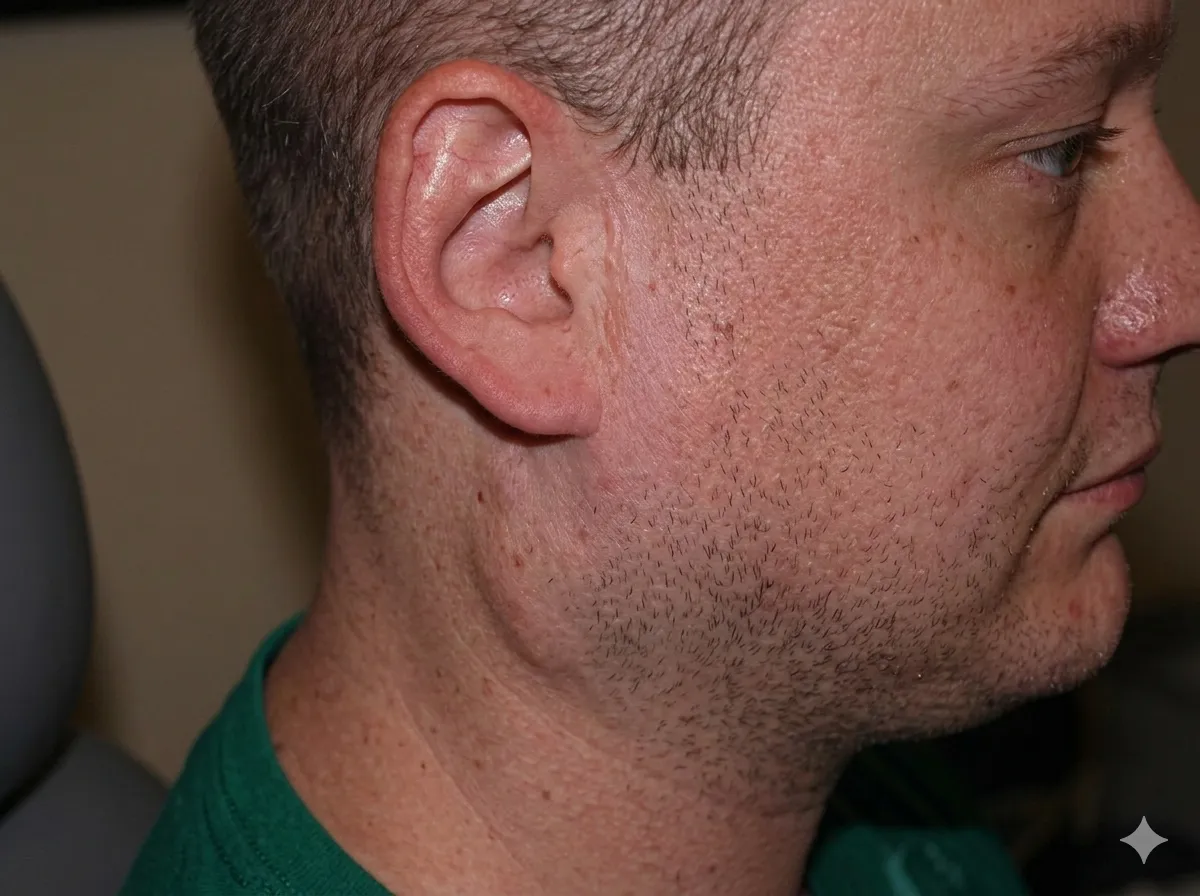
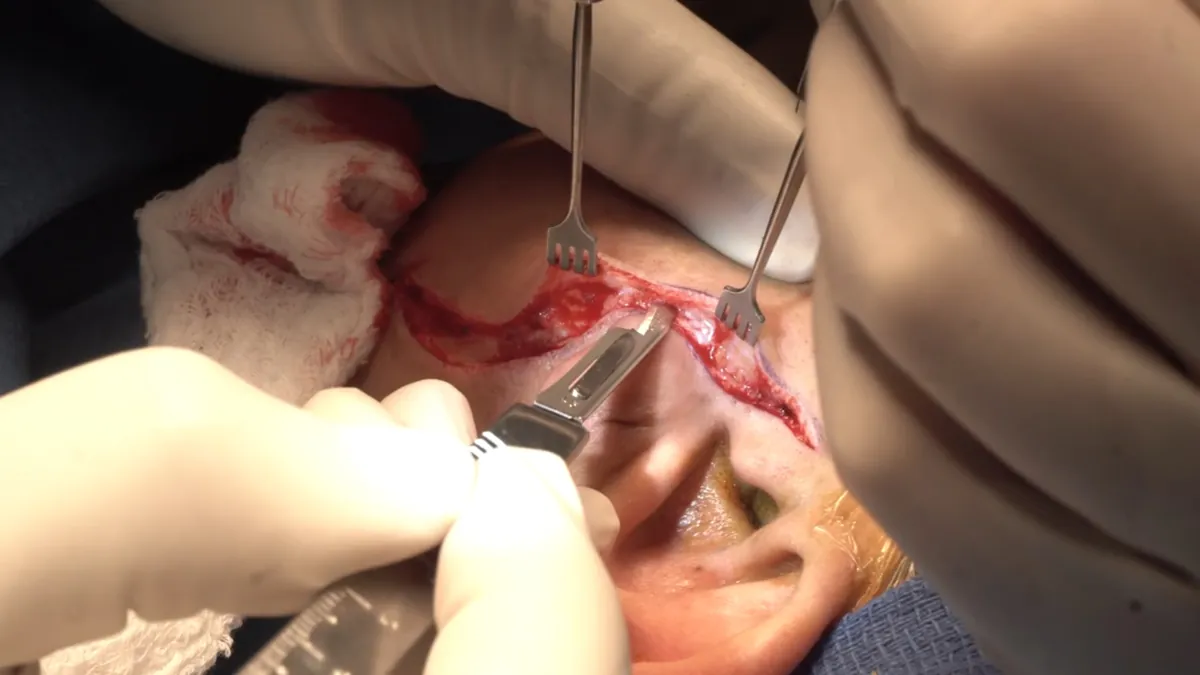
A recurrent parotid tumor is a tumor that grows back in the parotid area after earlier surgery, most often a pleomorphic adenoma. A recurrent parotid tumor is not simply the same operation repeated. Each revision surgery presents a new anatomical challenge. After the first surgery, scar tissue may tether tissues together, distort planes of dissection, and make the facial nerve harder to identify safely.
- Scar tissue makes tissues firmer and less distinct
- Multiple recurrent nodules require broader, more meticulous dissection
- Normal visual and tactile cues become less reliable
- White scar tissue, residual gland tissue, and facial nerve branches can be difficult to distinguish
Can parotid tumors come back?
Recurrence Patterns
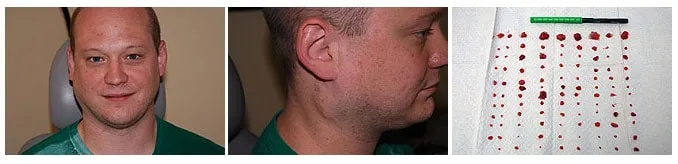
Recurrent Pleomorphic (Benign) Parotid Tumors
When a benign parotid tumor recurs, treatment must be chosen carefully. The pattern of recurrence directly affects surgical planning and risk.
Solitary Recurrent Tumor
A solitary recurrence may be more localized, but revision surgery can still be challenging because tissue planes have already been altered by prior treatment.
Multiple Recurrent Tumors
Multifocal recurrence is among the most technically demanding forms of benign parotid disease, with numerous nodules spread through scarred tissue planes.
Technical Considerations
Surgical Challenges of Recurrent Parotid Tumors
Revision surgery is difficult for structural, visual, and tactile reasons.
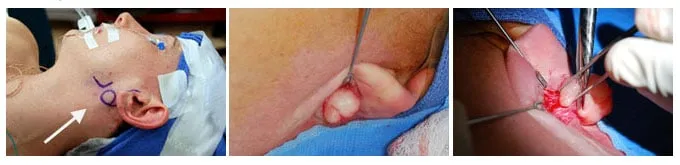
Scar Tissue After Prior Surgery
Every operation creates scar tissue. In the parotid bed, this makes tissue firmer and less pliable, obscuring critical structures and slowing safe dissection.
Multifocal Recurrence
Recurrence may involve multiple separate tumors scattered through the gland, scar bed, or surrounding tissue, substantially increasing the amount of dissection required.
Distinguishing Tumor, Scar & Nerve
Scar tissue can feel firm like a tumor, and visually, scar tissue, recurrent tumor, and facial nerve branches may all appear pale or white. Safe surgery depends on meticulous technique.
Treatment Approach
Treatment Philosophy for Recurrent Benign Parotid Tumors
There is no universal "standard" treatment that applies equally to all recurrent benign parotid tumors. The appropriate plan should be customized after reviewing pathology, imaging, symptoms, prior operative history, and the patient's goals.
Treatment is not only about removing disease. It is also about understanding what can be achieved safely, what risks are acceptable, and how to protect long-term quality of life.
Key Factors That Must Be Considered
- The patient's goals and preferences
- Age and long-term priorities
- Size and pattern of the recurrence
- Number of prior surgeries
- Whether the recurrence is solitary or multifocal
- Whether facial nerve function is normal or already weak
- Whether facial nerve sacrifice is being considered
- Exact location and time interval since prior treatment
Preoperative Workup
Evaluation of Recurrent Parotid Tumors
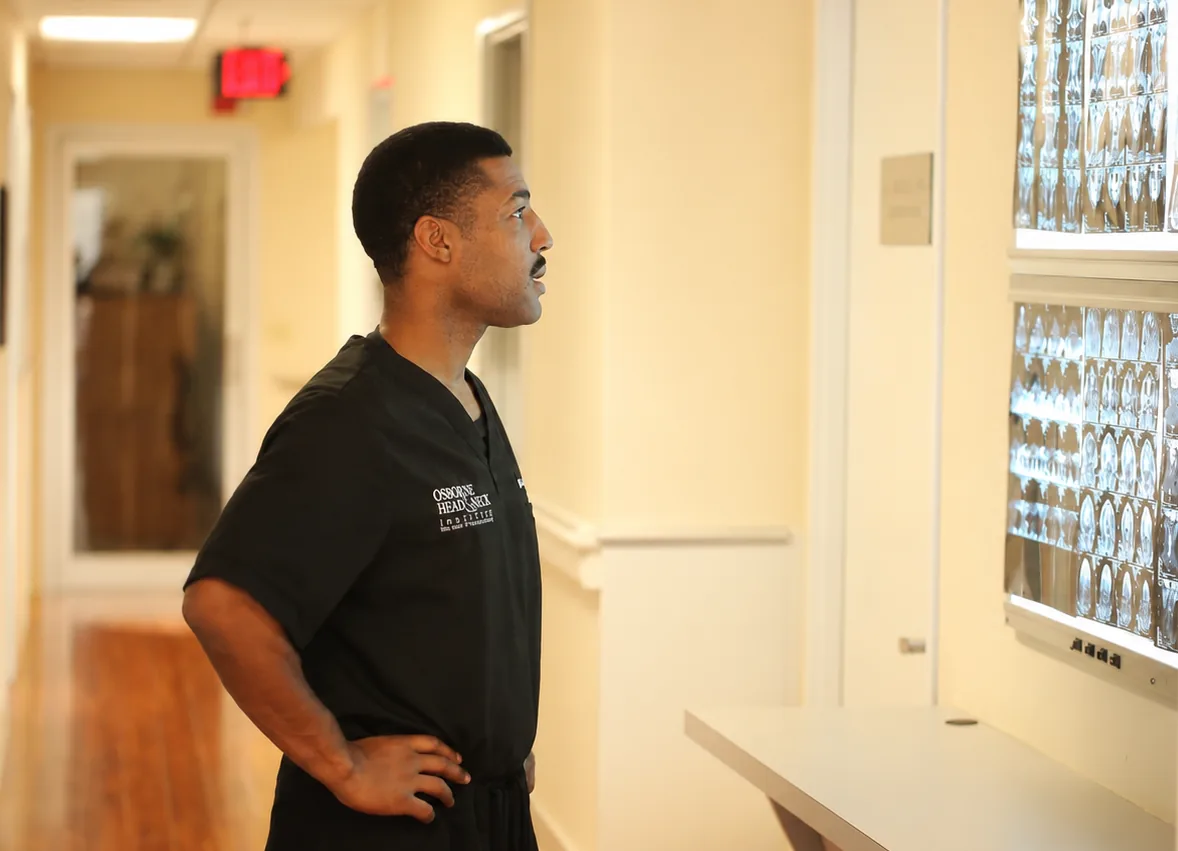
A careful workup is essential before proceeding with revision surgery, including review of prior operative reports, pathology records, and high-quality MRI imaging.
Critical Preoperative Questions
- Is the recurrence solitary or multifocal?
- Is disease confined to the superficial bed or extends deeper?
- What is the relationship to the facial nerve?
- Has the patient undergone prior radiation or reconstruction?
- What degree of deformity exists from earlier surgery?
Nerve Safety
Facial Nerve Preservation in Revision Surgery
Facial nerve preservation is one of the central concerns in recurrent parotid tumor surgery. The risk profile is inherently higher because scar tissue may envelop or distort the nerve and recurrent tumor nodules may be closely associated with its branches.
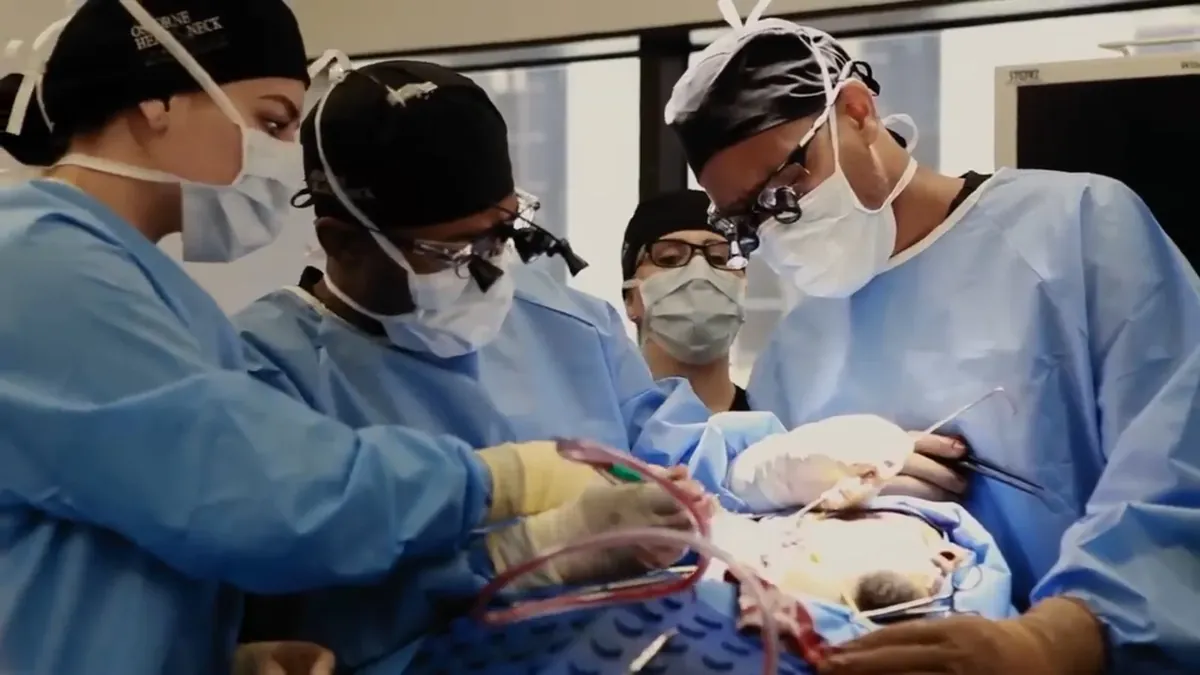
Revision surgery should be approached with careful nerve mapping, meticulous dissection, and intraoperative facial nerve monitoring when appropriate. Even in difficult cases, thoughtful planning can improve the chances of maintaining function.
Aesthetic Outcomes
Cosmetic Considerations After Repeat Surgery
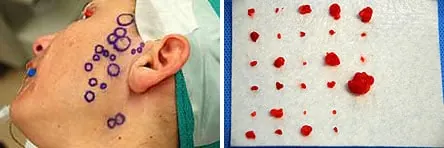
Patients with recurrent tumors are often concerned about visible facial asymmetry and contour deformity.
Revision surgery is planned with attention to both disease removal and restoration of facial contour.
Contour Restoration
Incision Planning
Reconstructive Technique
Specialist Referral
Who Should Seek Specialized Care?
Patients with recurrent parotid tumors benefit from specialty evaluation when any of the following are present.
PATIENT EDUCATION
Recurrent Parotid Tumor FAQs
Yes. Some benign parotid tumors, especially pleomorphic adenomas, can recur after prior treatment. Recurrence may appear years later and may present as a single mass or multiple nodules.
No. Many recurrent parotid tumors are still benign, particularly recurrent pleomorphic adenomas. However, every recurrence should be evaluated carefully with imaging, pathology review, and clinical examination.
Yes. Revision surgery is more complex because of scar tissue, distorted anatomy, and the possibility of multifocal disease. The risk to the facial nerve is typically higher than during an initial parotidectomy.
In many cases, yes. However, the answer depends on the location and extent of recurrent disease, prior operations, and whether the tumor is separable from the nerve.
MRI helps define the number, size, and distribution of recurrent nodules and can clarify whether disease is localized or multifocal. This information is critical for surgical planning.
Further Reading
Related Pages
Why Choose OHNI
Not Big Medicine | Personalized, Global Expertise
Many patients assume the best care is found at large, well-known institutions. While these centers offer excellent care, they often operate within standardized systems shaped by regional training models.
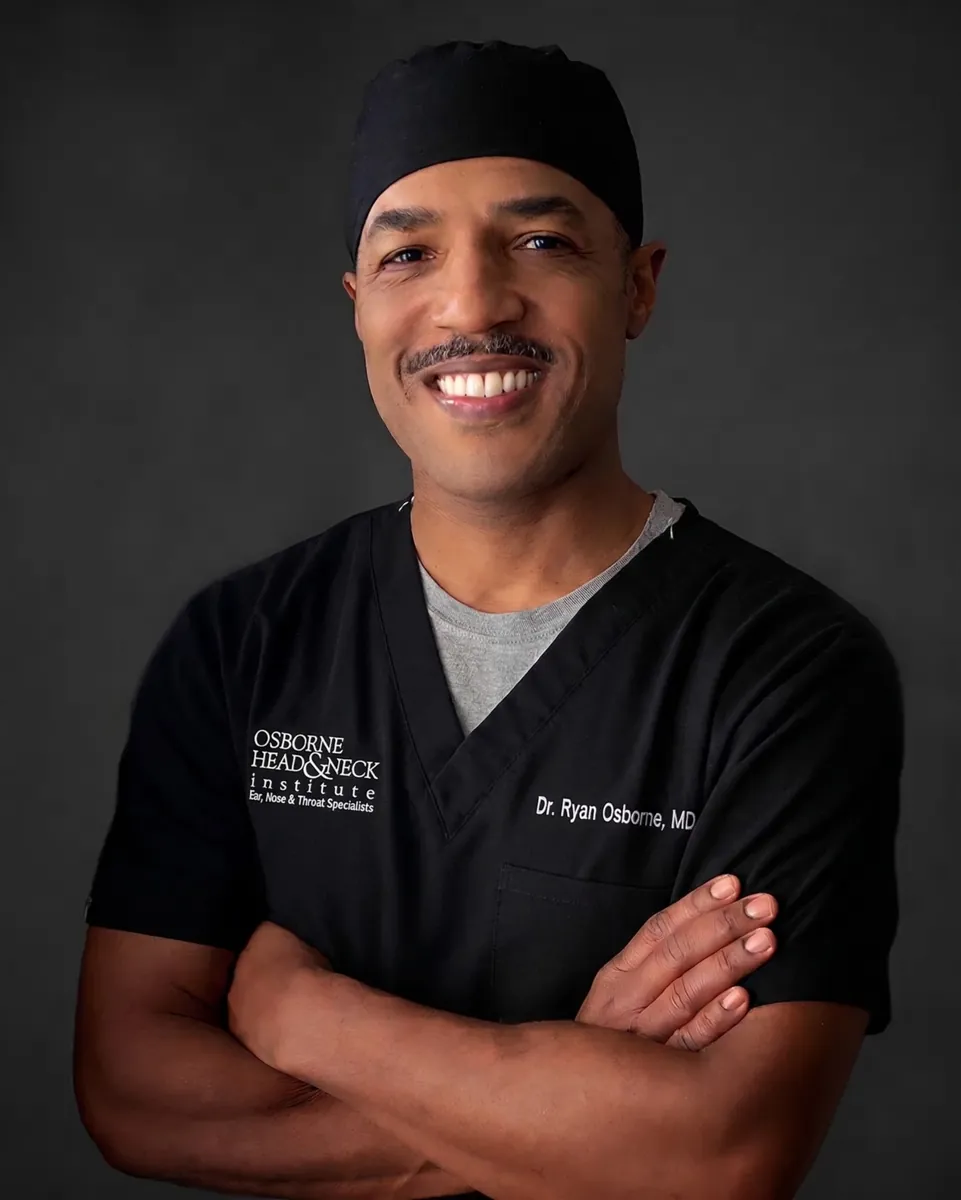
At OHNI, Dr. Ryan Osborne offers something fundamentally different: a truly global perspective combined with highly personalized surgical care with experience across five continents, tailoring each procedure to the individual patient, not the system.
Global Perspective
Experience across five continents, applying diverse surgical philosophies and techniques beyond standard U.S. training.
Precision & Preservation
Specialized techniques like Extra-Capsular Dissection designed to minimize invasiveness while protecting the facial nerve.
Patient-First Care
Direct surgeon access, individualized treatment planning, and a focus on both medical outcomes and quality of life.
Proven Outcomes
Patients consistently highlight clear communication, confident surgical decisions, and excellent functional results.
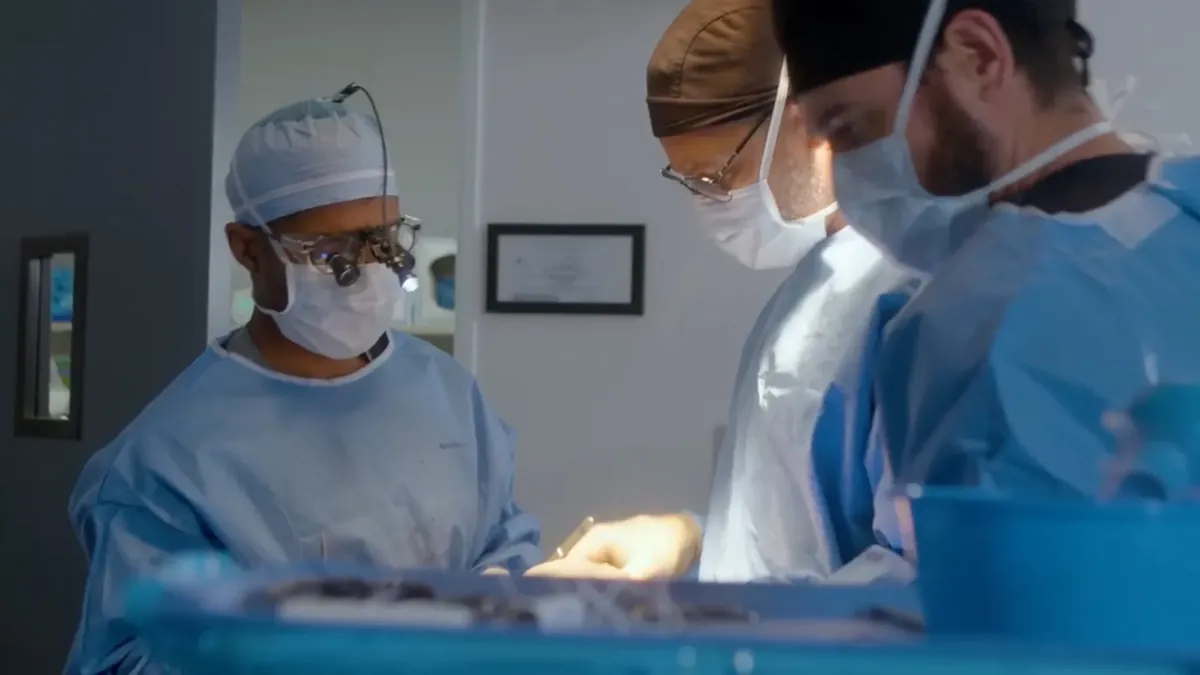
Expert Care for Recurrent Parotid Tumors
Revision parotid surgery is a narrow subspecialty problem. Experience with recurrent disease, facial nerve preservation, and salivary gland reconstruction is especially important in these cases.
Become a Patient
Contact the Osborne Head & Neck Institute for expert evaluation and surgical planning.