Osborne Head & Neck Institute | Los Angeles
Parotid Surgery Risks
Facial Nerve Safety, Complications & What Patients Should Know
Ryan F. Osborne, MD | Fellowship-Trained Head & Neck Surgical Oncologist
Medically Reviewed By: OHNI Clinical Staff · Last Updated: November 3, 2026
Risk Assessment
Overview of Parotid Surgery Risks
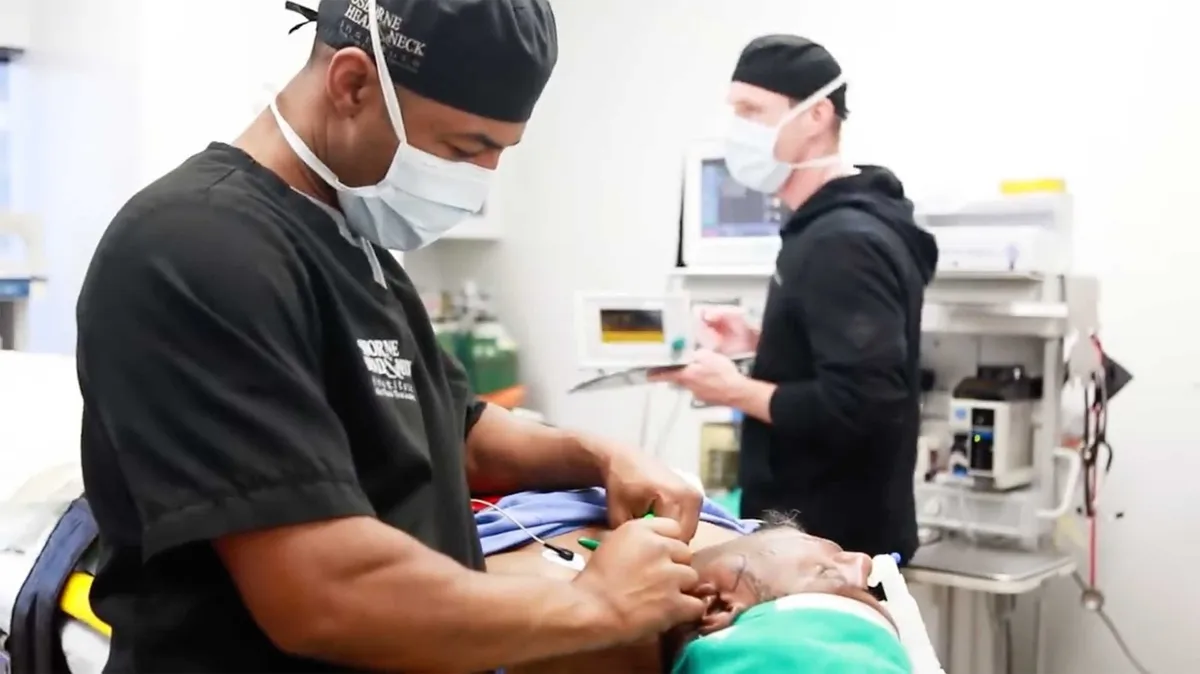
The degree of risk depends on several factors. Patients with complex or recurrent disease may have a higher risk profile and benefit most from specialized care.
Primary Concern
Facial Nerve Weakness or Paralysis
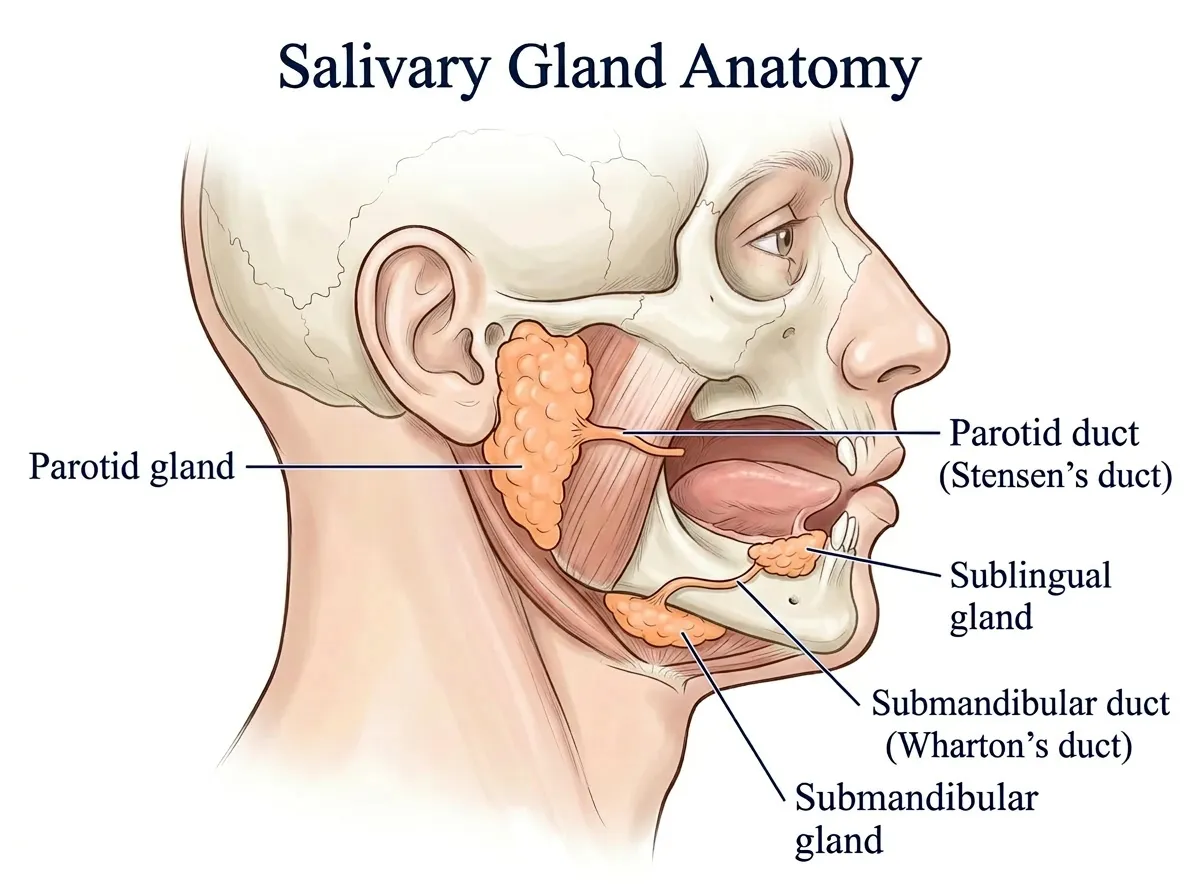
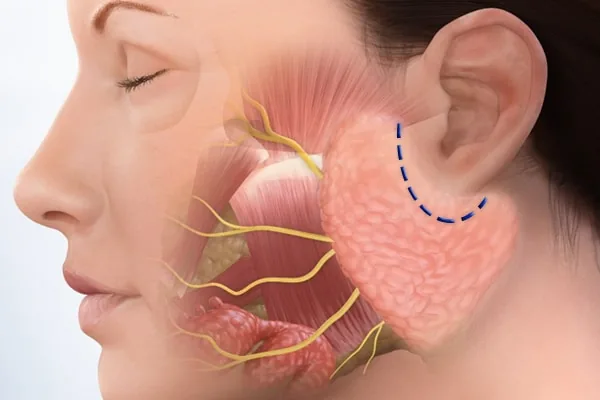
The facial nerve controls movement of the face and runs directly through the parotid gland. This is the most common patient concern.
Types of Facial Nerve Effects
Temporary Weakness
Often temporary paralysis results from nerve manipulation and will typically begin to resolve in 90 days
Permanent Weakness
Rare, but permanent paralysis comes from transection of the facial nerve or tumor invasion of the nerve
Risk Reduction Strategies
Postoperative Concerns
Frey's Syndrome & Cosmetic Changes
Modern reconstructive techniques can significantly reduce the risk of these common postoperative concerns.
Frey's Syndrome (Gustatory Sweating)
Sweating or flushing in the cheek area while eating, caused by aberrant nerve regeneration. Modern tissue barrier placement during surgery can significantly reduce risk.
Contour Deformity
Removal of parotid tissue may result in a visible depression in the cheek or jawline. Volume restoration techniques, fat grafting, and strategic incision placement can address this.
Additional Risks
Salivary Complications, Infection & Bleeding
These risks are generally low and minimized through standard surgical protocols.
Salivary Fistula or Leak
In rare cases, saliva may leak from the surgical site during healing. Typically temporary and managed conservatively.
Dry Mouth (Uncommon)
Significant long-term dry mouth is uncommon after unilateral parotid surgery due to compensation from remaining glands.
Infection & Bleeding
A small risk of infection or hematoma formation exists with any surgical procedure, minimized through standard protocols.
Complex Cases
Risk in Complex & Revision Surgery
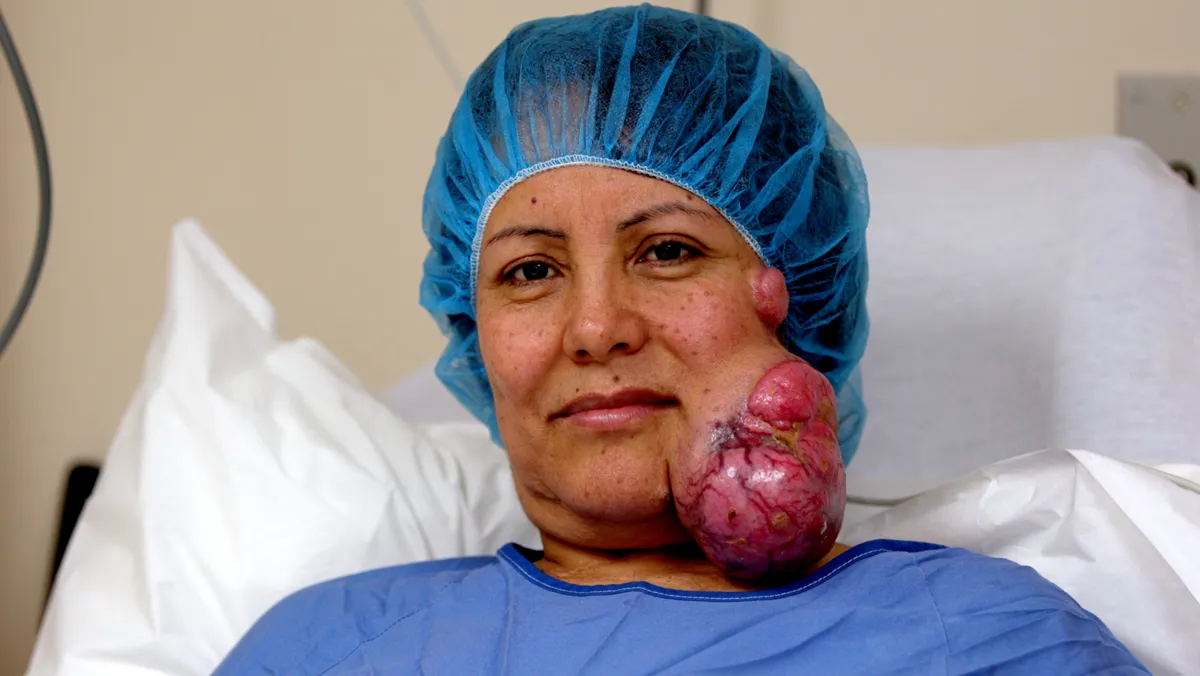
Patients undergoing revision parotid surgery or treatment for recurrent tumors face increased complexity:
Scar tissue may obscure normal anatomy
Facial nerve identification may be more challenging
Why Experience Matters
How Surgical Expertise Impacts Risk
Outcomes in parotid surgery are closely linked to surgeon experience and subspecialty focus.
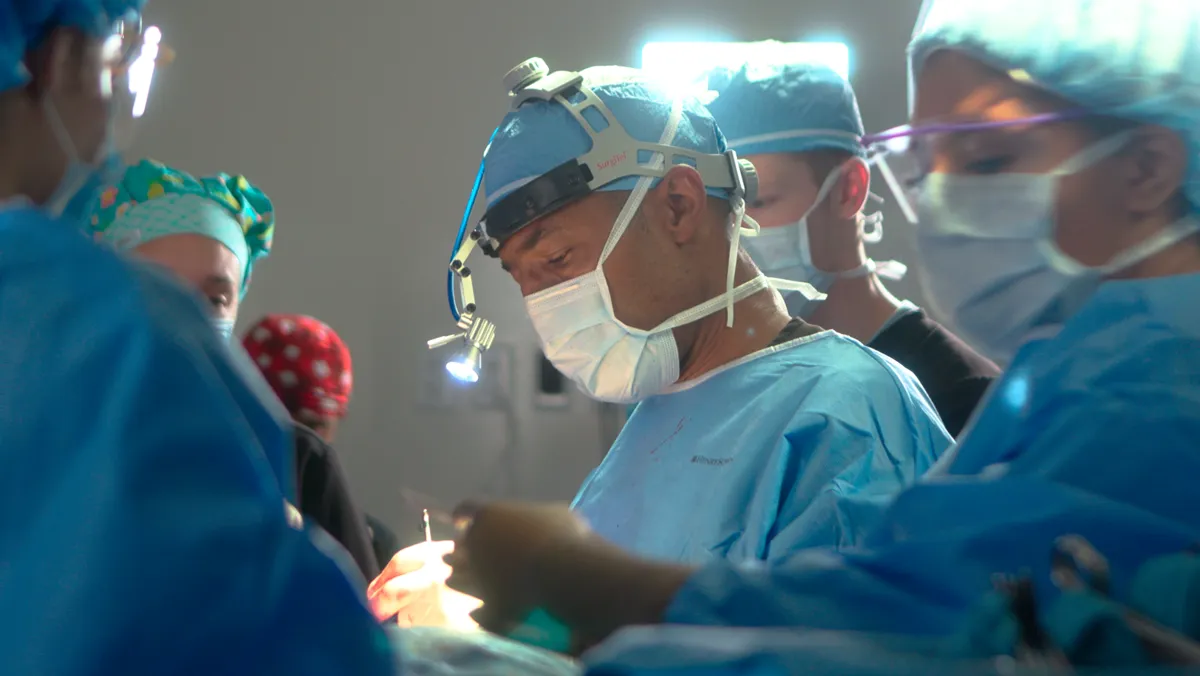
High Surgical Volume
Extensive experience in parotid procedures leads to refined technique and improved outcomes.
Dedicated Focus on Salivary Gland Disease
Subspecialty expertise allows for both reduction of complications and improved functional outcomes.
Advanced Monitoring & Reconstruction
Use of intraoperative nerve monitoring and modern reconstruction techniques significantly reduces risk.
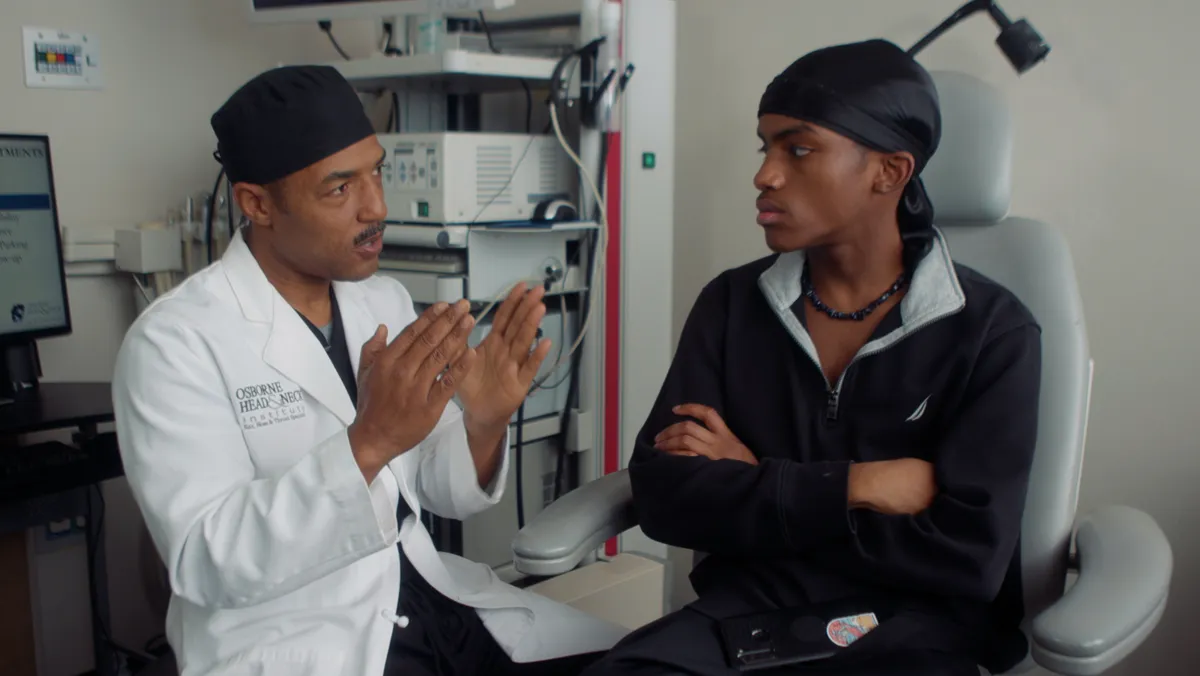
Informed Decisions
Balancing Risk and Benefit
It is equally important to consider the risks of not treating a parotid tumor or salivary gland disorder:
Tumor growth or malignant transformation
Progressive symptoms
Increased complexity of delayed treatment
Real Patients. Real Outcomes.
Patient Reviews for Osborne Head & Neck Institute
Each story reflects what matters most: accurate diagnosis, thoughtful treatment, and outcomes that restore both function and confidence.
Hear From Our Patients
Patient Testimonials
Patients travel from across the United States and around the globe for salivary gland and parotid surgery at the Osborne Head & Neck Institute. Find a story from your state or country and see what the journey looked like for someone in your position.
View Patient TestimonialsPATIENT EDUCATION
Parotid Surgery Risk FAQs
The most significant risk is injury to the facial nerve, which controls facial movement. However, with experienced surgeons and modern techniques, the risk of permanent facial weakness is very low.
In the vast majority of cases, facial weakness after parotid surgery is temporary and resolves within weeks to months. Permanent weakness is uncommon when performed by specialized surgeons.
Frey's syndrome (gustatory sweating) occurs when nerve fibers regenerate incorrectly after surgery, causing sweating on the cheek while eating. It can be prevented with proper reconstruction and treated effectively if it occurs.
Choose a surgeon with specialized experience in parotid surgery, ensure comprehensive preoperative imaging, and discuss all risks and surgical planning in detail during consultation.
Recurrence rates depend on tumor type and surgical completeness. Benign tumors have low recurrence rates when adequately excised, while malignant tumors may require additional treatment.
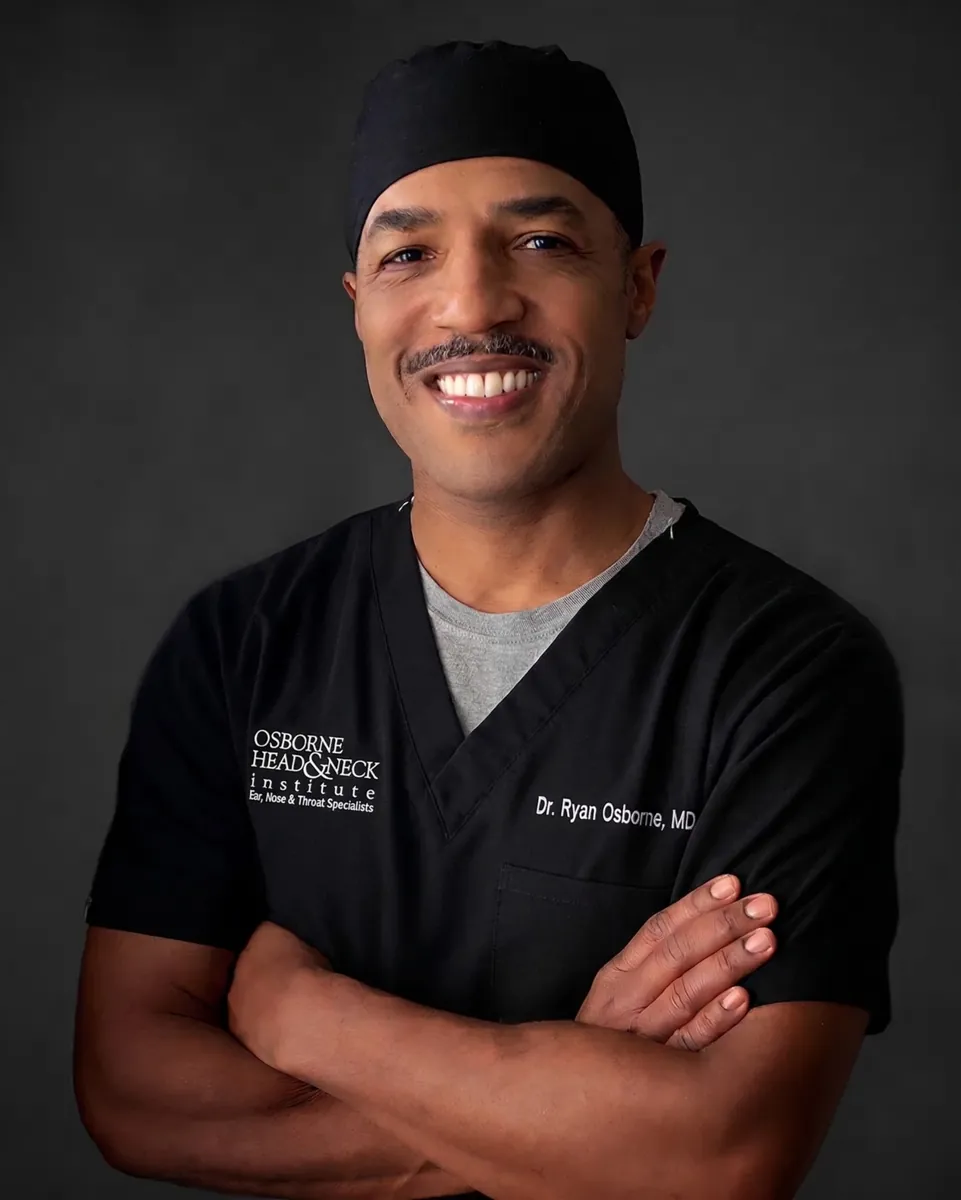
Why Choose OHNI
Not Big Medicine | Personalized, Global Expertise
Many patients assume the best care is found at large, well-known institutions. While these centers offer excellent care, they often operate within standardized systems shaped by regional training models.
At OHNI, Dr. Ryan Osborne offers something fundamentally different: a truly global perspective combined with highly personalized surgical care with experience across five continents, tailoring each procedure to the individual patient, not the system.
Global Perspective
Experience across five continents, applying diverse surgical philosophies and techniques beyond standard U.S. training.
Precision & Preservation
Specialized techniques like Extra-Capsular Dissection designed to minimize invasiveness while protecting the facial nerve.
Patient-First Care
Direct surgeon access, individualized treatment planning, and a focus on both medical outcomes and quality of life.
Proven Outcomes
Patients consistently highlight clear communication, confident surgical decisions, and excellent functional results.
Informed, Patient-Centered Care
Parotid surgery is safe and effective when performed by experienced specialists. Modern techniques and subspecialty expertise significantly reduce parotid surgery risks while ensuring optimal outcomes.
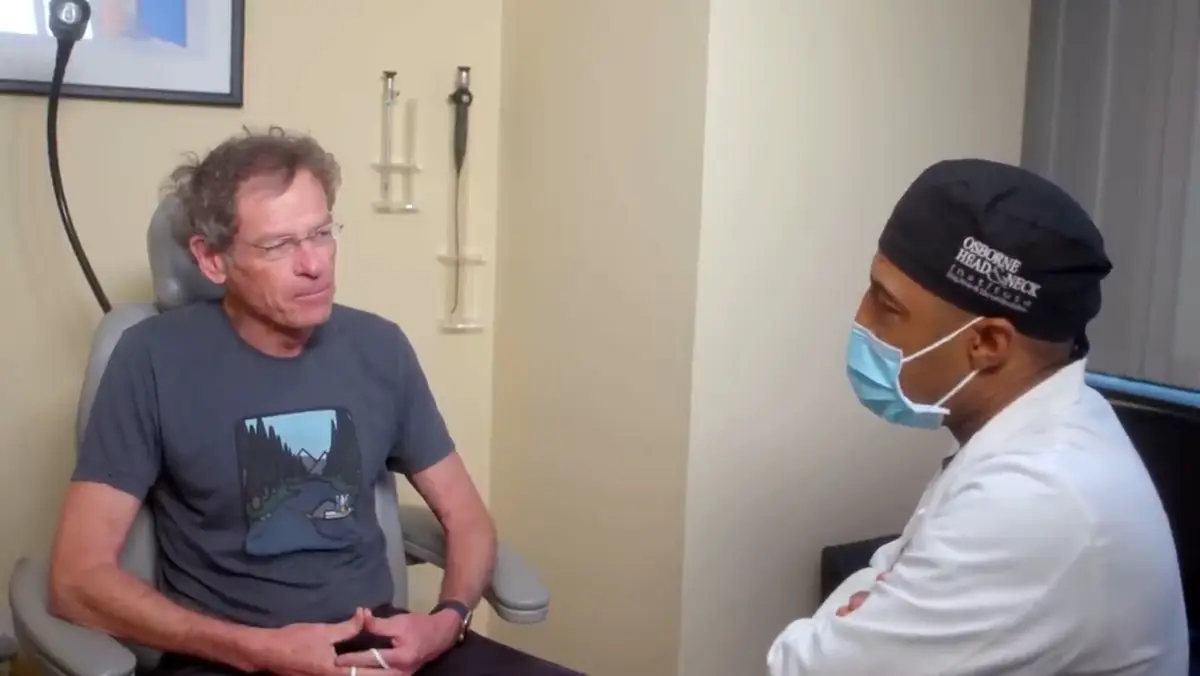
Become a Patient
Contact the Osborne Head & Neck Institute for a comprehensive evaluation and transparent discussion of your surgical options.