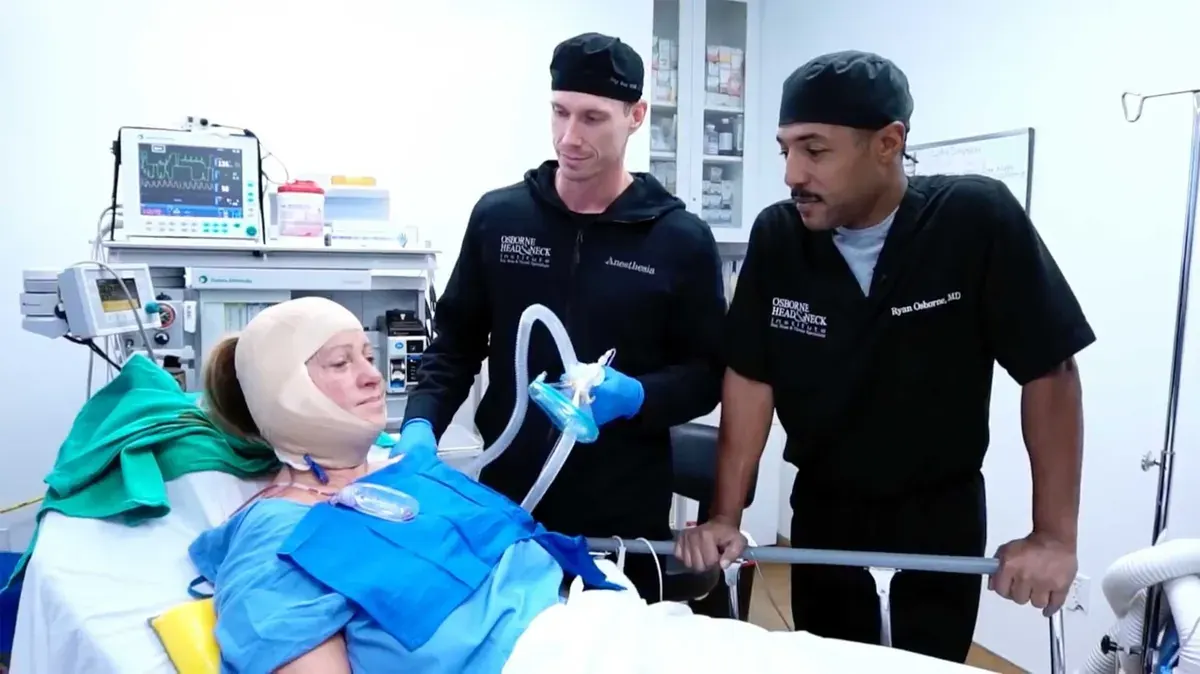
Osborne Head & Neck Institute | Los Angeles
Facial Nerve Damage | Parotid Surgery Risks
Risks, Recovery, and What to Expect
Ryan F. Osborne, MD | Fellowship-Trained Head & Neck Surgical Oncologist
Medically Reviewed By: OHNI Clinical Staff · Last Updated: November 2, 2026
Anatomy
What Is the Facial Nerve?
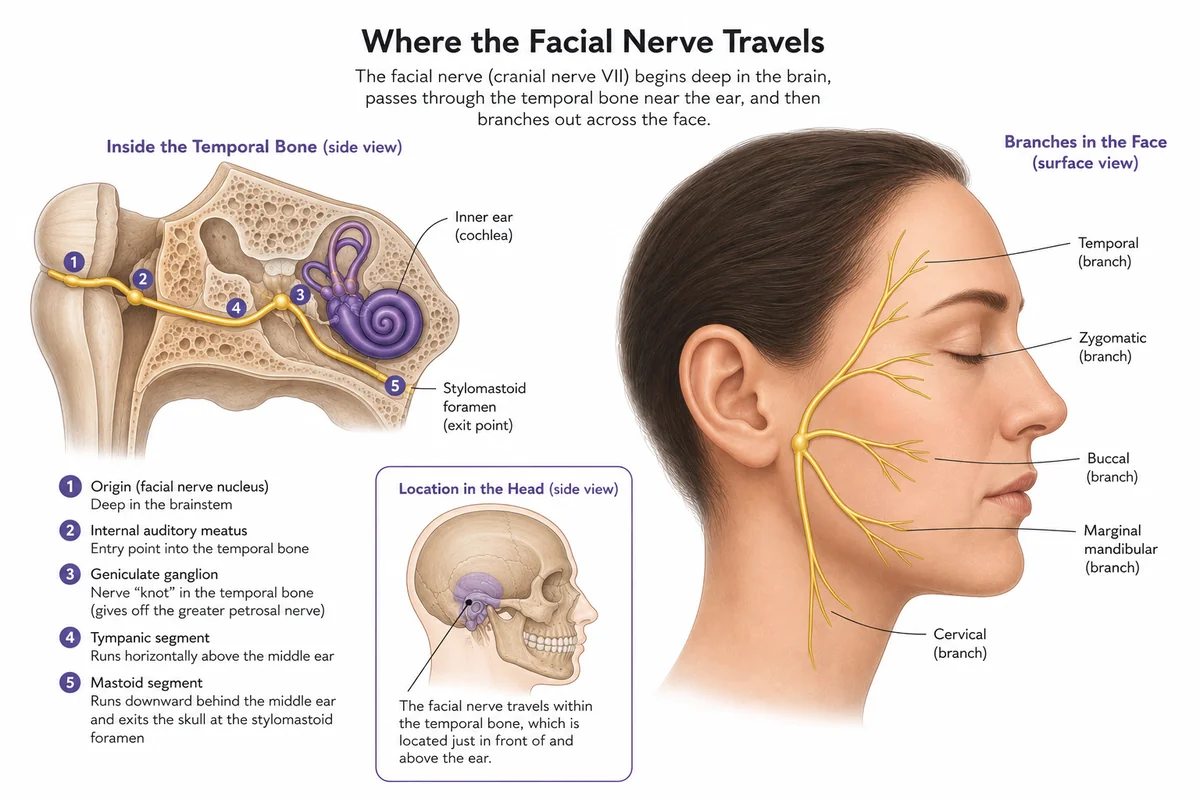
The facial nerve (cranial nerve VII) is responsible for controlling facial expressions (smiling, frowning), eye closure, lip movement, and some aspects of taste and salivary function.
After exiting the skull, the facial nerve enters the parotid gland and divides into multiple branches that control different parts of the face. Because of this anatomy, any surgery involving the parotid gland requires careful identification and preservation of the facial nerve1.
Surgical Context
Why Is the Facial Nerve at Risk During Parotid Surgery?
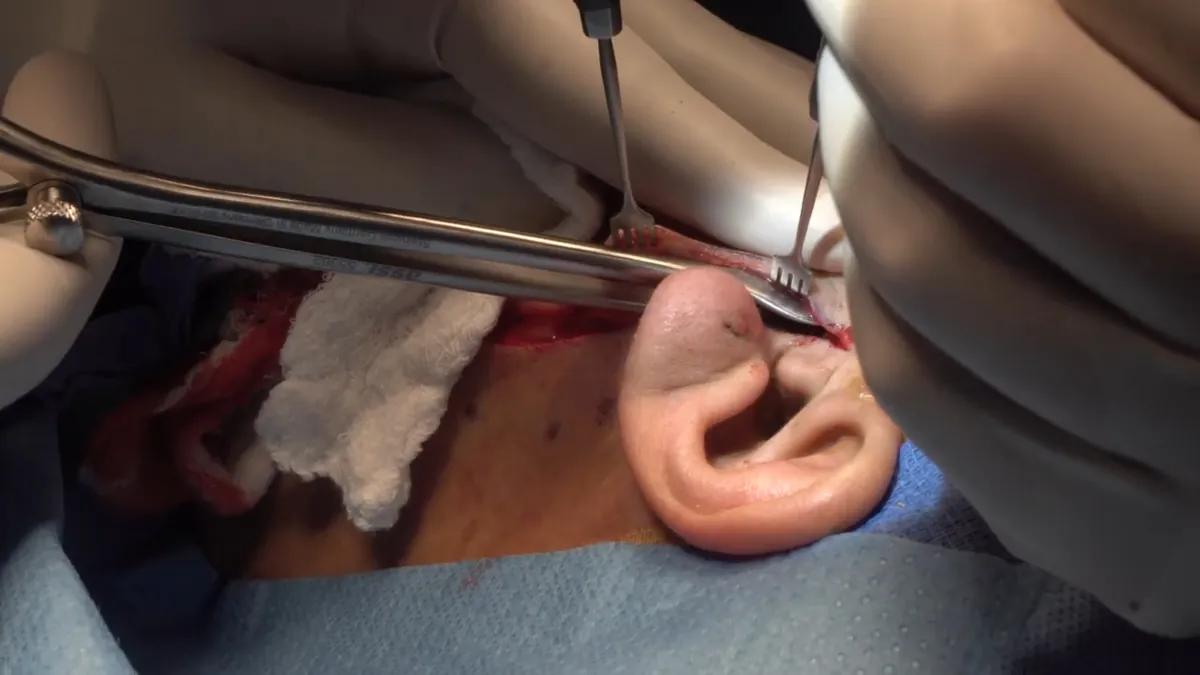
The facial nerve runs directly through the parotid gland, making it unavoidable during surgery. During tumor removal, surgeons must identify the main trunk of the nerve, trace its branches, and carefully separate it from surrounding tissue.
Stretched or Irritated
Even with meticulous technique, the nerve may be stretched or temporarily disrupted during dissection.
Tumor Involvement
In rare cases, the nerve may be directly involved by a tumor, requiring partial or full removal.
Surgical Complexity
Deep lobe tumors, revision surgery, and malignant cases increase the degree of nerve manipulation required.
Incidence
How Common Is Facial Nerve Damage?
 Immediately After Surgery
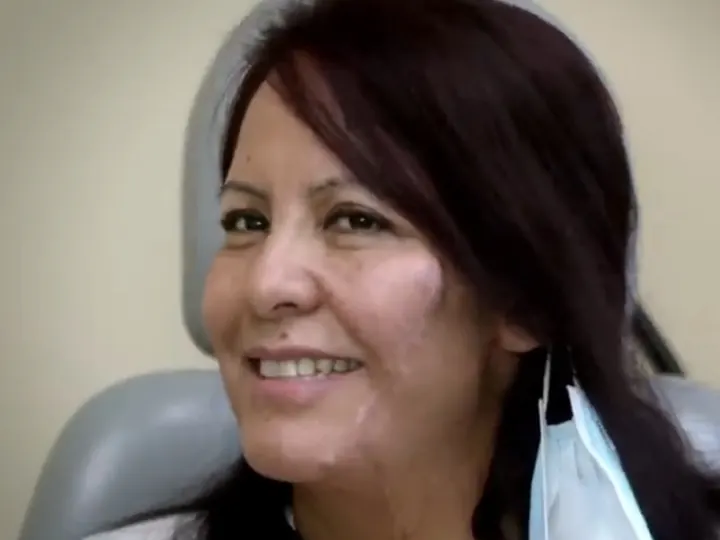 6 Months After Surgery
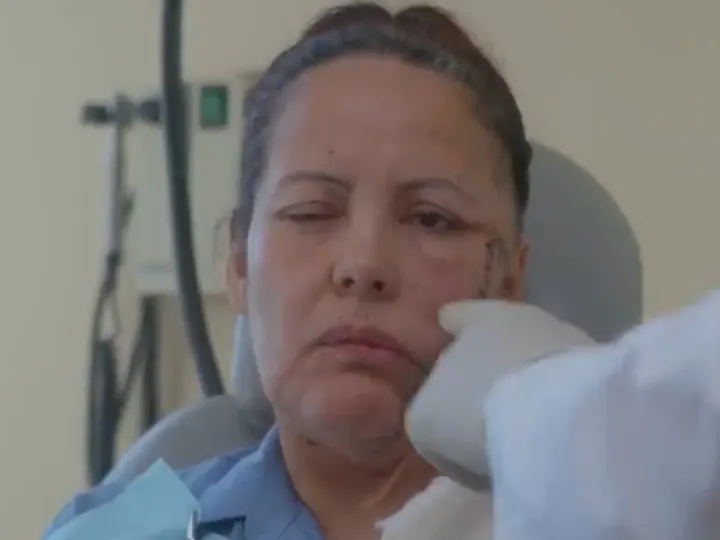
Temporary Weakness
Occurs in approximately 15% to 65% of cases, depending on tumor size and surgical complexity2,3.
Common and usually resolves
Permanent Damage
Typically occurs in 1% to 7% of cases. More likely in malignant or complex tumors2.
Uncommon, especially with experienced surgeons
Classification
Types of Facial Nerve Injury
Neuropraxia (Temporary)
The most common type. Caused by stretching or mild trauma. Nerve remains intact and full recovery is expected.
Axonotmesis (Moderate)
Nerve fibers are disrupted but the nerve sheath is intact. Recovery occurs over time and may take months.
Neurotmesis (Severe)
Complete nerve disruption. May require surgical repair and recovery may be incomplete.
Symptoms of Facial Nerve Damage
Mild Symptoms
Moderate Symptoms
Severe Symptoms
Affected Areas
Which Areas of the Face Are Affected?
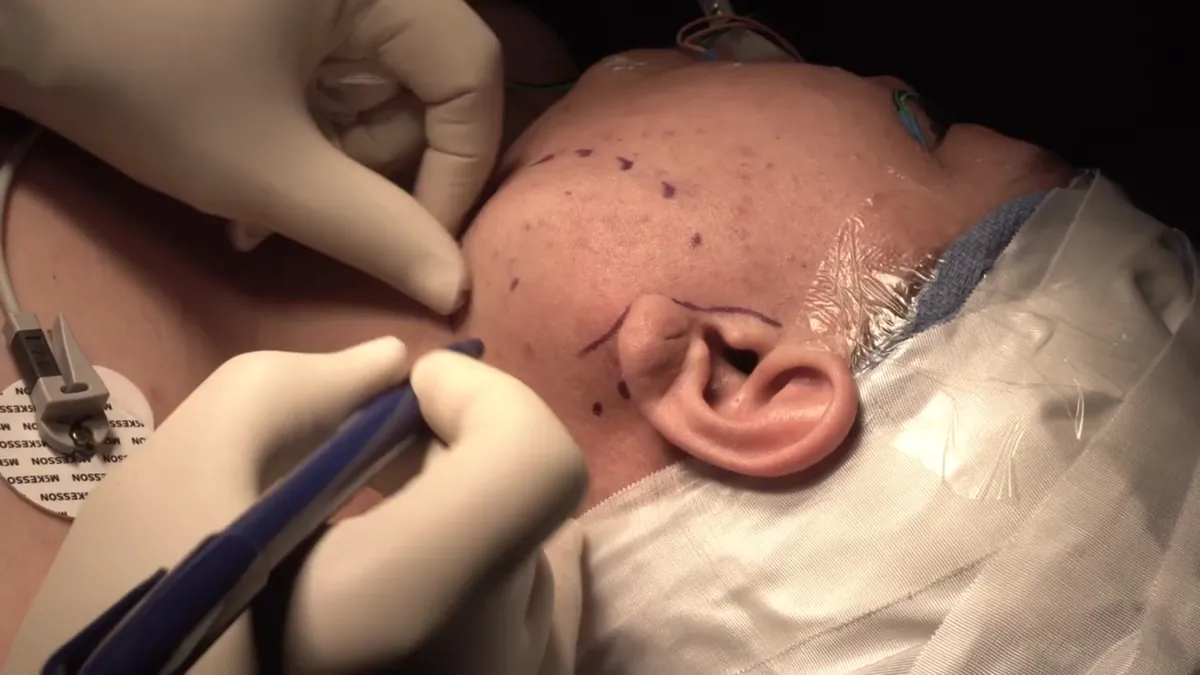
The facial nerve divides into five main branches. Damage may affect one or more of these branches. Research shows that the marginal mandibular branch is most commonly affected, leading to lower lip weakness3.
Temporal (forehead)
Zygomatic (eye area)
Buccal (cheek)
Marginal mandibular (lower lip)
Cervical (neck)
Risk Factors
Factors That Increase the Risk of Nerve Damage
Several clinical and anatomical factors raise the likelihood of facial nerve injury during parotid surgery. Understanding these risks guides surgical planning and patient counseling.
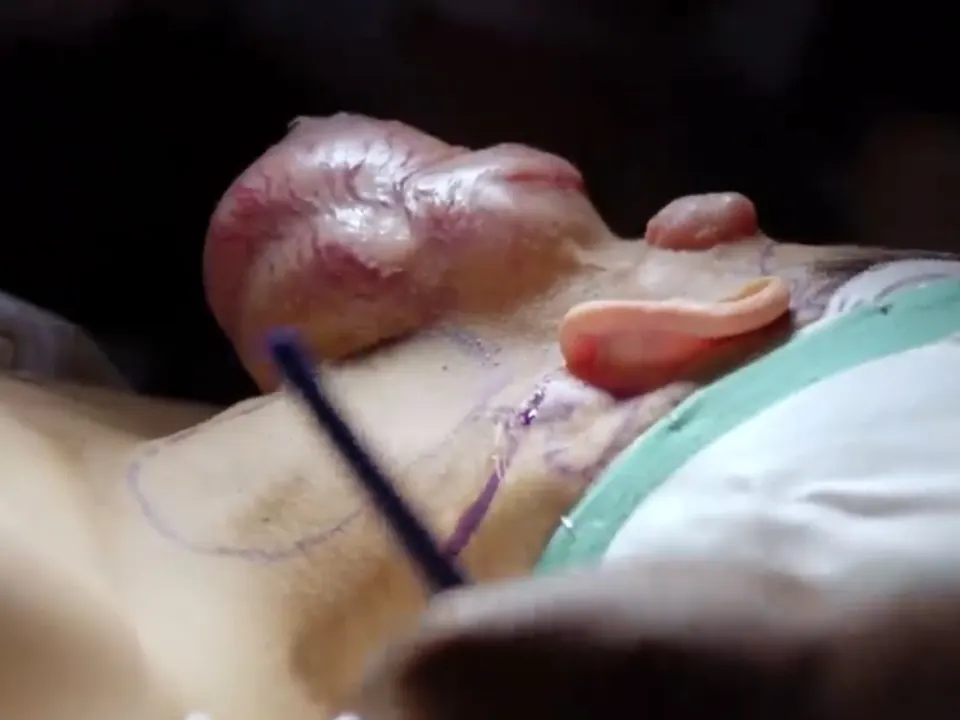
Tumor Size and Location
Larger or deeper tumors increase risk due to more extensive dissection and greater nerve involvement.
Malignant Tumors
Cancerous tumors may invade the nerve or require nerve removal for complete treatment.
Revision Surgery
Repeat surgery carries higher risk due to scar tissue and altered anatomy.
Surgical Complexity
Total parotidectomy, deep lobe surgery, and parapharyngeal tumor surgery have higher risk compared to superficial procedures.
Prevention
How Surgeons Prevent Facial Nerve Damage
Facial nerve preservation is the defining standard of modern parotid surgery. The risk of injury is reduced through a disciplined combination of expertise, technology, and technique, applied consistently in every case.
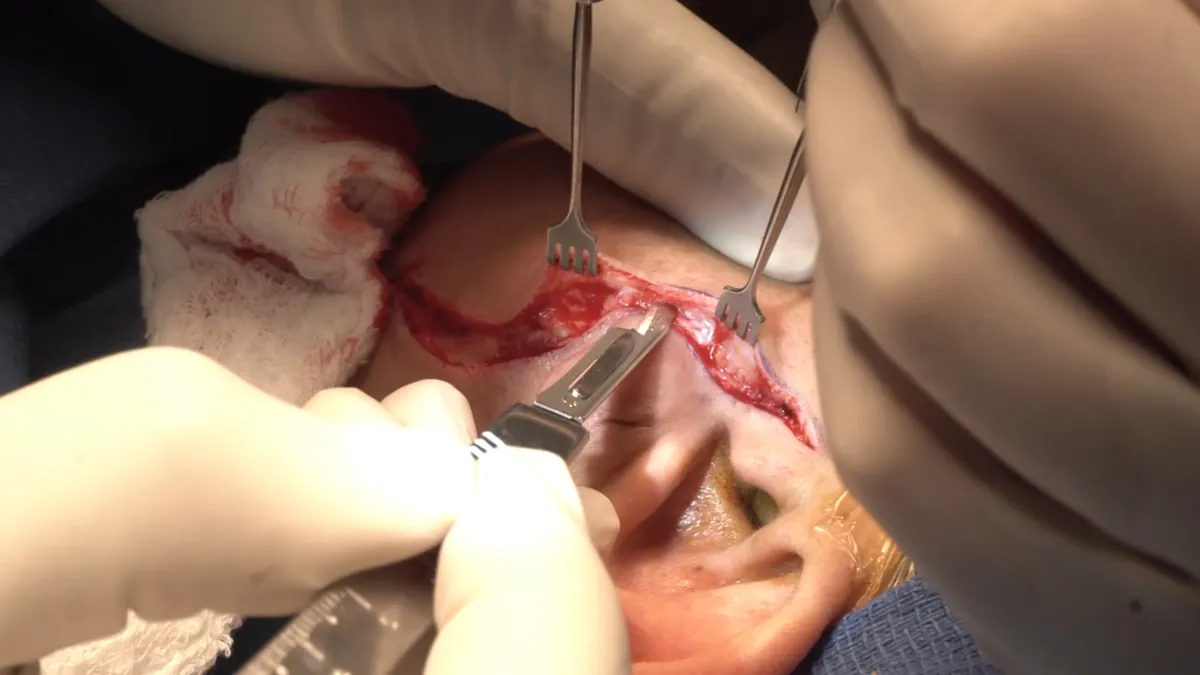
The Standard of Care
Continuous Intraoperative Nerve Monitoring
Real-time electrophysiologic feedback identifies the facial nerve and its branches throughout dissection, allowing the surgeon to confirm function at every step. Research demonstrates this technique improves identification and preservation of the facial nerve5.
Detailed Anatomical Knowledge
Subspecialty-trained surgeons identify nerve landmarks and navigate the parotid's complex anatomy with precision developed over thousands of cases.
Gentle Surgical Technique
Minimizing traction, thermal exposure, and unnecessary handling of nerve tissue protects function and reduces the risk of temporary or permanent injury.
Treatment
Treatment for Facial Nerve Weakness
Most facial nerve weakness following parotid surgery is temporary and resolves with time. A combination of observation, supportive therapy, and protective measures guides recovery.
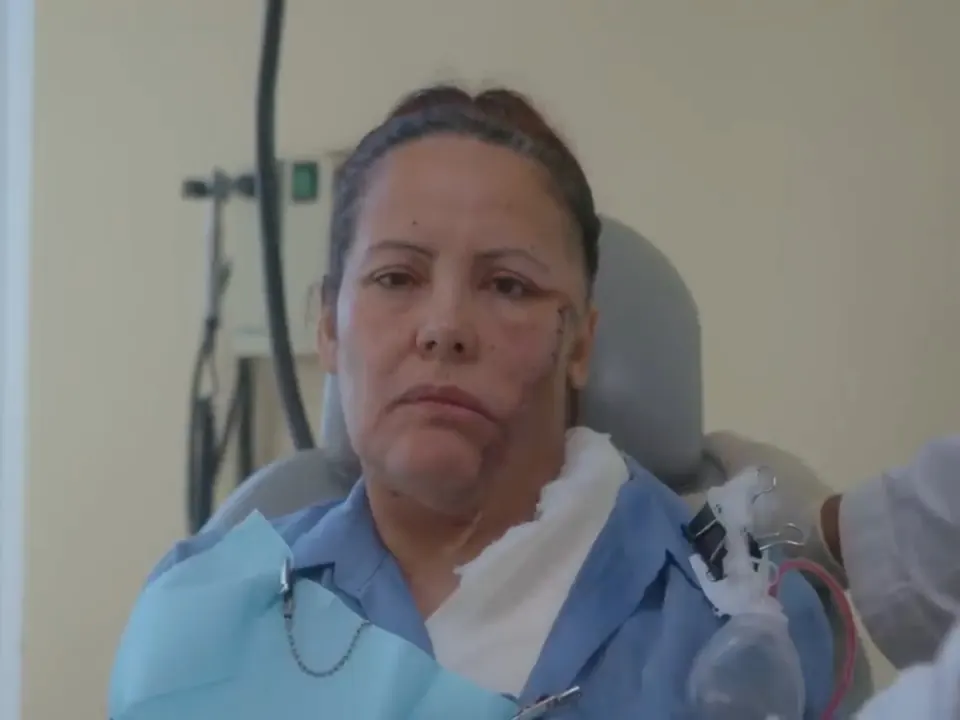
Observation
Most cases improve naturally over time without intervention.
Physical Therapy
Facial exercises may help improve muscle strength and restore symmetry.
Eye Protection
If eye closure is affected, lubricating drops and eye patches may be needed to protect the eye.
Surgical Reconstruction
In rare cases of permanent damage, nerve grafting and muscle transfer procedures may be considered.
Patient Well-Being
Emotional Impact of Facial Nerve Damage
Facial nerve changes can affect self-confidence, social interaction, and emotional well-being. Support and reassurance are important parts of recovery.
Guidance
When to Contact Your Surgeon
Seek medical attention if you experience any of the following. Early intervention can improve outcomes.
Worsening facial weakness
Inability to close the eye
Persistent or severe symptoms
Patient Education
Frequently Asked Questions
Temporary weakness is relatively common, occurring in approximately 15% to 65% of cases depending on complexity. However, permanent damage is rare, typically occurring in only 1% to 7% of cases.
Most patients recover normal or near-normal function within 3 to 6 months. The timeline depends on the type and extent of nerve injury during surgery.
In most cases, yes. Full or near-full recovery is typical, especially when surgery is performed by an experienced specialist using nerve monitoring techniques.
Reconstructive options are available, including nerve grafting and muscle transfer procedures. These techniques can help restore facial function and symmetry.
Choosing an experienced parotid surgeon who uses intraoperative nerve monitoring is the most important factor. Subspecialty expertise significantly reduces the risk of permanent nerve injury.
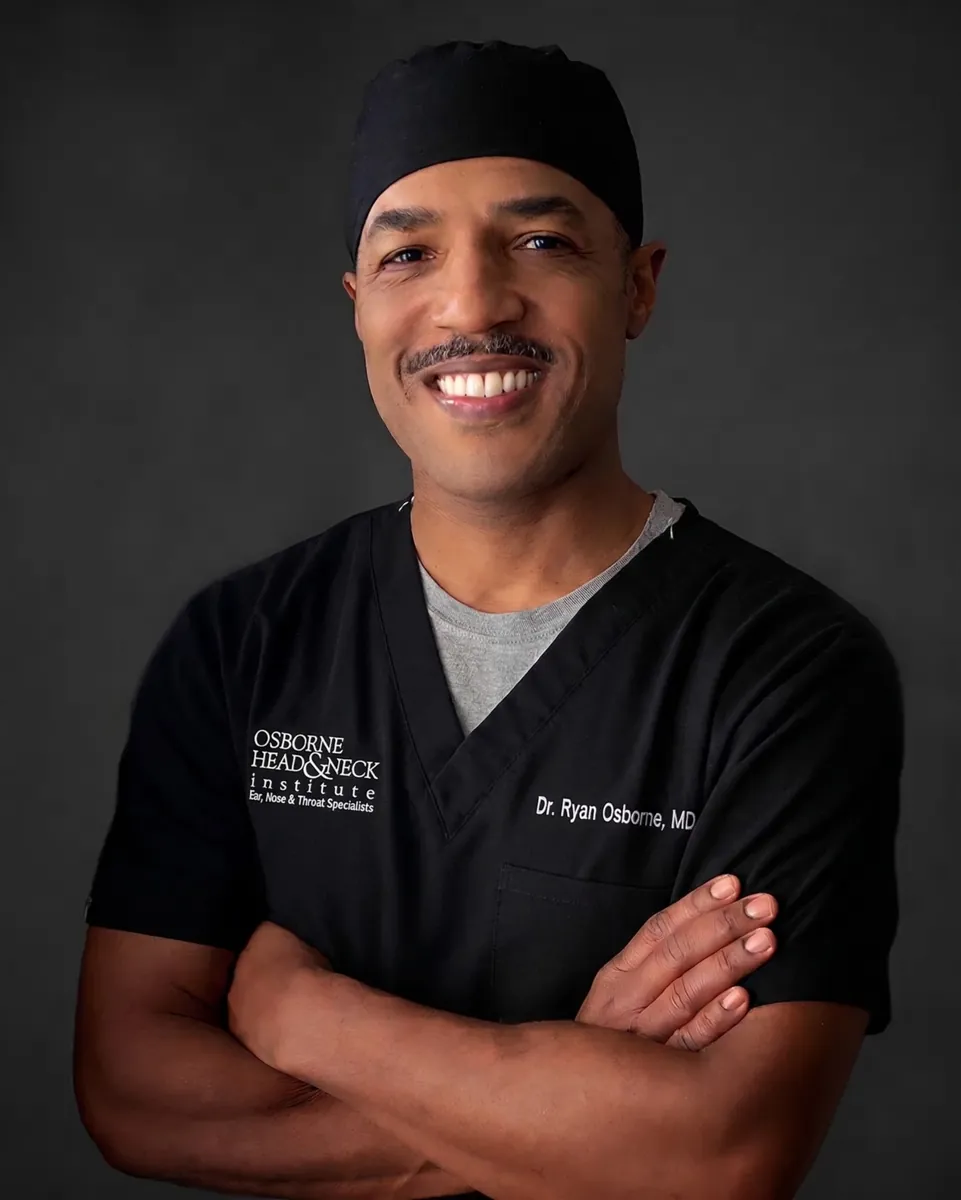
Why Choose OHNI
Not Big Medicine | Personalized, Global Expertise
Many patients assume the best care is found at large, well-known institutions. While these centers offer excellent care, they often operate within standardized systems shaped by regional training models.
At OHNI, Dr. Ryan Osborne offers something fundamentally different: a truly global perspective combined with highly personalized surgical care with experience across five continents, tailoring each procedure to the individual patient, not the system.
Global Perspective
Experience across five continents, applying diverse surgical philosophies and techniques beyond standard U.S. training.
Precision & Preservation
Specialized techniques like Extra-Capsular Dissection designed to minimize invasiveness while protecting the facial nerve.
Patient-First Care
Direct surgeon access, individualized treatment planning, and a focus on both medical outcomes and quality of life.
Proven Outcomes
Patients consistently highlight clear communication, confident surgical decisions, and excellent functional results.
References
- Facial nerve anatomy and relationship to parotid gland. Gray's Anatomy / Head and Neck Surgical Texts.
- Guntinas-Lichius O et al. Risk of facial palsy after parotidectomy. Acta Oto-Laryngologica.
- Bron LP, O'Brien CJ. Facial nerve dysfunction after parotid surgery. Archives of Otolaryngology–Head & Neck Surgery.
- Facial nerve recovery timelines following parotidectomy. Head and Neck Surgery literature.
- Randolph GW et al. Intraoperative nerve monitoring in head and neck surgery. The Laryngoscope.
Become a Patient
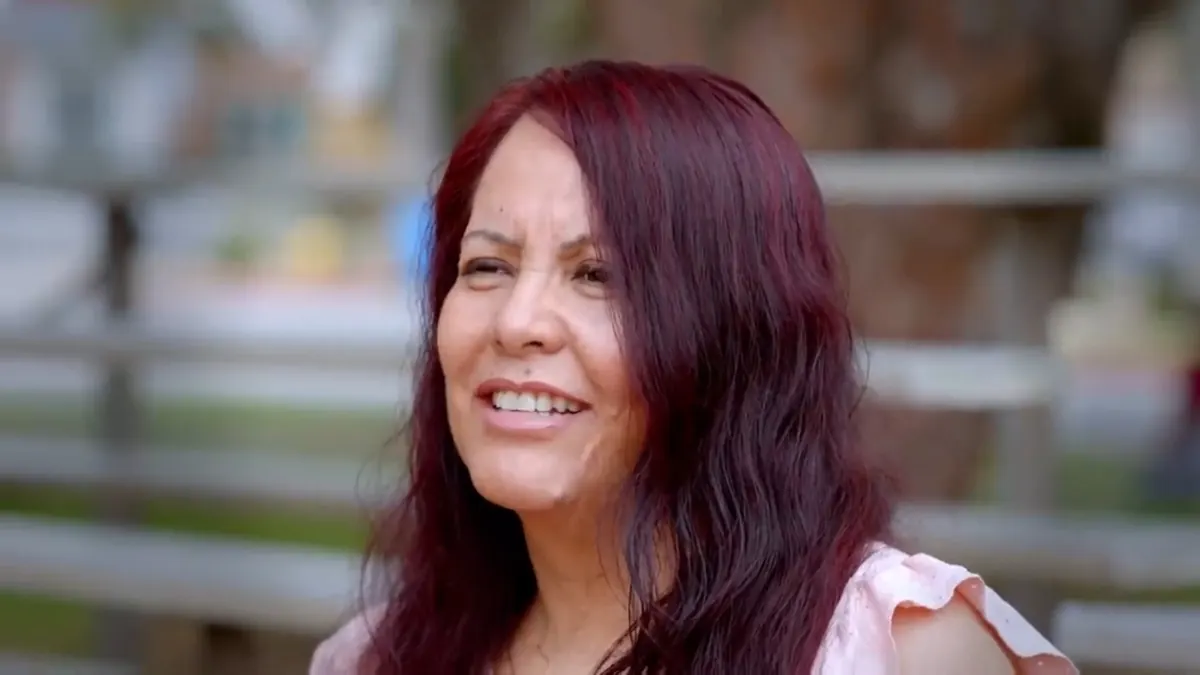
Facial nerve preservation is one of the most important considerations in parotid surgery. Choosing a specialist who prioritizes nerve safety can make all the difference in your outcome.
Schedule a Consultation
Contact the Osborne Head & Neck Institute for expert evaluation and surgical planning.