Osborne Head & Neck Institute | Los Angeles
The Osborne Incision™
Advanced Mini-Incision Technique in Parotid Surgery
Ryan F. Osborne, MD | Fellowship-Trained Head & Neck Surgical Oncologist
Medically Reviewed By: OHNI Clinical Staff · Last Updated: November 2, 2026
Historical Context
Evolution of Parotidectomy Incisions
Historically, parotidectomy required larger, extensive incisions to ensure safe identification of the facial nerve. While effective, these approaches often resulted in:
Advances in surgical technique have enabled a transition toward targeted, anatomy-driven access, reducing the need for extensive exposure.
The Technique
What Is The Osborne Incision™?
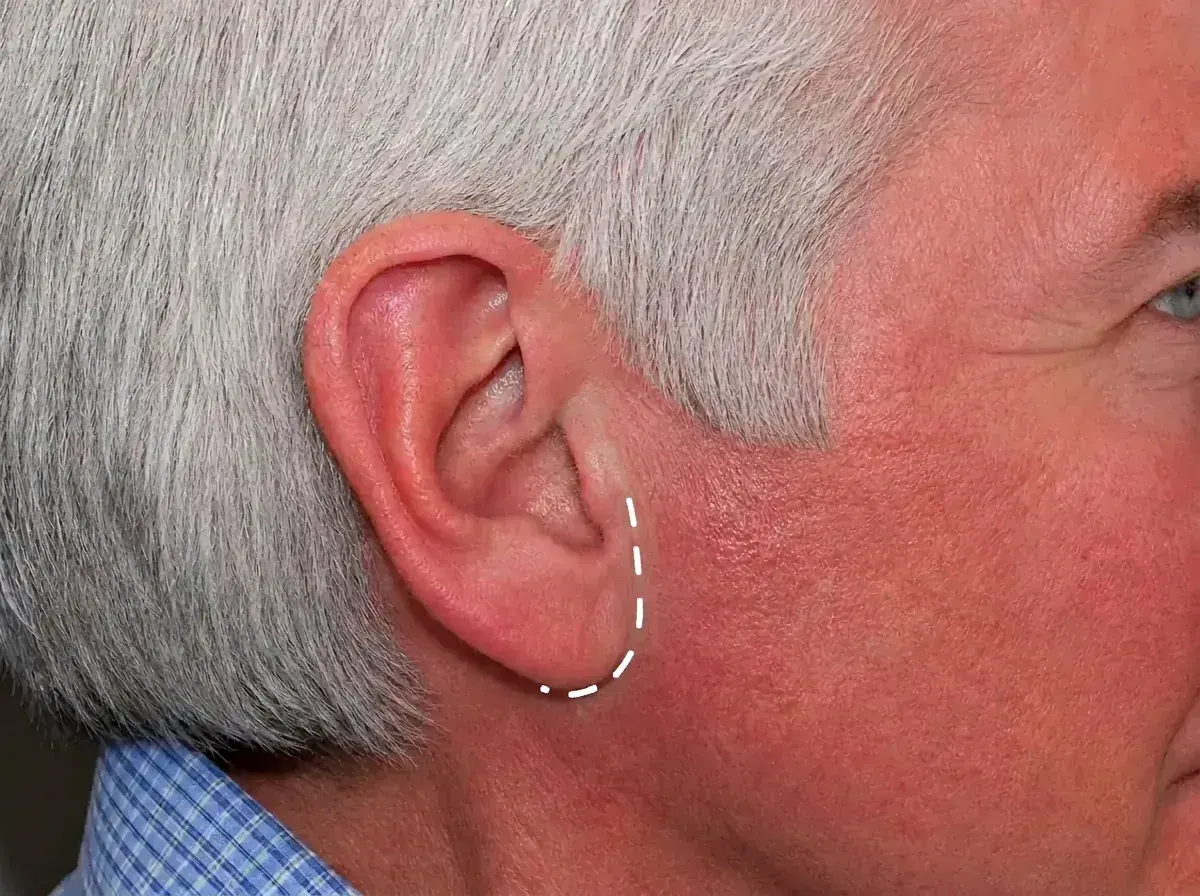
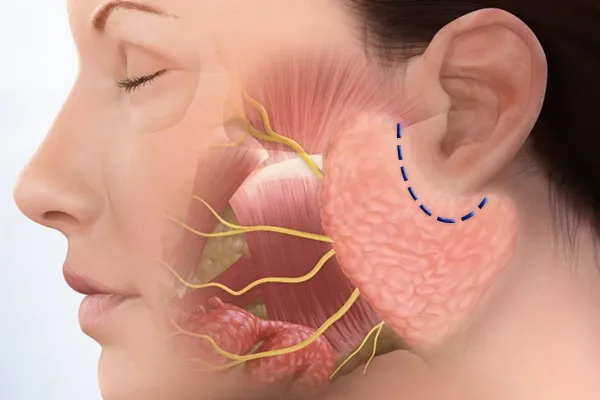
The Osborne Incision™ is a mini-incision parotidectomy technique that utilizes a shortened, strategically positioned incision tailored to the location of the tumor and the patient's anatomy.
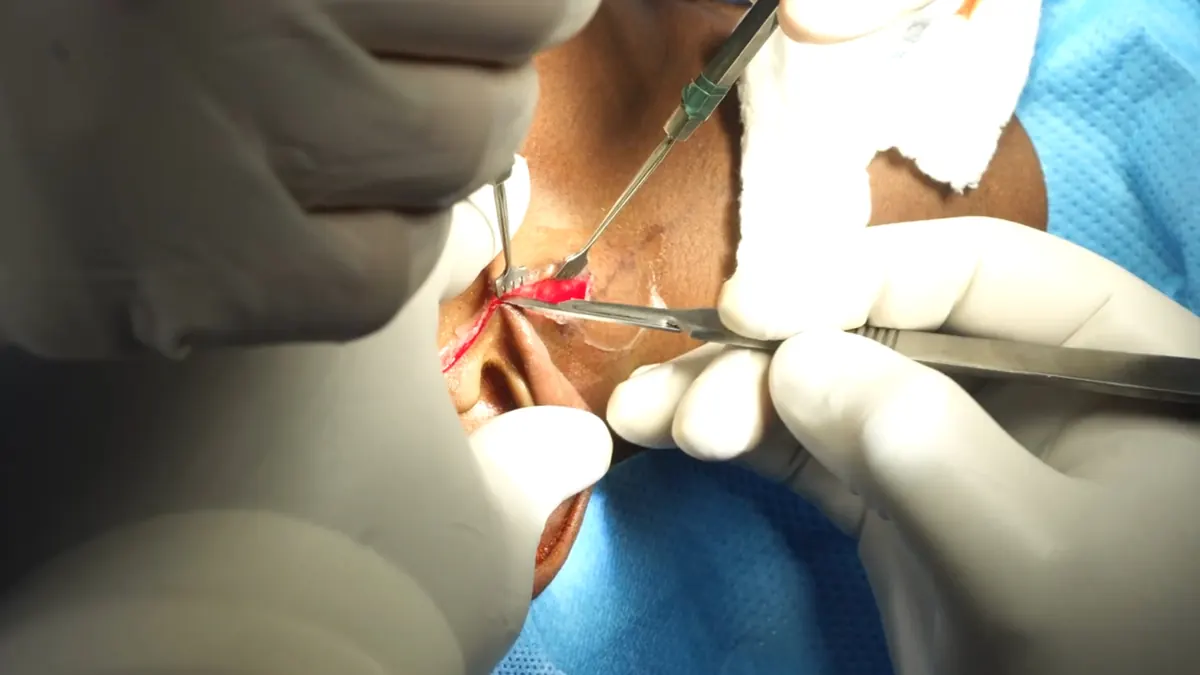
Based on the principle of "precision exposure", providing exactly the access required, without unnecessary dissection.
Reduced incision length compared to traditional approaches
Placement along natural skin contours to minimize visibility
Focused surgical corridor for precise dissection
Preservation of surrounding soft tissue structures
Core Methodology
Surgical Principles
Precision-Based Access
The incision aligns with tumor location, facial nerve anatomy, and natural skin lines for efficient access with minimal disruption.
Facial Nerve Preservation
Full adherence to core surgical principles: early nerve trunk identification, careful branch dissection, and intraoperative nerve monitoring.
Oncologic Integrity
Complete excision remains the priority. Surgical margins are maintained and technique is adapted based on tumor characteristics.
Patient Benefits
Clinical Advantages
Improved Cosmetic Outcome
Reduced Tissue Disruption
Faster Recovery
Functional Preservation
Candidacy
Patient Selection
Best Candidates
May Require Modified Approach
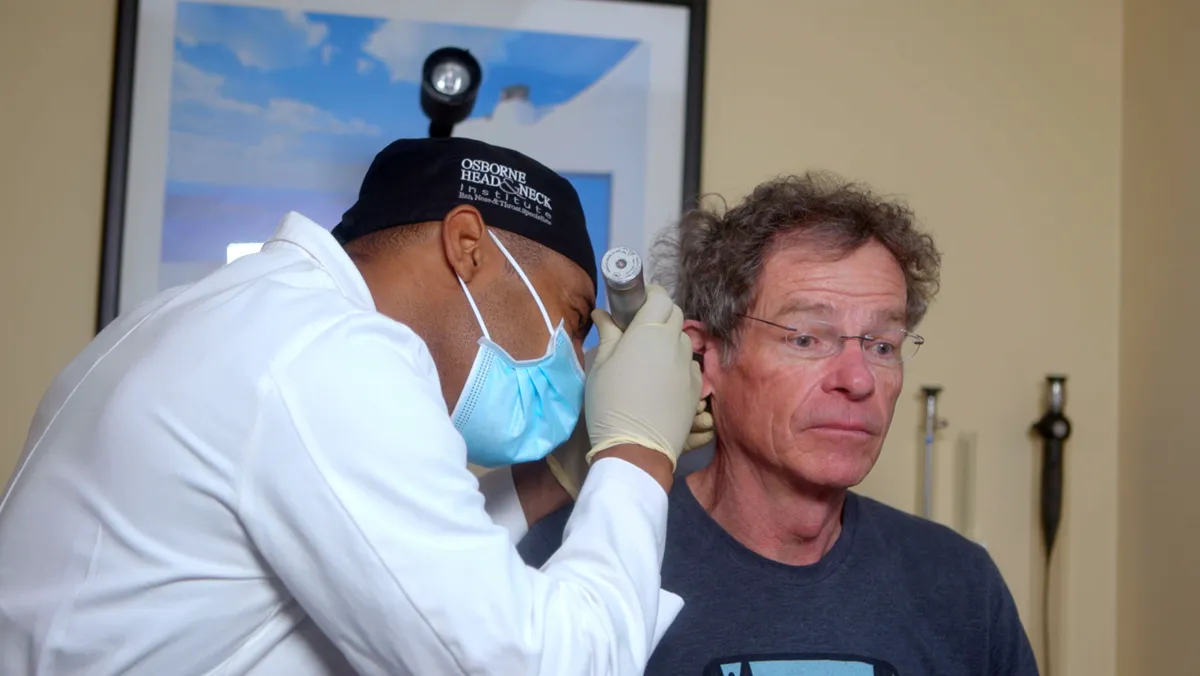
Comparison
The Osborne Incision™ vs. Traditional Technique
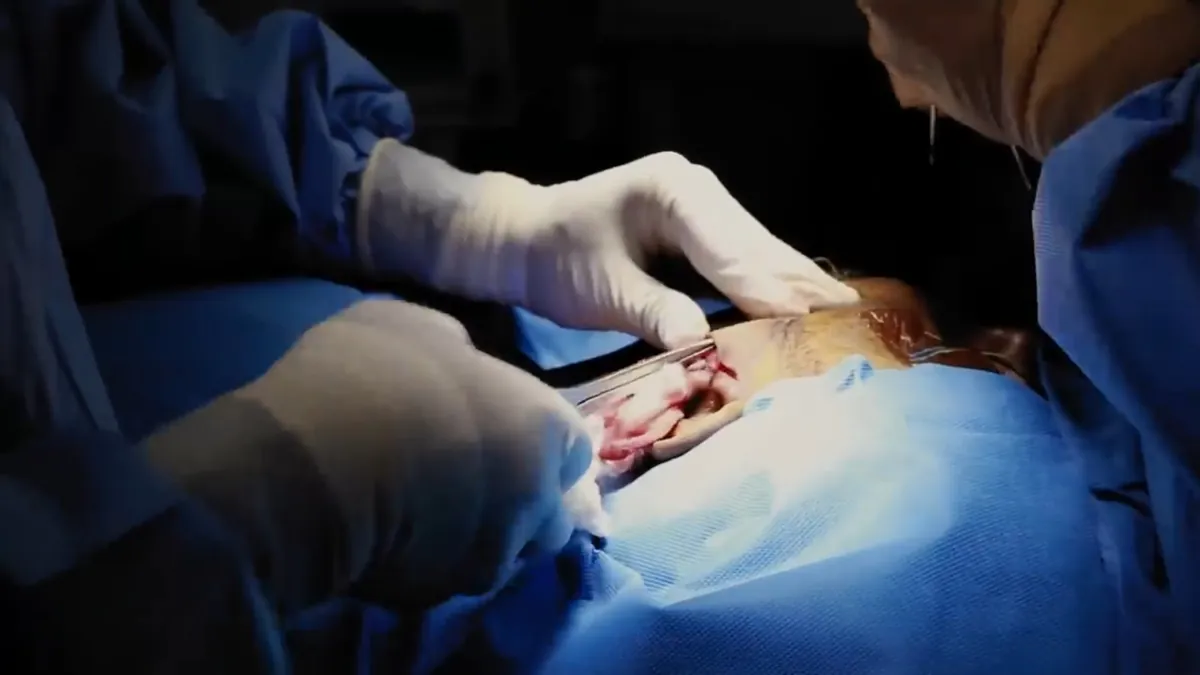
Patient Safety
Safety Considerations
A critical principle: minimally invasive does not mean limited safety. Patient safety remains the primary priority.
Approach adapted based on anatomy and tumor complexity
Incision size never prioritized over nerve preservation or oncologic completeness
Conversion to larger exposure performed when necessary
Patient Journey
Recovery & Outcomes
Patients undergoing parotidectomy with The Osborne Incision™ typically experience excellent outcomes, particularly in benign disease.
Expertise Required
The Role of Surgical Expertise
Successful use of The Osborne Incision™ requires specialized expertise:
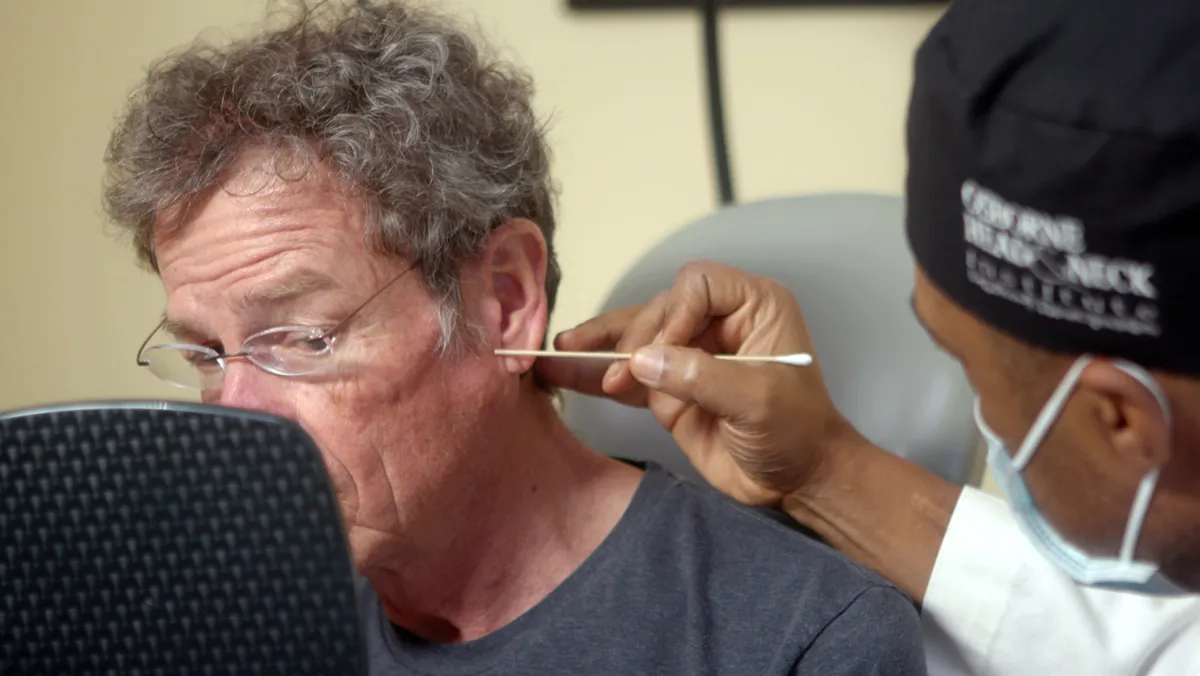
Don't Wait
When to Consider The Osborne Incision™
A comprehensive evaluation is required to determine whether this technique is appropriate. You may be a candidate if you have:
A diagnosed benign parotid tumor
A small or moderate-sized mass
Interest in minimizing visible scarring
PATIENT EDUCATION
The Osborne Incision™ FAQs
The Osborne Incision™ is a refined surgical approach for parotidectomy designed to minimize visible scarring while maintaining complete access for tumor removal and facial nerve preservation.
Unlike the traditional modified Blair incision, The Osborne Incision™ is placed in natural skin creases and contours, resulting in a more cosmetically favorable scar that is often nearly invisible after healing.
The technique is applicable to most parotid surgeries, including superficial and total parotidectomies. Your surgeon will determine suitability based on tumor size, location, and individual anatomy.
No. The Osborne Incision™ provides equivalent oncologic and functional outcomes compared to traditional approaches, with the added benefit of improved cosmetic results.
The scar is typically very well-concealed. Most patients report that their scar becomes difficult to notice within several months of surgery.
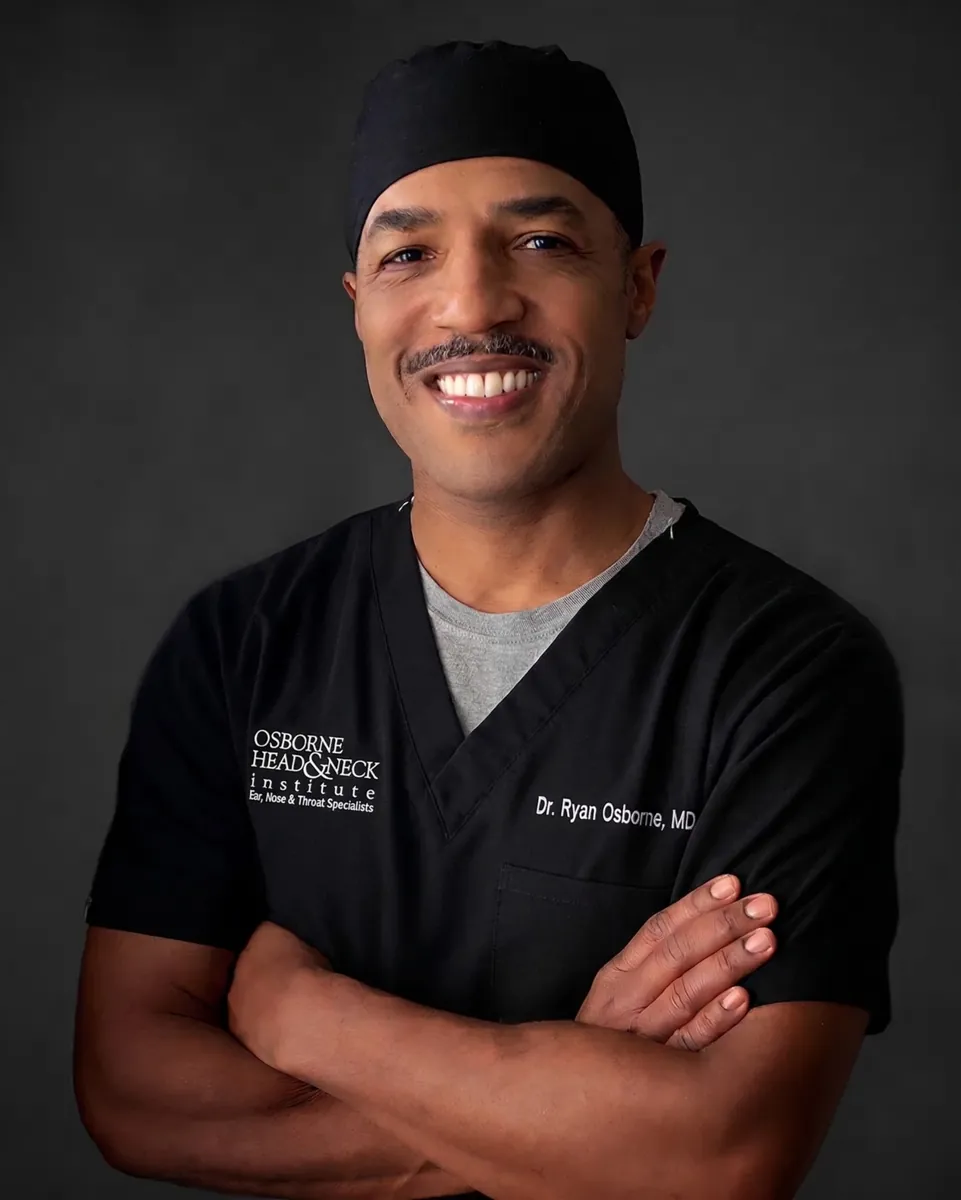
Why Choose OHNI
Not Big Medicine | Personalized, Global Expertise
Many patients assume the best care is found at large, well-known institutions. While these centers offer excellent care, they often operate within standardized systems shaped by regional training models.
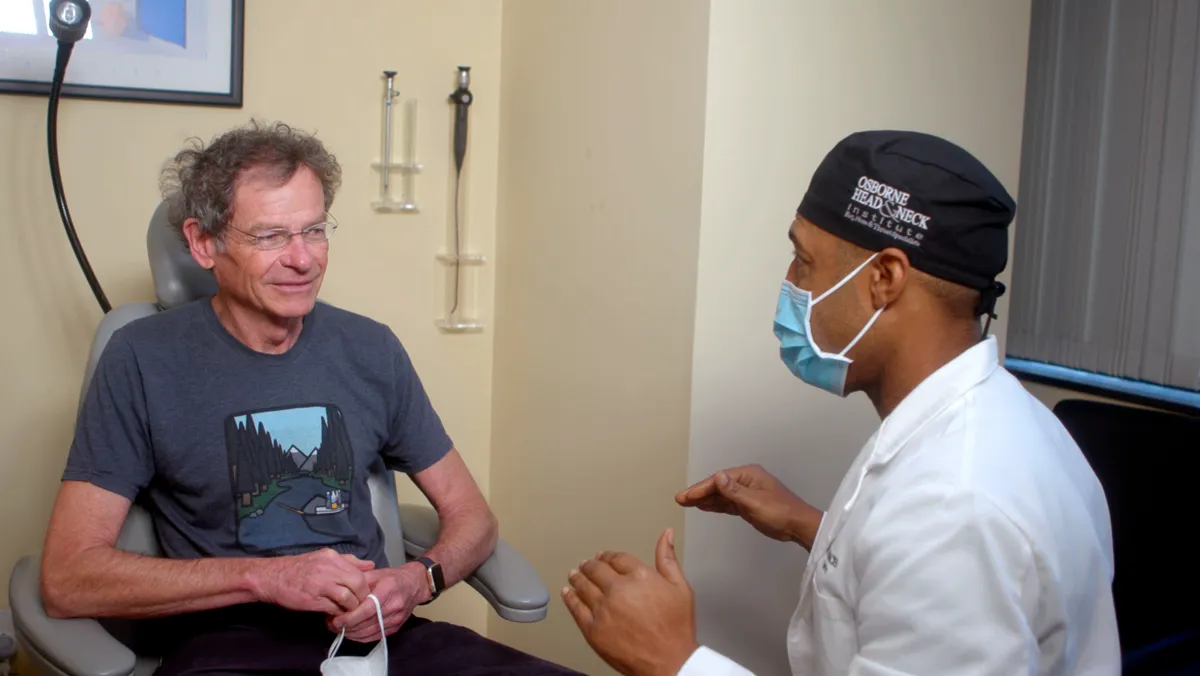
At OHNI, Dr. Ryan Osborne offers something fundamentally different: a truly global perspective combined with highly personalized surgical care with experience across five continents, tailoring each procedure to the individual patient, not the system.
Global Perspective
Experience across five continents, applying diverse surgical philosophies and techniques beyond standard U.S. training.
Precision & Preservation
Specialized techniques like Extra-Capsular Dissection designed to minimize invasiveness while protecting the facial nerve.
Patient-First Care
Direct surgeon access, individualized treatment planning, and a focus on both medical outcomes and quality of life.
Proven Outcomes
Patients consistently highlight clear communication, confident surgical decisions, and excellent functional results.
Precision-Based Parotid Surgery
The Osborne Incision™ represents a refined, modern approach to parotid surgery that balances oncologic safety, facial nerve preservation, and aesthetic outcomes, reflecting the continued evolution toward minimally invasive, patient-centered surgical care.

Become a Patient
Contact the Osborne Head & Neck Institute to determine if The Osborne Incision™ is appropriate for your case.