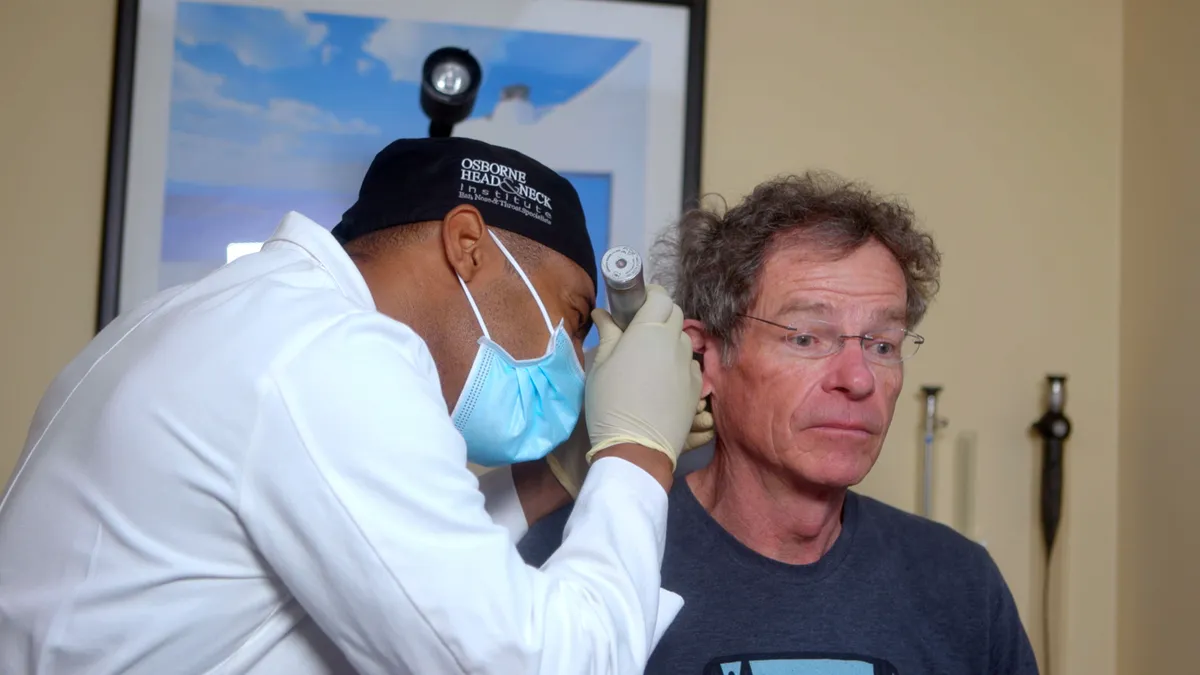
Osborne Head & Neck Institute | Los Angeles
Salivary Gland Symptoms
What They Mean and When to Seek Evaluation
Ryan F. Osborne, MD | Fellowship-Trained Head & Neck Surgical Oncologist
Medically Reviewed By: OHNI Clinical Staff · Last Updated: November 3, 2026
Overview
Recognizing Early Warning Signs
Salivary gland symptoms are signs such as swelling, a lump, pain, dry mouth or a bad taste that point to a problem in the salivary glands. What may initially feel like minor swelling, intermittent discomfort, or a small lump can represent the early stages of a much more significant underlying condition.
As Dr. Ryan F. Osborne emphasizes to every patient: the body often gives early warning signs. Recognizing those signs, and acting on them is critical.
This page outlines the most common symptoms of salivary gland disease, what they may indicate, and when to seek expert evaluation.
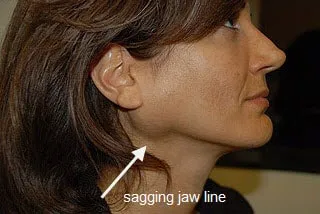
Jaw Lump or Mass
Lump Near the Jaw or Ear
One of the most common reasons patients seek evaluation is the discovery of a lump near the jaw, ear, or upper neck, an area corresponding anatomically to the parotid gland.

May Indicate
- Benign parotid tumors
- Malignant tumors
- Enlarged lymph nodes
- Inflammatory conditions
- Cystic lesions
When to Be Concerned
- Rapid growth
- Firm or fixed mass
- Facial weakness
- Persistent or worsening pain
Key Features
- Duration of presence
- Growth rate
- Pain or tenderness
- Mobility vs. fixation
- Facial nerve function

Swelling with Eating
Why Salivary Glands Swell During Meals
Swelling that occurs during meals is one of the most characteristic symptoms of salivary gland obstruction. When you eat, your salivary glands produce more saliva. If a duct is blocked, saliva accumulates, pressure builds, and the gland becomes swollen and painful.
Most Common Cause
Salivary gland stones (sialolithiasis), calcified deposits that block saliva flow within the ducts.
Untreated Risks
- Recurrent infections
- Chronic gland damage
- Abscess formation
Facial Weakness
Facial Weakness and Its Significance
The facial nerve runs directly through the parotid gland, controlling expression, eye closure, and facial symmetry. Weakness in this area is one of the most clinically significant symptoms in salivary gland disease.
What This May Indicate
- Malignant parotid tumors
- Advanced benign tumors compressing the nerve
- Inflammatory or neurologic conditions
Key Signs to Watch For
- Drooping on one side of the face
- Difficulty closing the eye
- Asymmetric smile
- Weakness when raising eyebrows
Facial nerve involvement significantly raises concern for malignancy. Any new facial weakness should be evaluated immediately by a specialist.
Persistent Facial Swelling
When Swelling Is Not Meal-Related
Not all salivary gland swelling is related to eating. Persistent swelling may indicate tumors, chronic inflammation, autoimmune disease, or parotid hypertrophy.
Features to Evaluate
Special Consideration: Bilateral Swelling
Bilateral (both sides) swelling is often associated with systemic conditions, eating disorders (e.g., bulimia nervosa), or metabolic/autoimmune processes.
Additional Symptoms
Other Important Symptoms to Recognize
Pain in the Salivary Glands
Pain can provide important clues. Sharp pain with eating suggests obstruction; constant throbbing suggests infection; mild or absent pain is more typical of tumors.
- Persistent pain
- Pain associated with swelling
- Accompanied by fever
- Recurrent episodes
Dry Mouth (Xerostomia)
Dry mouth may seem minor but can indicate autoimmune disease (Sjögren's syndrome), medication side effects, radiation therapy, or chronic gland damage.
- Difficulty swallowing
- Increased dental decay
- Sticky or thick saliva
- Burning sensation
Bad Taste or Drainage
A foul taste or pus draining into the oral cavity may indicate salivary gland infection (sialadenitis) or an obstructed duct with secondary infection.
- Swelling
- Pain and fever
- Redness over the gland
- Pus drainage
Recurrent Swelling or Infection
Repeated episodes suggest an underlying structural problem such as salivary stones, duct strictures, or chronic inflammatory conditions.
- Episodes become more frequent
- Gland damage progresses
- Chronic dysfunction develops
Cosmetic Facial Changes
Changes in facial contour may result from parotid tumors, chronic swelling, or parotid hypertrophy. Patients with bulimia may develop bilateral cheek enlargement.
- Facial asymmetry
- Changes in appearance
- Social and psychological impact
Numbness, Trismus & Other Signs
Sensory changes, numbness, or difficulty opening the mouth may indicate tumor involvement, nerve compression, or advanced disease requiring prompt evaluation.
- Unexplained facial numbness
- Difficulty opening mouth
- Altered sensation
When to Seek Care
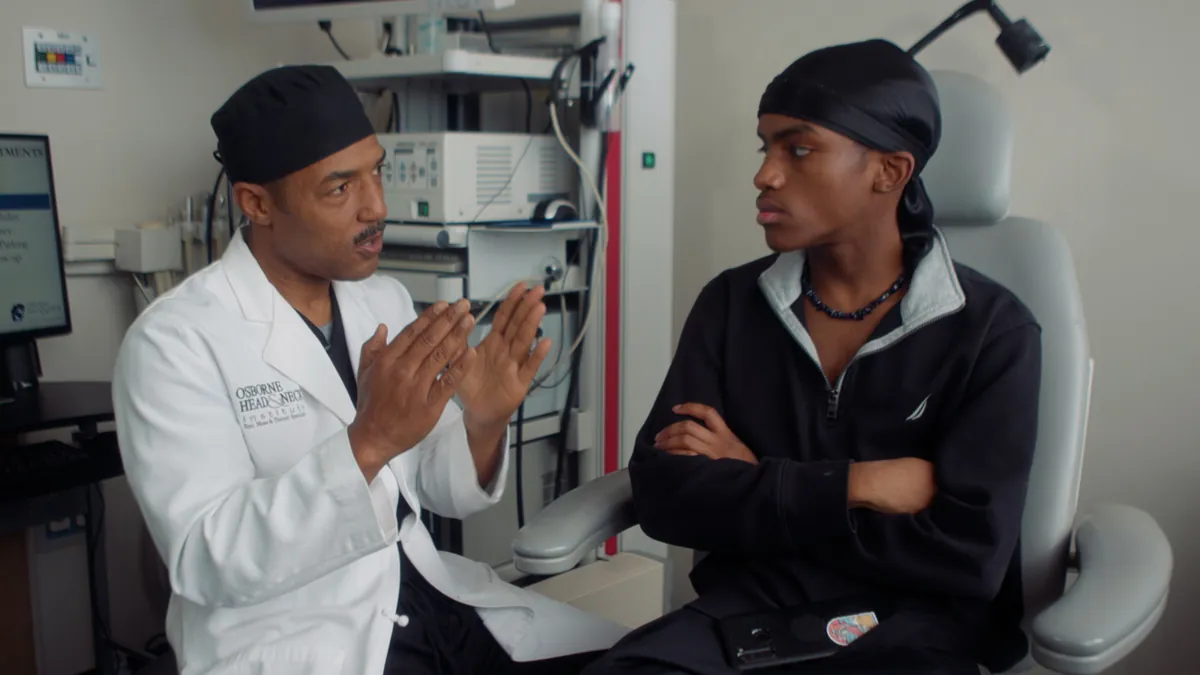
When Should You See a Specialist?
Early diagnosis allows for more treatment options, less invasive procedures, and better outcomes.
- A persistent lump near the jaw or ear
- Swelling with meals
- Facial weakness or asymmetry
- Recurrent infections
- Unexplained facial swelling
- Pain that does not resolve
- Changes in facial appearance
Diagnostic Approach
A structured evaluation may include:
Philosophy
Treatment Philosophy
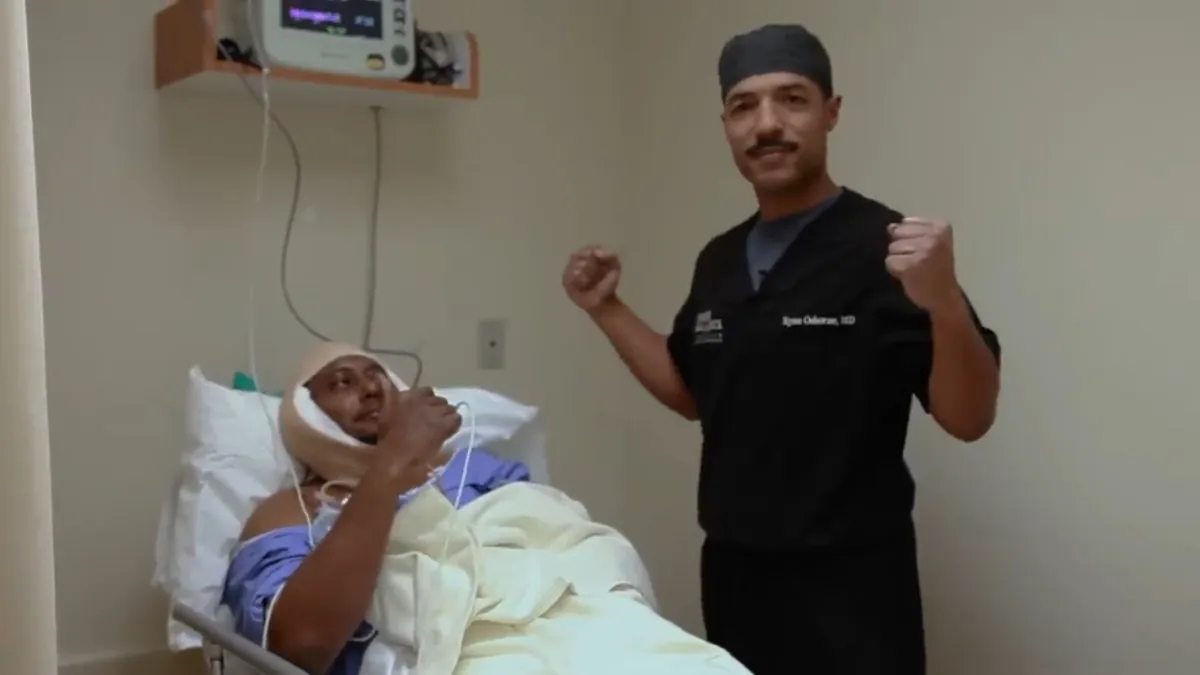
Precision Diagnosis
Each symptom must be evaluated in context. Not all lumps are tumors. Not all swelling is obstruction. Not all pain is infection. Accurate diagnosis is the foundation of effective treatment.
Minimally Invasive First
Whenever possible, treatment should prioritize gland preservation, minimally invasive techniques, and functional outcomes.
Expertise Matters
Salivary gland disorders are highly specialized. Optimal care requires experience with salivary anatomy, advanced diagnostic capability, and surgical precision when needed.
PATIENT EDUCATION
Salivary Gland Symptom FAQs
Parotid surgery is generally safe when performed by experienced surgeons with subspecialty expertise. The most significant risk involves the facial nerve. Temporary weakness can occur, but permanent injury is uncommon in expert hands. Modern techniques have significantly reduced complication rates.
Most patients recover within several weeks. Initial swelling improves within 1–2 weeks, and many return to normal activities within 2–4 weeks. Full healing continues over several months.
The most common symptoms include a lump near the jaw, swelling during meals, and intermittent pain. Each symptom points to different underlying conditions, making proper evaluation essential.
Not always, but they should never be ignored. Many conditions are benign and treatable, especially when identified early. However, some symptoms, like facial weakness, require urgent evaluation.
Yes. Many conditions, including stones and duct obstruction, can be treated with minimally invasive techniques such as sialendoscopy. Surgery is reserved for select cases.
Salivary Gland Symptoms
Salivary gland symptoms are often early warning signs of underlying disease. While some may seem minor, they can represent conditions that benefit from timely diagnosis and specialized care. The earlier the evaluation, the more treatment options are available, and the better the outcome.
If you are experiencing any of the symptoms described above, consultation with a salivary gland specialist is the most important next step.
Why Choose OHNI
Not Big Medicine | Personalized, Global Expertise
Many patients assume the best care is found at large, well-known institutions. While these centers offer excellent care, they often operate within standardized systems shaped by regional training models.
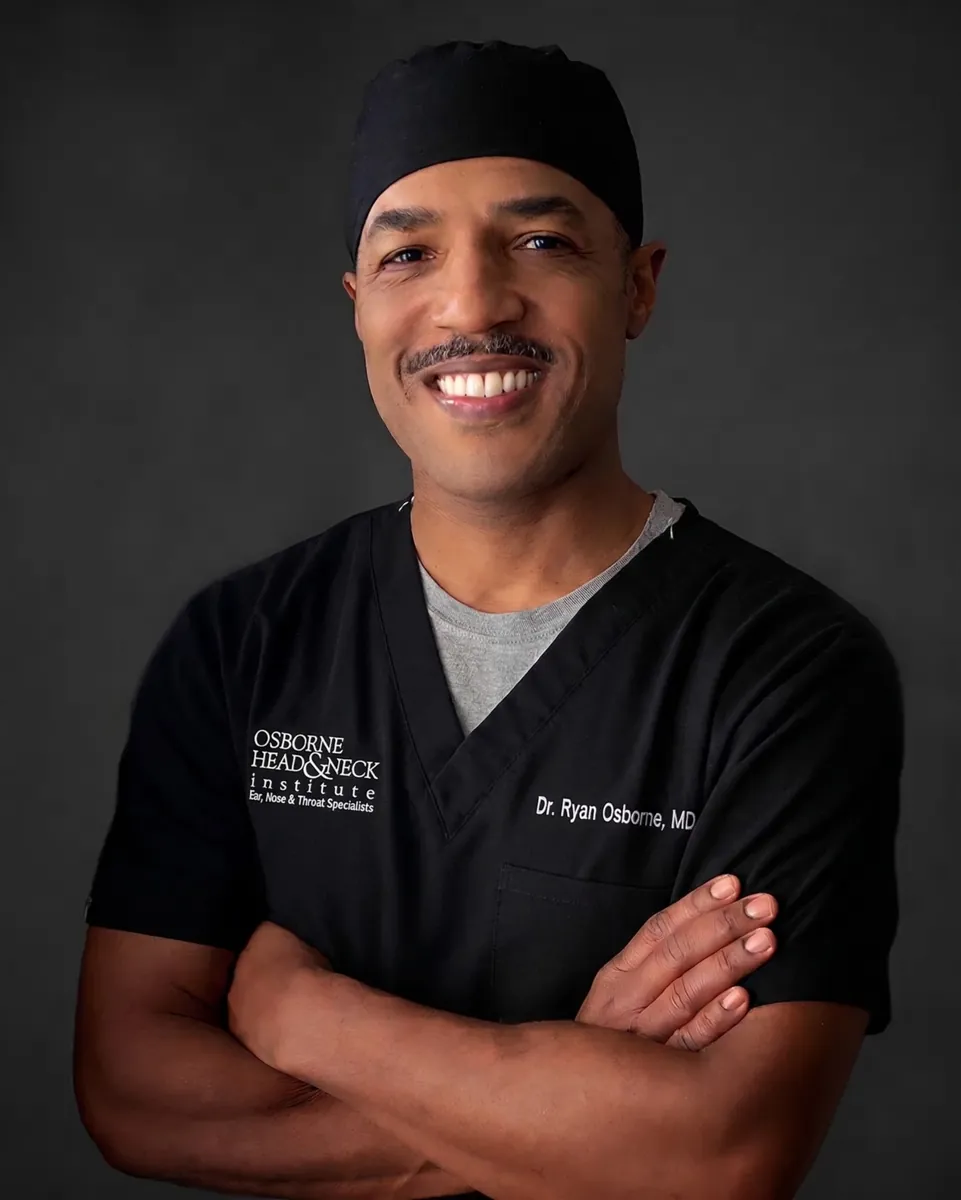
At OHNI, Dr. Ryan Osborne offers something fundamentally different: a truly global perspective combined with highly personalized surgical care with experience across five continents, tailoring each procedure to the individual patient, not the system.
Global Perspective
Experience across five continents, applying diverse surgical philosophies and techniques beyond standard U.S. training.
Precision & Preservation
Specialized techniques like Extra-Capsular Dissection designed to minimize invasiveness while protecting the facial nerve.
Patient-First Care
Direct surgeon access, individualized treatment planning, and a focus on both medical outcomes and quality of life.
Proven Outcomes
Patients consistently highlight clear communication, confident surgical decisions, and excellent functional results.
Expert Evaluation of Salivary Gland Symptoms
Our specialists provide expert evaluation and treatment for all salivary gland conditions. Early diagnosis leads to better outcomes and more treatment options.
Become a Patient
Contact the Osborne Head & Neck Institute for expert evaluation of salivary gland symptoms and conditions.