
Osborne Head & Neck Institute | Los Angeles
Lump Behind Ear
Causes, Symptoms, and When to Be Concerned
Ryan F. Osborne, MD | Fellowship-Trained Head & Neck Surgical Oncologist
Medically Reviewed By: OHNI Clinical Staff · Last Updated: November 3, 2026
Overview
What Does a Lump Behind the Ear Mean?
A lump behind the ear refers to any abnormal swelling, mass, or enlargement in the region located just behind or below the ear. This may involve lymph nodes, the parotid gland, skin or soft tissue structures, or bone and cartilage.
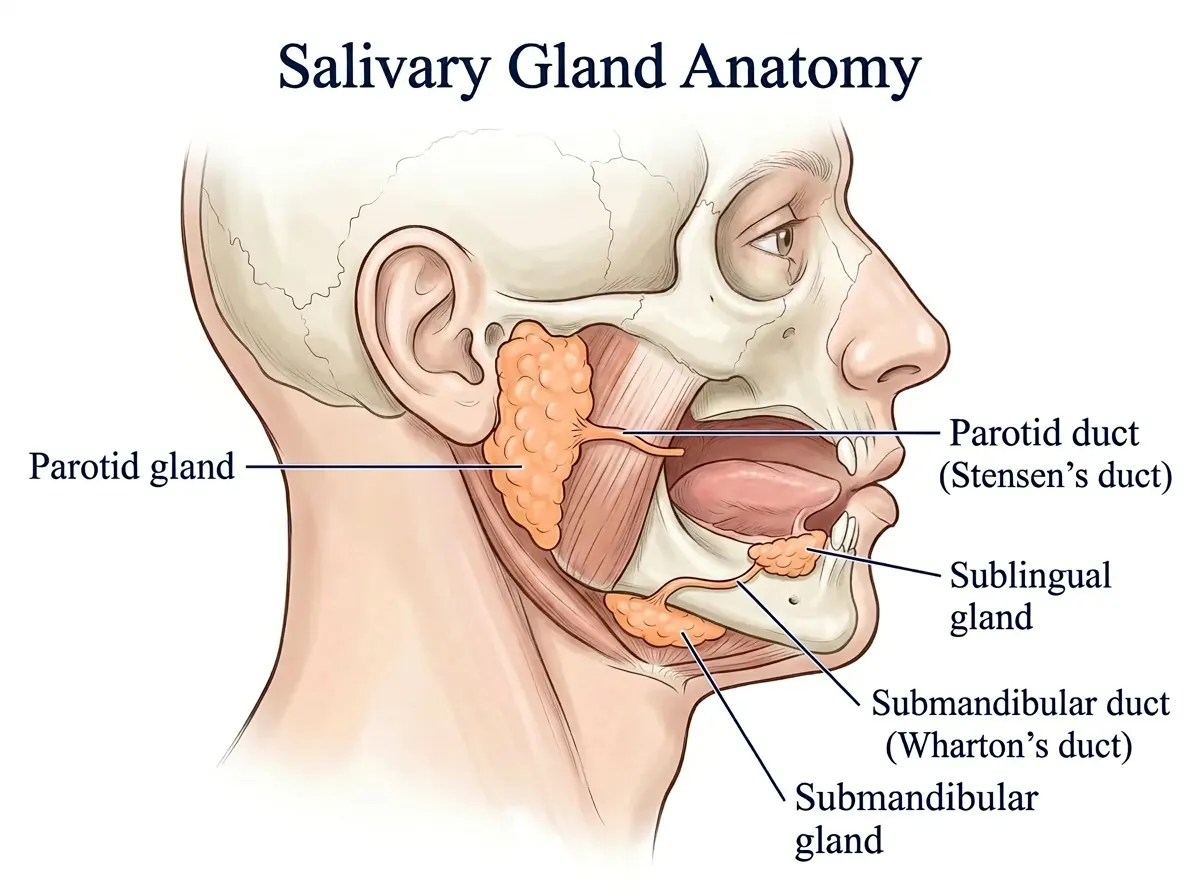
One of the most clinically important considerations is whether the lump involves the parotid gland, which sits just in front of and extends behind the ear. Parotid gland tumors are among the most common causes of persistent lumps in this area1.
Anatomy
Lump Behind Ear and the Parotid Gland
The parotid glands are major salivary glands responsible for producing saliva, which aids in digestion and oral health. They are located on both sides of the face, extending from the front of the ear to the area behind it.
Medical research shows that the majority of salivary gland tumors occur in the parotid gland, making it a key structure to evaluate when a lump appears near or behind the ear3,8.
- Most parotid tumors are benign
- Approximately 75–80% are non-cancerous
- A smaller percentage may be malignant and require prompt treatment¹⁰,⁸
Differential Diagnosis
Common Causes of a Lump Behind the Ear

Enlarged Lymph Nodes
The most common cause. Lymph nodes can enlarge due to viral infections, bacterial infections, or ear and scalp infections. These lumps are typically tender, soft, movable, and temporary.
Parotid Gland Tumors
One of the most important causes of a persistent lump behind or near the ear. These tumors typically present as a painless, slow-growing, firm or rubbery lump⁴.
Skin Cysts & Benign Growths
Epidermoid cysts, sebaceous cysts, and lipomas are usually slow-growing, non-tender, and located just under the skin. Evaluation may be needed to rule out more serious conditions.
Infections & Abscesses
Localized infections can cause pain, redness, warmth, and fever behind the ear. They often develop rapidly and may require antibiotics or drainage.
Salivary Gland Disorders
Salivary duct obstruction, inflammatory conditions, and autoimmune disorders may cause intermittent swelling, especially during meals.
Rare but Serious Causes
In rare cases, a lump may be caused by malignant salivary gland tumors, metastatic cancer, or lymphoma. Although uncommon, these require prompt diagnosis and treatment⁹.
Symptoms
Symptoms to Watch For
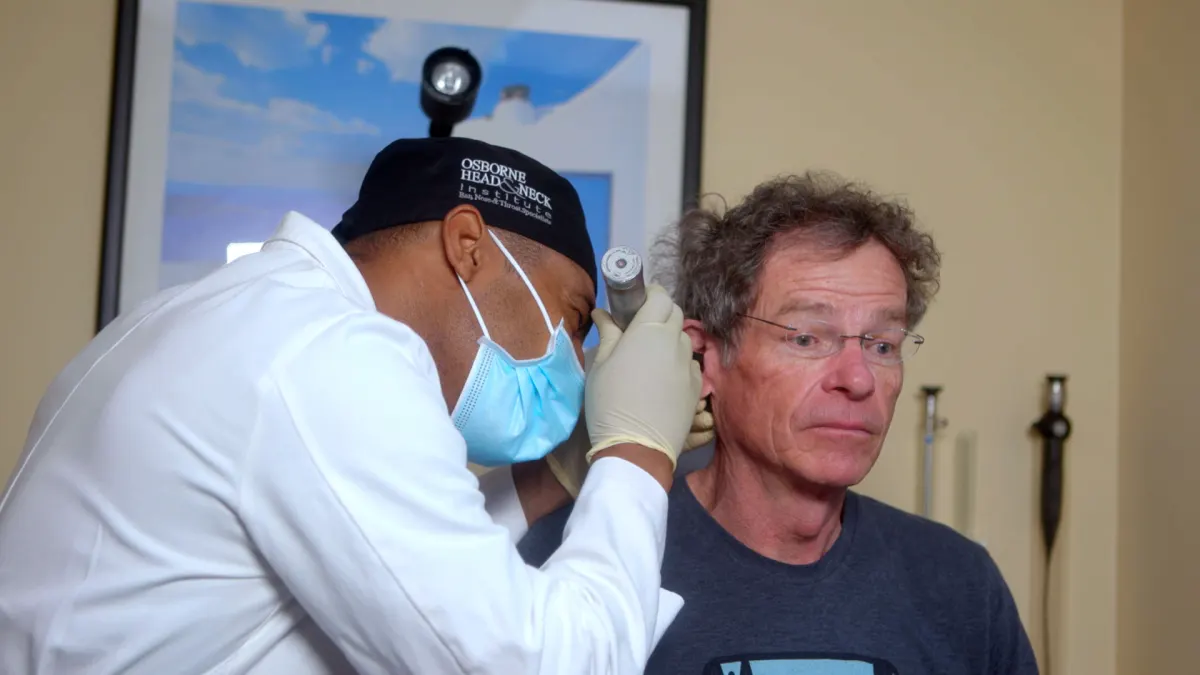
Common Benign Features
- Soft or slightly firm lump
- Movable under the skin
- Tenderness (especially with infection)
- Temporary swelling
Concerning Symptoms
- Persistent lump lasting more than 2–3 weeks
- Gradual increase in size
- Firm or fixed mass
- Facial weakness or asymmetry
- Numbness in the face
- Difficulty opening the mouth
- Pain that does not resolve
Facial nerve weakness in the presence of a salivary gland mass is a strong indicator of possible malignancy7.
Clinical Significance
Why Parotid Tumors Are Important to Recognize

Parotid tumors deserve special attention because they often present subtly. Key clinical features include slow growth over time, lack of pain in early stages, and location near or behind the ear.
Studies confirm that parotid tumors frequently develop as painless, slow-growing masses, which can delay diagnosis if ignored4,1. Although most are benign, malignant tumors can involve the facial nerve and surrounding tissues, making early detection critical.
Diagnosis
How a Lump Behind the Ear Is Evaluated
Physical Examination
- Size and location of the lump
- Texture and mobility
- Signs of infection or inflammation
- Facial nerve function
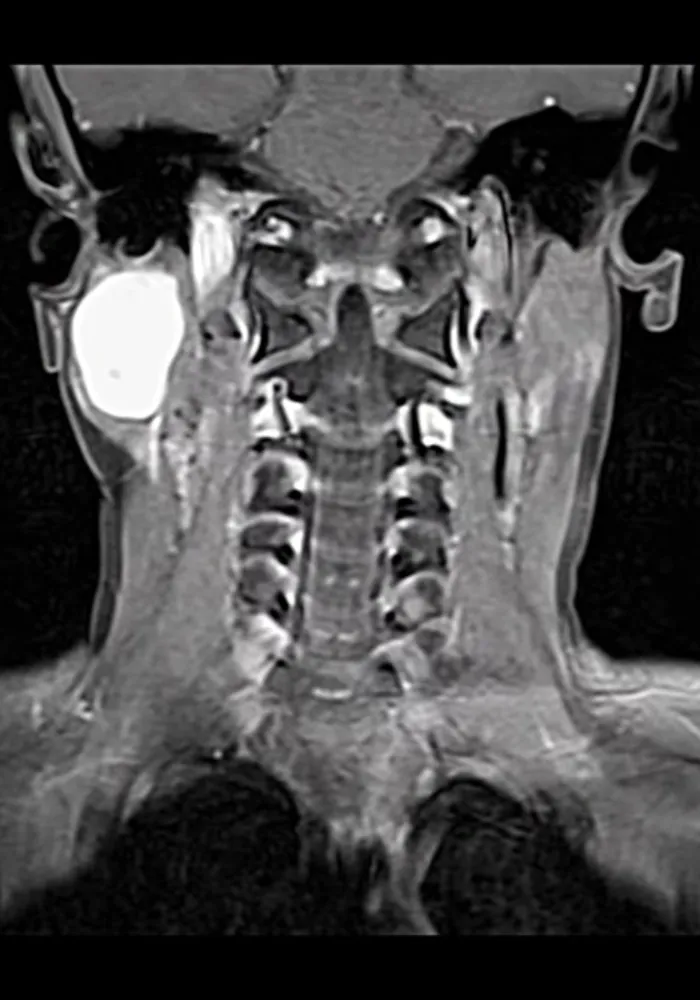
Imaging Studies
- Ultrasound
- CT scan
- MRI
- Identifying origin of the mass⁵
Fine-Needle Aspiration Biopsy
- Whether lump is benign or malignant
- Specific tumor type
- Key diagnostic tool for salivary gland tumors
Treatment
Treatment Options
Benign Conditions
- Observation
- Antibiotics for infections
- Drainage of abscesses
- Removal of cysts if needed
Parotid Tumors
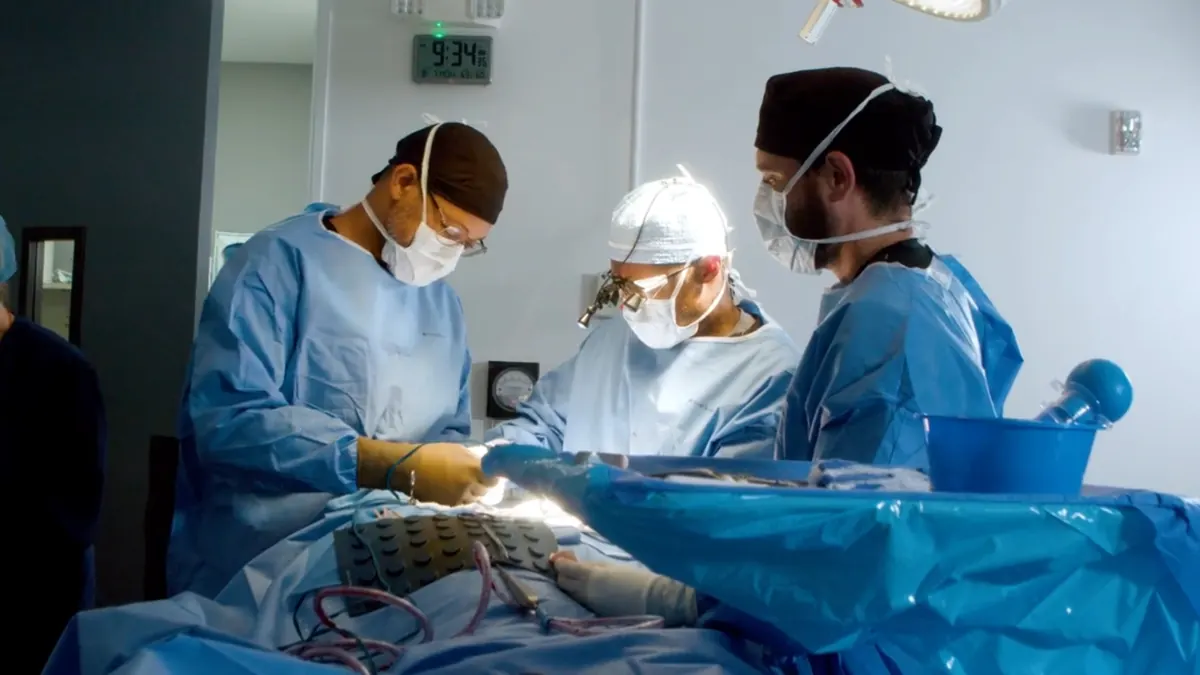
The primary treatment is surgical removal (parotidectomy)4,10.
If surgery is recommended, Parotidectomy Recovery explains what to expect afterward, and Parotid Surgery Risks covers possible complications.
- Remove the tumor completely
- Preserve the facial nerve
- Prevent recurrence
Malignant Tumors
If cancer is diagnosed, treatment may include:
- Surgery
- Radiation therapy
- Multidisciplinary care
Early diagnosis significantly improves outcomes.
Next Steps
When to See a Specialist
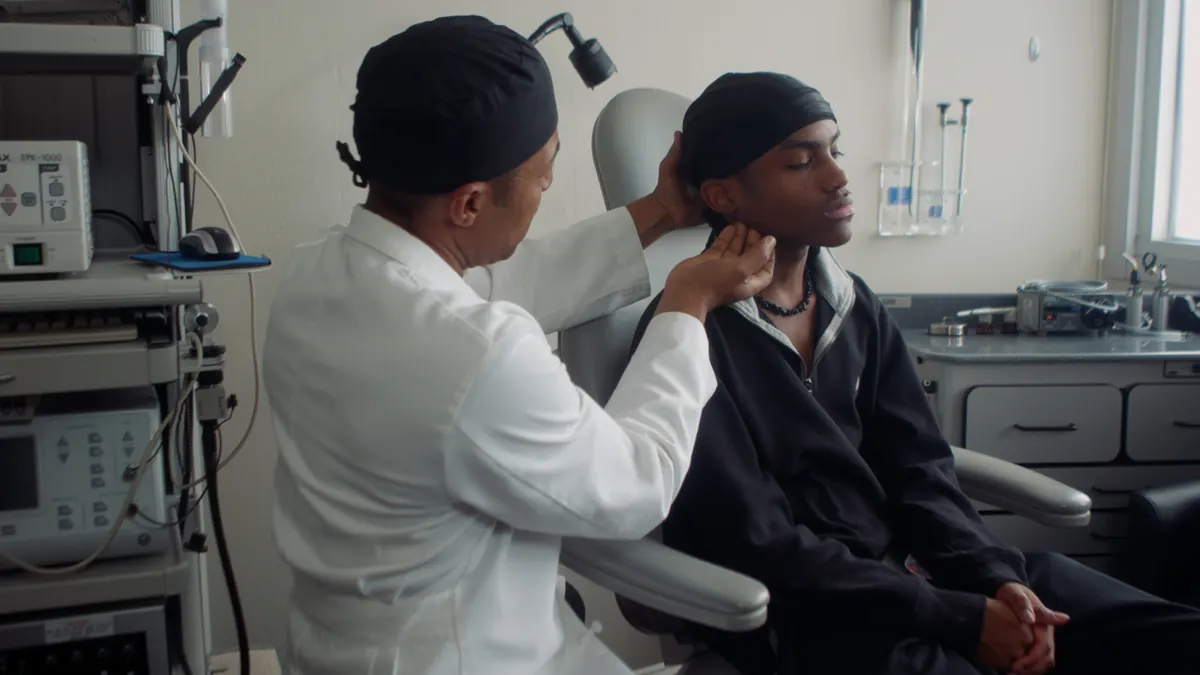
Guidelines recommend evaluation of any persistent or enlarging head and neck mass, as early diagnosis improves treatment success6. You should seek medical evaluation if you notice:
A lump behind the ear that persists beyond 2–3 weeks
Gradual growth of a mass
Facial weakness or numbness
Pain that does not resolve
Patient Education
Frequently Asked Questions
Most lumps are benign, such as swollen lymph nodes or cysts. However, persistent lumps should be evaluated to rule out tumors.
The most common cause is an enlarged lymph node due to infection.
Yes. Because the parotid gland extends behind the ear, tumors in this gland can present as lumps in this area.
You should be concerned if the lump is growing, persistent, firm, or associated with facial weakness or pain.
No. Only certain conditions, such as tumors, require surgery. Many causes are benign and resolve with treatment or observation.
Further Reading
Related Pages
References
- StatPearls. Parotid Cancer and salivary gland tumor overview. (NCBI)
- Mayo Clinic. Parotid tumor symptoms and facial nerve involvement.
- Johns Hopkins Medicine. Parotid gland anatomy and tumor prevalence.
- Merck Manual Professional Edition. Salivary gland tumor presentation and treatment.
- Mayo Clinic Health System. Diagnosis of salivary gland conditions.
- Penn Medicine. Evaluation and referral guidelines for salivary gland masses.
- Clinical presentation of salivary gland tumors and red flag symptoms. (Patient)
- MSD Manual. Epidemiology and characteristics of parotid tumors.
- Dana-Farber Cancer Institute. Causes of lumps behind the ear.
- Mayo Clinic. Salivary gland tumor overview and treatment.

Why Choose OHNI
Not Big Medicine | Personalized, Global Expertise
Many patients assume the best care is found at large, well-known institutions. While these centers offer excellent care, they often operate within standardized systems shaped by regional training models.
At OHNI, Dr. Ryan Osborne offers something fundamentally different: a truly global perspective combined with highly personalized surgical care with experience across five continents, tailoring each procedure to the individual patient, not the system.
Global Perspective
Experience across five continents, applying diverse surgical philosophies and techniques beyond standard U.S. training.
Precision & Preservation
Specialized techniques like Extra-Capsular Dissection designed to minimize invasiveness while protecting the facial nerve.
Patient-First Care
Direct surgeon access, individualized treatment planning, and a focus on both medical outcomes and quality of life.
Proven Outcomes
Patients consistently highlight clear communication, confident surgical decisions, and excellent functional results.
Expert Salivary Gland Care
A lump behind the ear is a common symptom with many possible causes, most of which are benign. However, because this area includes the parotid gland, it is essential to approach any persistent or unexplained lump with caution. If you notice a lump that does not resolve or continues to grow, seeking expert care is the most important step you can take. Lump behind ear evaluation at OHNI begins with the simplest tests and only advances as far as your findings require.
Become a Patient
Contact the Osborne Head & Neck Institute for expert evaluation and diagnosis.