Osborne Head & Neck Institute | Los Angeles
Patient Education
& Insights
Medically Reviewed By: OHNI Clinical Staff · Last Updated: November 4, 2026
Understanding Salivary Gland Conditions
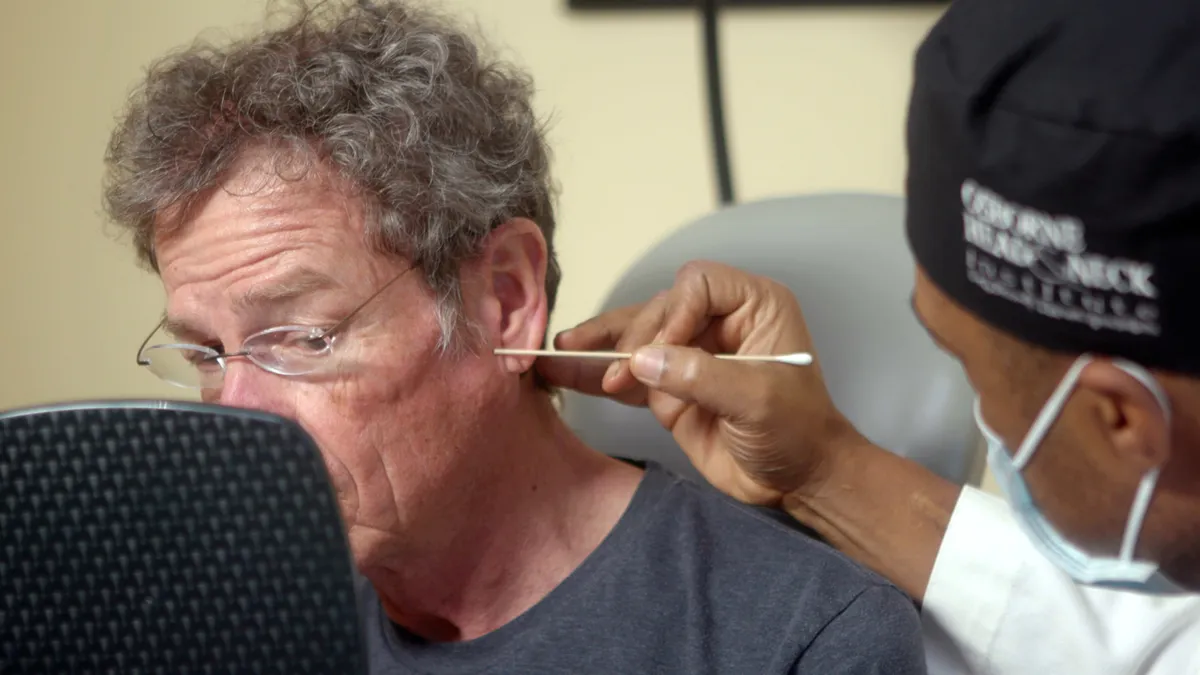
When a patient first finds a lump near the jaw or in front of the ear, the questions come fast. What is it? Is it cancer? Does it need surgery? I wrote these articles to answer those questions in plain language. They should help you have a better conversation with your own doctor, not replace one.
Most salivary gland tumors start in the parotid gland, and most parotid tumors are not cancer.1 2 Still, the only way to know what a lump is comes from a proper evaluation by a specialist.
Parotid Tumors
These articles cover the most common parotid tumors, including pleomorphic adenoma and Warthin tumor, and how they are evaluated. They also explain why the facial nerve, which runs through the parotid gland, shapes every surgical decision.2
Symptoms and Diagnosis
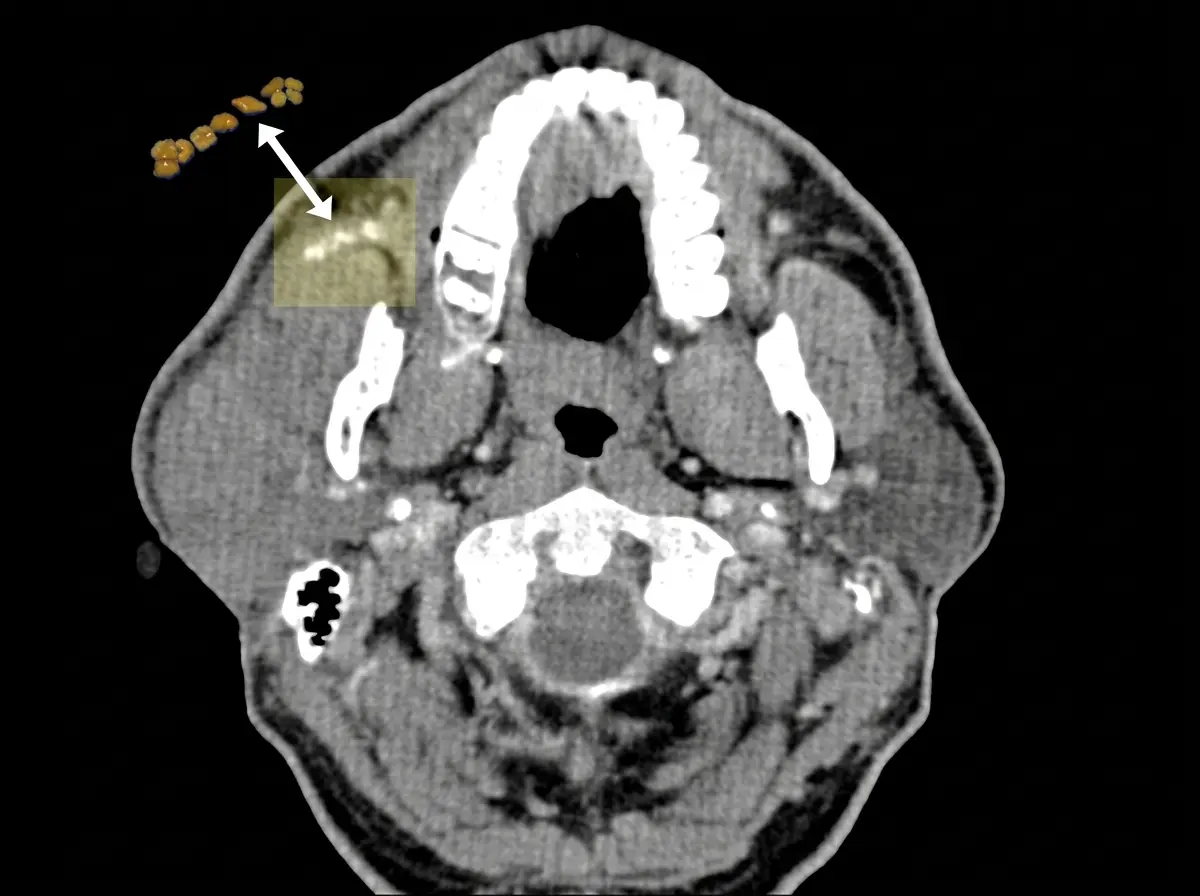
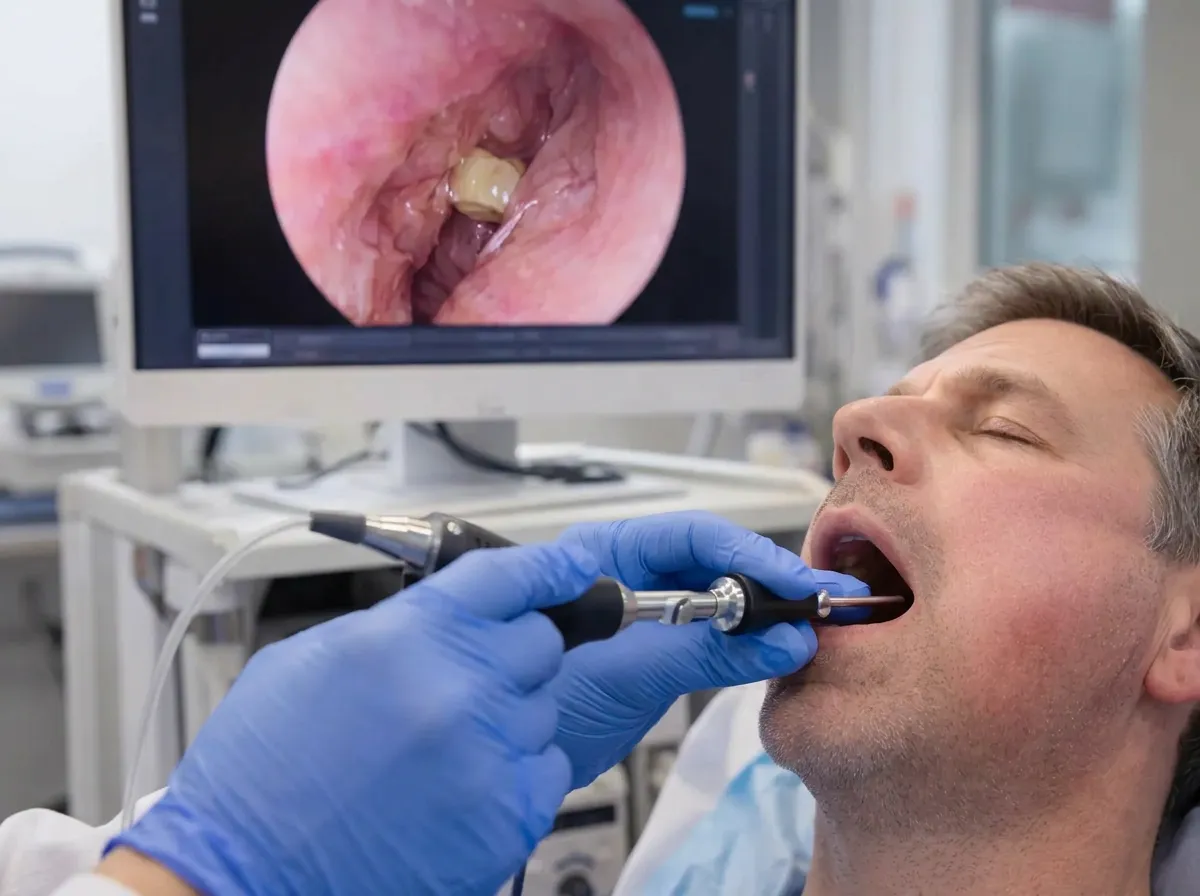
A painless lump is the most common sign of a salivary gland tumor.1 These articles explain what the usual tests involve, such as imaging and fine needle aspiration (FNA) biopsy, and what the results can and cannot tell you.1
Surgery and Recovery
These articles describe what parotid and salivary gland surgery involves, what recovery usually looks like, and the questions worth asking any surgeon before you agree to an operation.
Before You Read
Each article is written by me and reviewed by OHNI Clinical Staff under our Editorial Policy. Nothing here is a diagnosis. If you have a new or changing lump, please have it examined.
Sources: 1 National Cancer Institute, Salivary Gland Cancer Treatment (PDQ). 2 Cleveland Clinic, Parotid Tumors.