
Osborne Head & Neck Institute | Los Angeles
Salivary Gland Swelling
Causes, Symptoms, Diagnosis, and Treatment
Ryan F. Osborne, MD | Fellowship-Trained Head & Neck Surgical Oncologist
Medically Reviewed By: OHNI Clinical Staff · Last Updated: November 2, 2026
Overview
What Is Salivary Gland Swelling?
Salivary gland swelling refers to enlargement of one or more of the salivary glands due to inflammation, obstruction, infection, or tumor growth. The three major pairs of salivary glands include the parotid glands (located in front of and below the ears), submandibular glands (beneath the jaw), and sublingual glands (under the tongue).
Among these, the parotid glands are most frequently affected by tumors and infections, making swelling in this region particularly important to evaluate2.
Parotid
In front of & below the ears
Submandibular
Beneath the jaw
Sublingual
Under the tongue
Recognizing the Signs
Common Symptoms of Salivary Gland Swelling
The symptoms associated with salivary gland swelling vary depending on the underlying cause, but several key patterns are consistently observed.
Visible Swelling Near the Jaw or Ear
Parotid swelling appears near the ear and cheek. Submandibular swelling appears under the jaw. Salivary gland swelling often presents as noticeable enlargement on the side of the face or neck¹⁰.
Pain and Tenderness
Pain is commonly associated with infections and obstructions such as salivary stones. Patients may experience sharp or throbbing pain, with increased discomfort during eating⁵.
Swelling That Worsens During Meals
A classic symptom of salivary duct obstruction is swelling that increases when eating and gradually reduces after meals. This pattern is strongly associated with salivary stones⁵.
Dry Mouth (Xerostomia)
Some conditions reduce saliva production, leading to dry mouth, difficulty swallowing, and increased dental issues. Autoimmune disorders such as Sjögren's syndrome commonly cause this symptom².
Fever and General Illness
When swelling is caused by infection, patients may experience fever, fatigue, and malaise. Viral infections including mumps and influenza are well-known causes of bilateral parotid swelling².
Painless Lump or Facial Weakness
A painless, persistent swelling may indicate a tumor. In cases involving the parotid gland, facial weakness, difficulty smiling, or numbness may occur, which is concerning for malignancy⁶.
Etiology
Causes of Salivary Gland Swelling
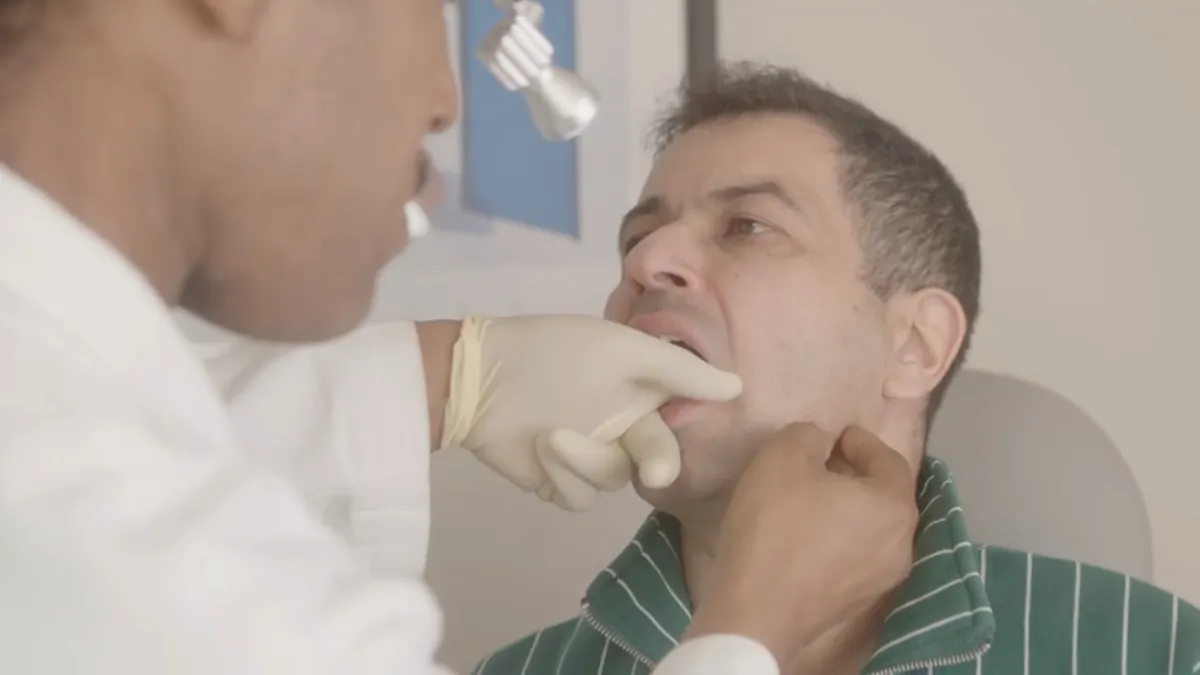
Infections (Sialadenitis)
Viral infections (mumps, influenza) are the most common cause of parotid gland swelling. Bacterial infections often occur when saliva flow is impaired¹,².
Salivary Gland Stones
Calcified deposits that block the ducts, causing pain and swelling during meals, recurrent episodes, and possible infection if untreated².
Autoimmune Disorders
Conditions such as Sjögren's syndrome cause the immune system to attack salivary glands, resulting in chronic swelling, dry mouth, and dry eyes²,⁷.
Tumors (Benign and Malignant)
Approximately 75–80% of parotid tumors are benign. Tumors often present as slow-growing, painless masses or firm lumps².
Sialadenosis
A non-inflammatory condition associated with diabetes, alcohol use, and malnutrition. Causes painless swelling without infection or tumor involvement²,⁹.
Duct Obstruction & Reduced Flow
Dehydration, medications, and poor oral hygiene can reduce saliva production, increasing the risk of infection and blockage⁰.
Critical Factor
Why Parotid Gland Swelling Is Especially Important
The parotid gland deserves special attention because it is the most common site of salivary gland stones, salivary gland tumors and it contains the facial nerve. Swelling in this area may indicate infection (parotitis), tumor, or obstruction.
Because of the risk of facial nerve involvement, any persistent parotid swelling should be evaluated promptly.
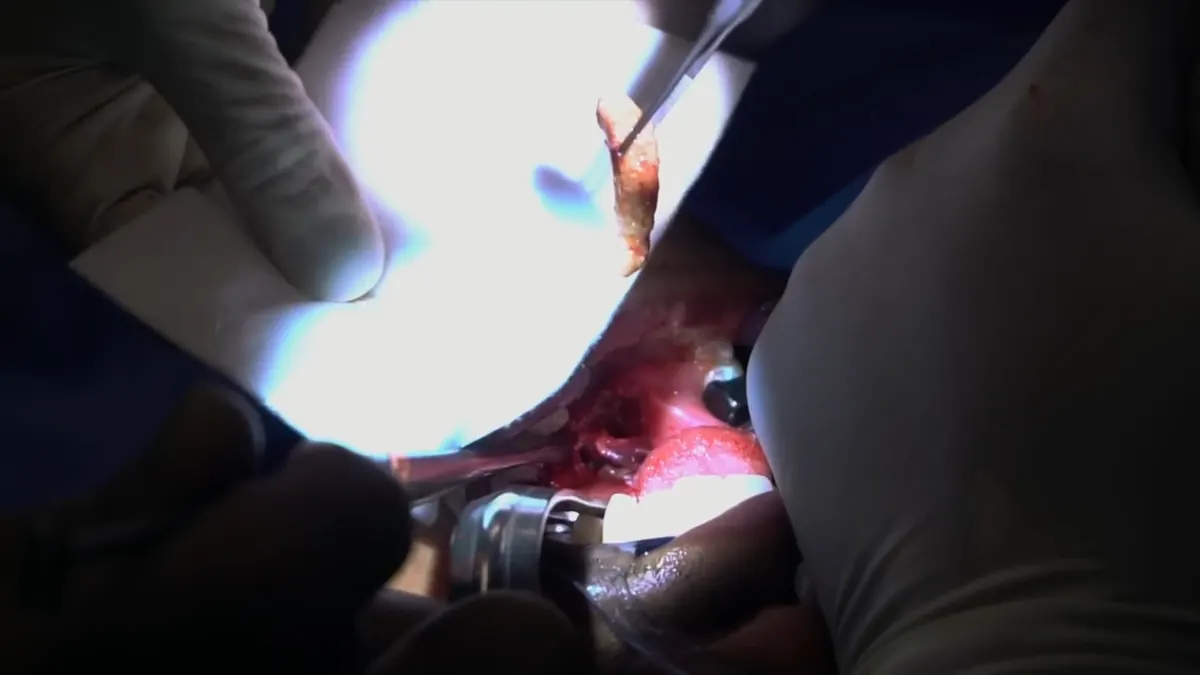
Diagnostic Process
How Salivary Gland Swelling Is Diagnosed
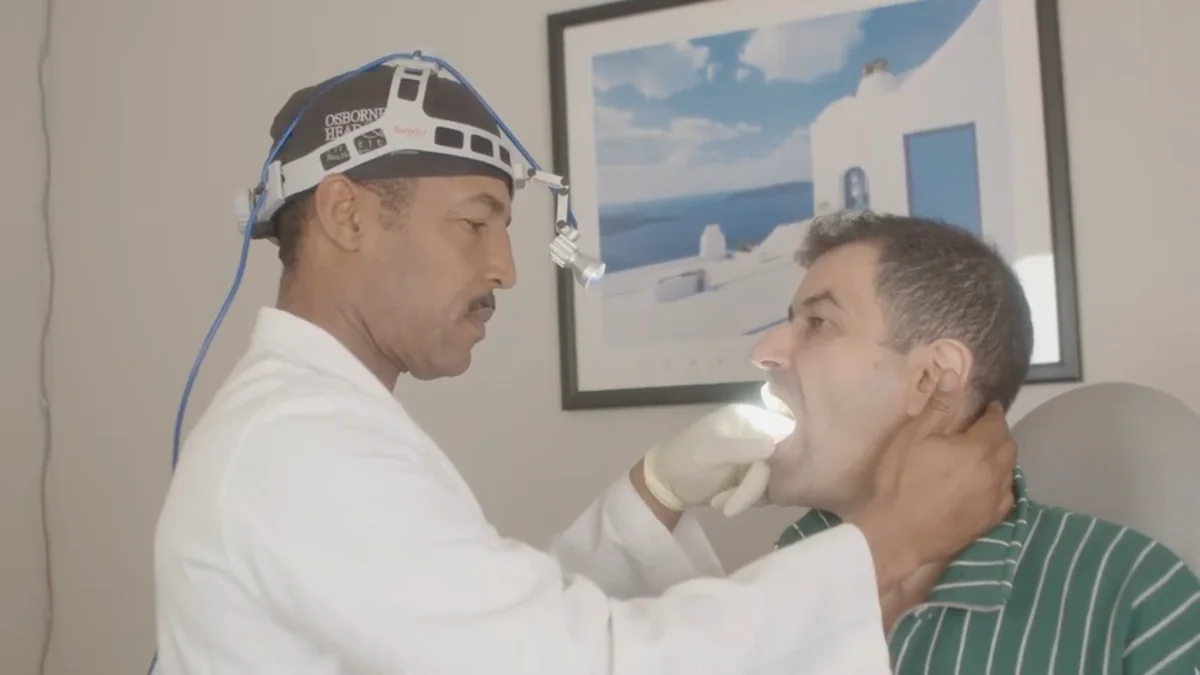
History & Physical Exam
- Duration and progression of swelling
- Associated symptoms (pain, fever, dryness)
- Facial nerve function
Imaging Studies
- Ultrasound (initial evaluation)
- CT scan or MRI (detailed imaging)
- Identifying tumors and obstructions⁶
Fine-Needle Aspiration (FNA)
- Determines benign vs malignant
- Identifies tumor type
- Minimally invasive procedure
Targeted Therapy
Treatment Options
Infections
- Antibiotics (for bacterial infections)
- Hydration and supportive care
- Pain management
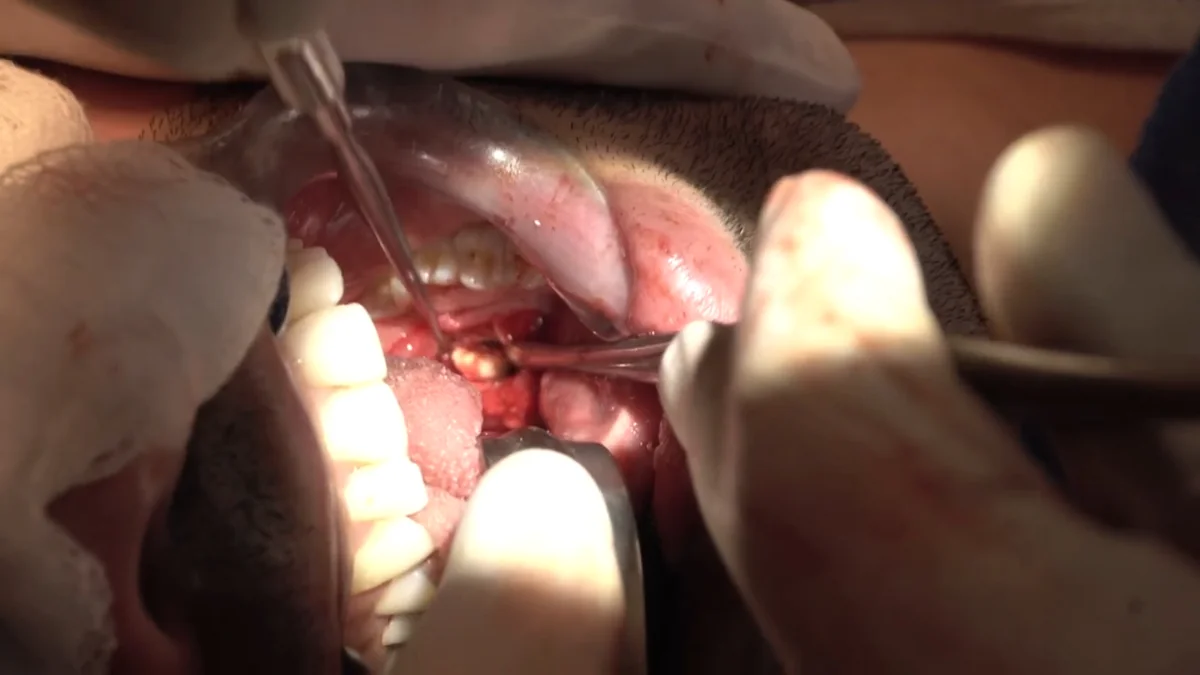
Salivary Stones
- Hydration and massage
- Minimally invasive removal
- Surgery in severe cases
Autoimmune Conditions
- Symptom management
- Medications to improve saliva flow
Tumors
- Surgical removal (parotidectomy)
- Preservation of the facial nerve
- Additional therapy for malignant cases
Don't Wait
When to See a Specialist
- Persistent swelling lasting more than 2–3 weeks
- Recurrent swelling episodes
- Pain or worsening symptoms
- Facial weakness or asymmetry
- A firm or enlarging mass
Medical guidance recommends evaluation of any persistent salivary gland swelling, as early diagnosis improves outcomes7.

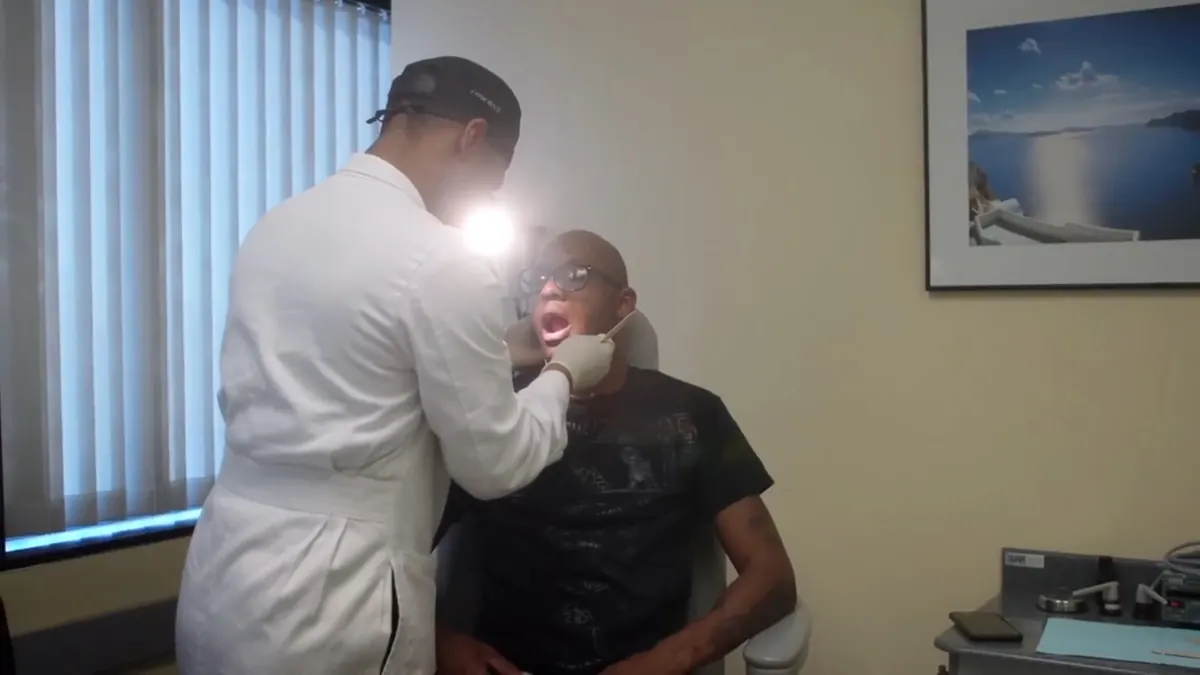
Symptoms of Salivary Gland Swelling
Salivary gland swelling is a symptom with many possible causes, ranging from minor infections to complex tumors. While many cases are benign and treatable, persistent or unexplained swelling, particularly near the parotid gland, should never be ignored.
Early diagnosis allows for more effective treatment, reduces complications, and improves long-term outcomes. If you notice ongoing swelling in your salivary glands, seeking evaluation from a specialist is the most important step you can take.
References
- Cleveland Clinic. Parotitis and causes of parotid gland swelling. Cleveland Clinic.
- American Academy of Family Physicians. Salivary gland disorders review. AAFP.
- UpToDate. Approach to salivary gland swelling. UpToDate.
- WebMD. Salivary gland problems and causes. WebMD.
- Merck Manual. Salivary gland disorders and obstruction. Merck Manuals.
- Mayo Clinic Health System. Diagnosis of salivary gland conditions. Mayo Clinic Health System.
- Harvard Health. Salivary gland disorders overview. Harvard Health.
- BMJ Clinical Review. Salivary gland swellings. BMJ.
- Diagnostic work-up of salivary gland disorders. PMC.
Patient Education
Frequently Asked Questions
The most common causes are infections and salivary duct obstruction.
No. Many cases are benign, but persistent swelling should be evaluated to rule out tumors.
Eating stimulates saliva production, which increases pressure if a duct is blocked.
Yes, especially if caused by infection or mild blockage, but persistent cases require evaluation.
You should be concerned if the swelling is persistent, growing, painful, or associated with facial weakness.

Why Choose OHNI
Not Big Medicine | Personalized, Global Expertise
Many patients assume the best care is found at large, well-known institutions. While these centers offer excellent care, they often operate within standardized systems shaped by regional training models.
At OHNI, Dr. Ryan Osborne offers something fundamentally different: a truly global perspective combined with highly personalized surgical care with experience across five continents, tailoring each procedure to the individual patient, not the system.
Global Perspective
Experience across five continents, applying diverse surgical philosophies and techniques beyond standard U.S. training.
Precision & Preservation
Specialized techniques like Extra-Capsular Dissection designed to minimize invasiveness while protecting the facial nerve.
Patient-First Care
Direct surgeon access, individualized treatment planning, and a focus on both medical outcomes and quality of life.
Proven Outcomes
Patients consistently highlight clear communication, confident surgical decisions, and excellent functional results.
Expert Evaluation of Salivary Gland Swelling
Our specialists provide expert evaluation and treatment for all causes of salivary gland swelling. Early diagnosis leads to better outcomes and more treatment options.
Become a Patient
Contact the Osborne Head & Neck Institute for expert evaluation of salivary gland swelling and related conditions.