Osborne Head & Neck Institute | Los Angeles
Xerostomia (Dry Mouth)
Causes, Diagnosis & Advanced Treatment
Ryan F. Osborne, MD | Fellowship-Trained Head & Neck Surgical Oncologist
Medically Reviewed By: OHNI Clinical Staff · Last Updated: November 3, 2026
Understanding the Condition
Salivary Function & Xerostomia
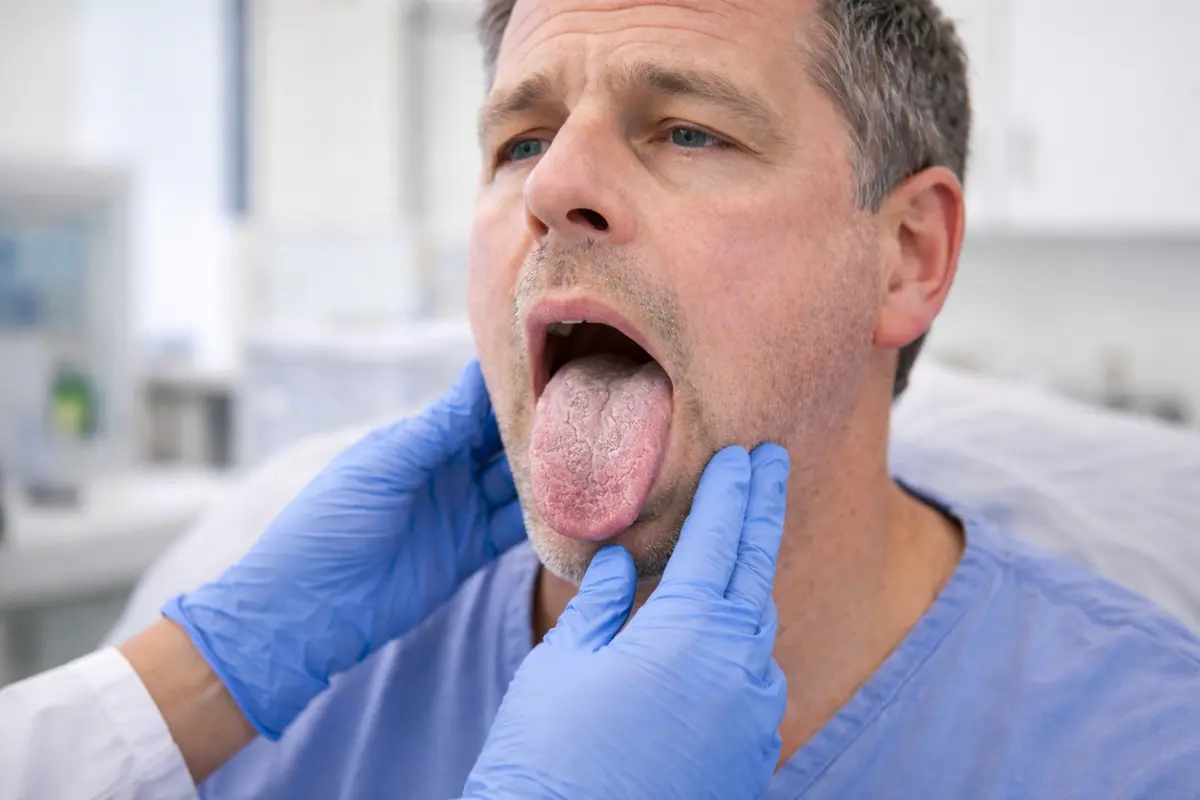
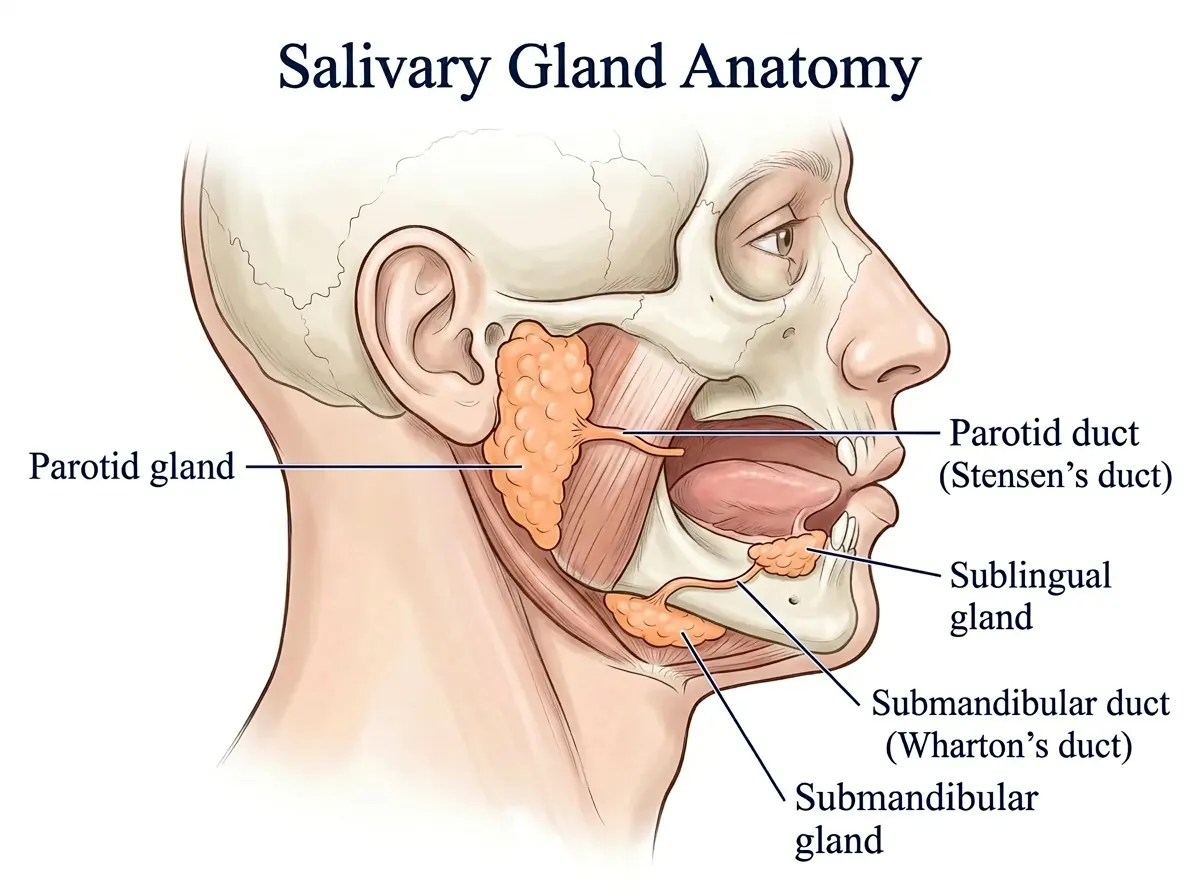
Xerostomia is the medical term for dry mouth, the feeling that there is not enough saliva in the mouth. Saliva plays a critical protective role in the oral cavity. When salivary production is reduced, patients may experience not only dryness, but also difficulty eating, altered taste, increased dental disease, and mucosal discomfort.
Etiology
Causes of Xerostomia
Xerostomia may result from a variety of local and systemic factors. Identifying etiology is essential for guiding treatment.
Radiation-Induced Xerostomia
Radiation therapy for head and neck cancers is a leading cause of permanent salivary gland dysfunction. Damage to glandular tissue reduces saliva production and may be progressive.
Autoimmune Disease (Sjögren's Syndrome)
Sjögren's syndrome is a chronic autoimmune condition characterized by lymphocytic destruction of salivary glands, causing persistent dry mouth, dry eyes, and systemic manifestations.
Medication-Induced Dry Mouth
Numerous medications can reduce salivary flow, including anticholinergics, antidepressants, and antihypertensives. This is one of the most common and potentially reversible causes.
Other Contributing Factors
Aging-related gland changes, dehydration, and chronic inflammatory salivary disease may also contribute to reduced salivary function.
Clinical Presentation
Symptoms of Xerostomia
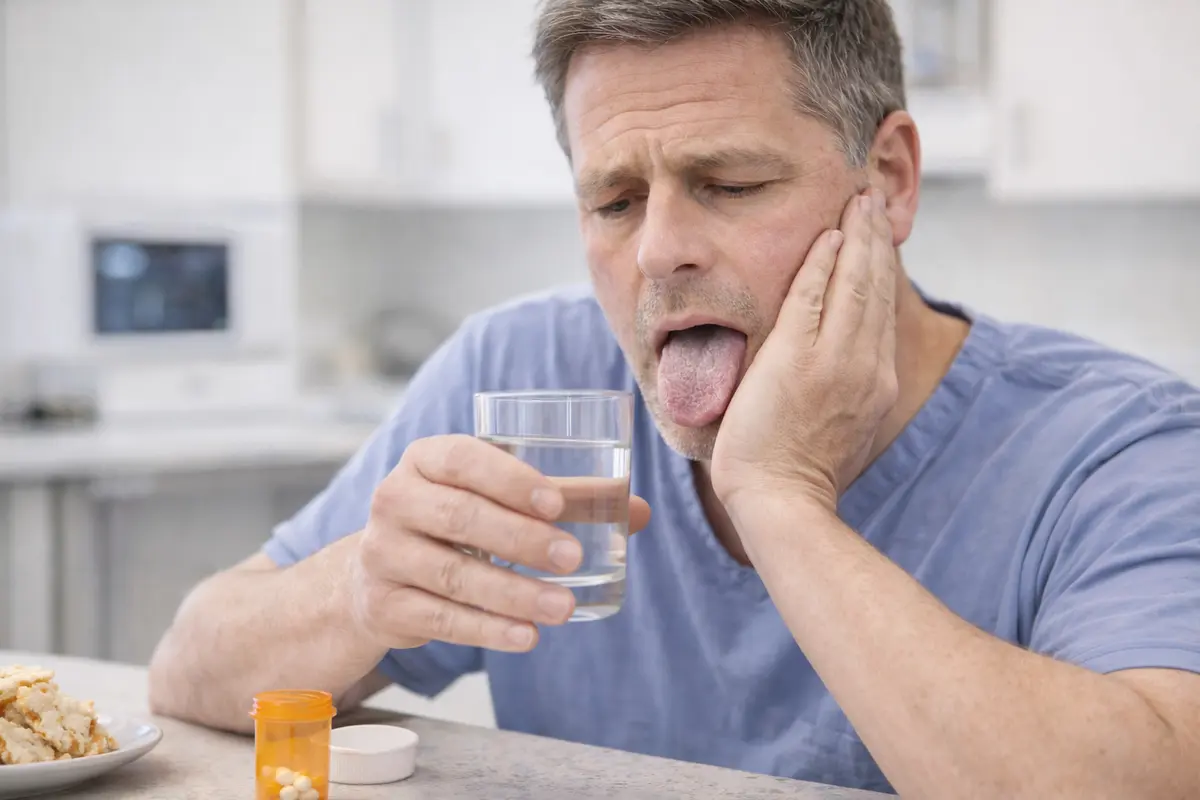
Symptoms may vary depending on the severity of gland dysfunction and underlying cause:
Persistent oral dryness
Difficulty swallowing dry foods
Altered taste sensation
Increased dental cavities
Oral burning or irritation
Precision Diagnostics
Diagnostic Evaluation
Accurate diagnosis requires integration of clinical findings and imaging.
Clinical Assessment
Detailed history and physical examination focused on identifying contributing factors and assessing symptom severity.
Salivary Function Testing
Objective measurement of salivary flow to quantify gland output and guide treatment planning.
Imaging & Additional Testing
In selected cases, imaging or biopsy may be necessary to evaluate for underlying structural or autoimmune disease.
Management Strategies
Treatment of Xerostomia
Management strategies are tailored to the underlying cause and degree of gland dysfunction.
Saliva Preservation & Stimulation
When residual gland function exists, efforts focus on hydration strategies, salivary stimulants, and pharmacologic agents.
Radiation-Induced Management
Patients with radiation-related gland damage may benefit from advanced therapies aimed at preserving or restoring function.
Autoimmune Disease Management
Treatment of Sjögren's syndrome involves symptomatic management and coordination with rheumatology for systemic disease control.
Supportive Care
Oral hygiene optimization, fluoride treatments to prevent decay, and saliva substitutes when necessary.
Our Approach
Treatment Philosophy
Preservation of Residual Function
Even limited salivary gland activity can be clinically meaningful. Treatment strategies maximize remaining function whenever possible.
Multidisciplinary Care
Xerostomia often intersects with oncology, rheumatology, and dentistry. Coordinated care improves both symptom control and long-term outcomes.
Individualized Therapy
No single treatment approach is universally effective. Management must be tailored to the patient's specific condition, severity, and goals.
Don't Wait
When to Seek Specialist Care
Early intervention can significantly improve symptoms and prevent complications. Seek evaluation if you experience:
Persistent dry mouth lasting several weeks or longer
Difficulty eating or speaking due to dryness
Rapid progression of dental issues
History of radiation therapy or autoimmune disease
PATIENT EDUCATION
Xerostomia (Dry Mouth) FAQs
Xerostomia can be caused by medications, radiation therapy, autoimmune diseases like Sjögren's syndrome, dehydration, and aging. Over 400 medications list dry mouth as a side effect.
While not immediately dangerous, chronic dry mouth significantly increases the risk of tooth decay, oral infections, difficulty eating and speaking, and reduced quality of life.
Treatment depends on the underlying cause. Some cases are reversible (e.g., medication-related), while others require ongoing management to maintain comfort and oral health.
Treatment options include saliva substitutes, prescription medications that stimulate saliva production, lifestyle modifications, and addressing underlying causes such as medication changes.
You should seek evaluation if dry mouth persists for several weeks, interferes with eating or speaking, causes rapid dental deterioration, or is accompanied by other symptoms.

Why Choose OHNI
Not Big Medicine | Personalized, Global Expertise
Many patients assume the best care is found at large, well-known institutions. While these centers offer excellent care, they often operate within standardized systems shaped by regional training models.
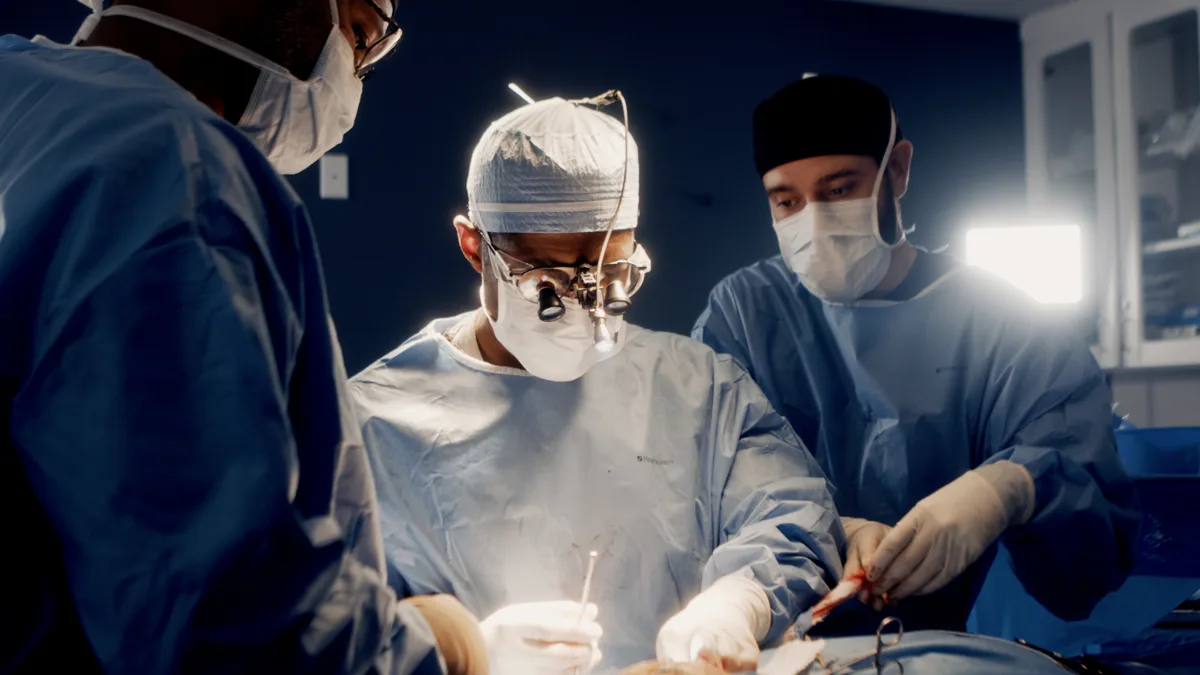
At OHNI, Dr. Ryan Osborne offers something fundamentally different: a truly global perspective combined with highly personalized surgical care with experience across five continents, tailoring each procedure to the individual patient, not the system.
Global Perspective
Experience across five continents, applying diverse surgical philosophies and techniques beyond standard U.S. training.
Precision & Preservation
Specialized techniques like Extra-Capsular Dissection designed to minimize invasiveness while protecting the facial nerve.
Patient-First Care
Direct surgeon access, individualized treatment planning, and a focus on both medical outcomes and quality of life.
Proven Outcomes
Patients consistently highlight clear communication, confident surgical decisions, and excellent functional results.
Expert Care for Xerostomia
Through accurate diagnosis and targeted treatment strategies, it is possible to significantly improve symptoms, protect oral health, and enhance quality of life.
Become a Patient
Contact the Osborne Head & Neck Institute for expert evaluation and treatment of xerostomia and salivary gland disorders.