Osborne Head & Neck Institute | Los Angeles
Parotid Mass
Symptoms, Causes, Diagnosis, and When to Seek Treatment
Ryan F. Osborne, MD | Fellowship-Trained Head & Neck Surgical Oncologist
Medically Reviewed By: OHNI Clinical Staff · Last Updated: November 2, 2026
Overview
What Is a Parotid Mass?
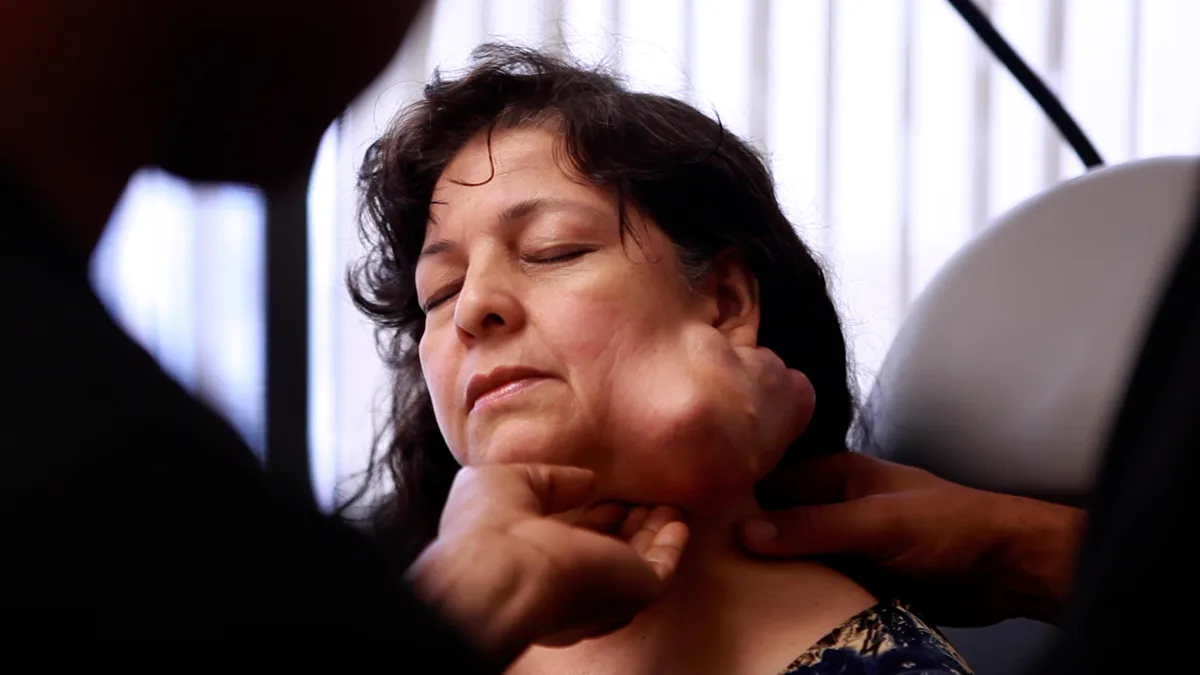
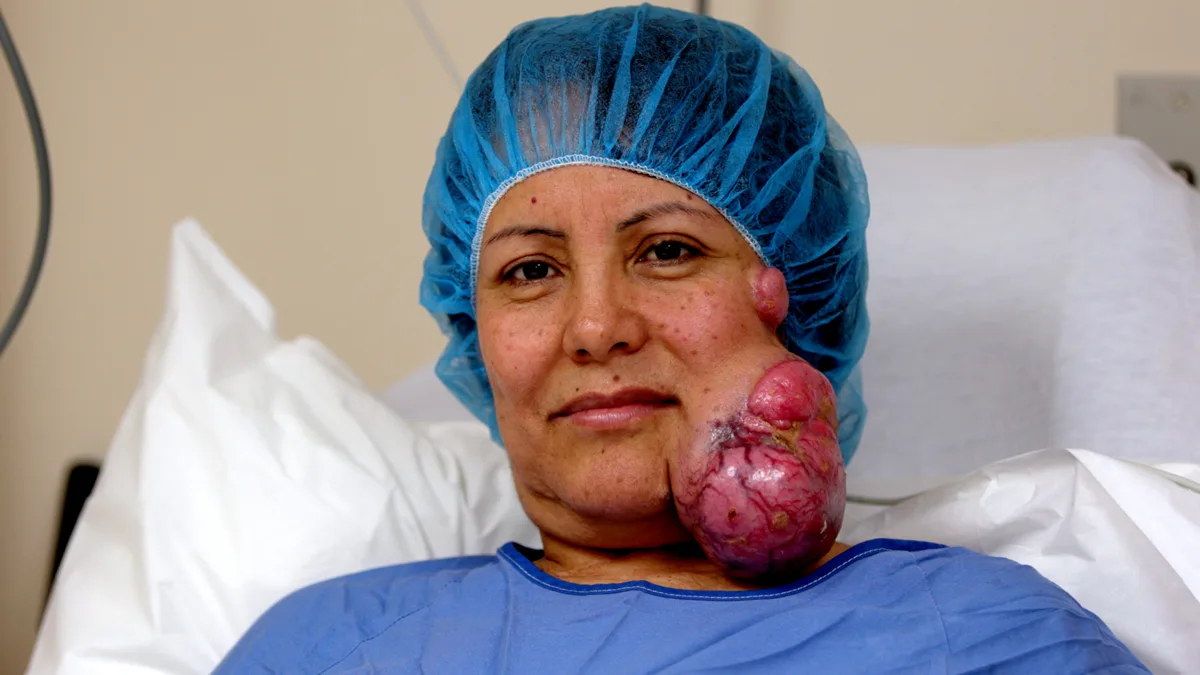
A parotid mass is any enlargement or abnormal tissue growth within the parotid gland. These masses may be benign (non-cancerous), malignant (cancerous), or inflammatory/infectious in nature.
Salivary gland tumors are relatively uncommon, accounting for approximately 3–4% of head and neck tumors, but the majority arise in the parotid gland5.
75–80%
of parotid tumors are benign
3–4%
of head & neck tumors

Symptoms
Common Symptoms of a Parotid Mass
The symptoms of a parotid mass can vary depending on the underlying cause, but certain patterns are well established in clinical research.
Painless Lump Near the Ear or Jaw
The most common symptom is a painless, slow-growing mass near the ear, cheek, or jawline. Patients may notice visible swelling, facial asymmetry, or a firm or mobile lump¹.
Gradual Enlargement Over Time
Parotid masses, especially benign tumors, often grow slowly over months or years, making early detection challenging².
Facial Weakness or Paralysis
The facial nerve runs directly through the parotid gland. Tumors affecting this nerve may cause weakness on one side of the face, difficulty smiling, or facial asymmetry⁶.
Pain or Discomfort
While many parotid masses are painless, pain may suggest infection, inflammation, or malignancy. Persistent or worsening pain should always be evaluated.
Skin Changes or Fixation
More advanced or aggressive tumors may cause skin ulceration, redness or thickening, or a mass that feels fixed to underlying structures¹.
Trismus, Numbness & Tingling
Tumors can affect nearby muscles or joints, leading to limited jaw movement (trismus), facial numbness, or tingling sensations⁶.
Causes
Causes of a Parotid Mass
Benign Tumors
The most common cause of parotid masses. Examples include pleomorphic adenoma (most common) and Warthin tumor. They grow slowly, rarely cause pain, and do not spread, but still require treatment due to risk of growth and recurrence.
Malignant Tumors
Less common but more serious. Common types include mucoepidermoid carcinoma and adenoid cystic carcinoma. These may grow more rapidly, invade surrounding tissues, and affect the facial nerve.
Inflammatory Conditions
Non-tumor causes include chronic inflammation, autoimmune diseases, and salivary gland infections. These conditions may cause swelling that mimics a tumor.
Rare Tumors of Nerve Origin
In rare cases, tumors may arise from the facial nerve itself within the parotid gland. These can present as slow-growing masses with possible nerve-related symptoms².
Critical Factor
Why Facial Nerve Involvement Is Critical
The facial nerve is one of the most important structures affected by parotid masses. It exits the skull and travels directly through the parotid gland, controlling facial expression.
- Facial nerve dysfunction is a strong predictor of malignancy
- It is associated with poorer outcomes in cancer cases1,6
- Even benign tumors can occasionally compress the nerve5
Diagnostic Process
How a Parotid Mass Is Diagnosed
Accurate diagnosis requires a structured evaluation combining clinical examination, advanced imaging, and tissue sampling.

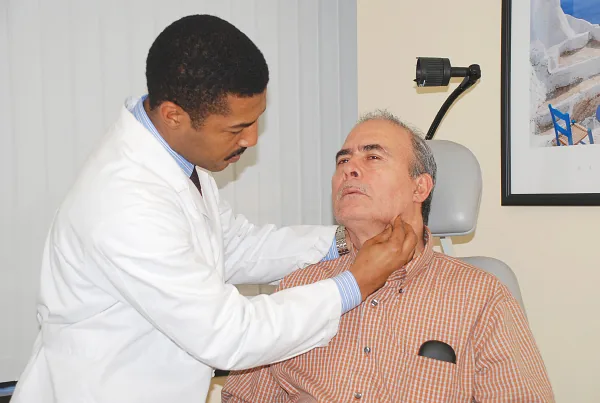
Clinical Examination
- Size and location of the mass
- Consistency and mobility
- Facial nerve function
Imaging Studies
- MRI for soft tissue evaluation
- CT scans for bone involvement
- Ultrasound for initial evaluation
Fine-Needle Aspiration (FNA)
- Determines tumor type
- Differentiates benign from malignant
- Minimally invasive diagnostic tool
Treatment
Treatment Options for a Parotid Mass
Surgical Treatment (Parotidectomy)
Surgery is the primary treatment for most parotid masses, especially tumors. Goals include complete removal, facial nerve preservation, and recurrence prevention. Modern techniques include intraoperative nerve monitoring⁴.
Non-Surgical Management
Some conditions may not require surgery, including infections (treated with antibiotics), inflammatory conditions, and small, stable benign lesions in select cases.
Malignant Tumor Treatment
For cancerous masses, treatment may include surgery, radiation therapy, and multidisciplinary care. Treatment is tailored based on tumor stage and characteristics.
Early Detection
Importance of Early Evaluation
Because many tumors are painless and slow-growing, patients often delay seeking care. However, early detection allows for less complex surgery, reduces risk of nerve involvement, and improves overall outcomes.
When to Seek Care
When to See a Specialist
- A persistent lump near the ear or jaw
- Gradual growth of a mass
- Facial weakness or asymmetry
- Pain or numbness
- Difficulty opening the mouth
Medical guidelines recommend evaluation of any persistent salivary gland mass, even if it is painless8.
Parotid Mass Shouldn't be Ignored
A parotid mass is a symptom that should never be ignored. While most cases are benign, the possibility of malignancy, and the involvement of the facial nerve, makes early evaluation essential.
With modern diagnostic tools and advanced surgical techniques, parotid masses can be treated effectively with excellent outcomes. The key is recognizing symptoms early and seeking care from an experienced specialist.
References
- Benign parotid mass and facial palsy: systematic review. PMC.
- Intraparotid neurofibroma case presentation and clinical features. Journal of Surgical Case Reports.
- Parotid gland tumors and facial nerve anatomy. Otolaryngologic Clinics.
- Outcomes and nerve injury risk in parotid surgery. Journal of Clinical Medicine.
- Epidemiology and characteristics of parotid tumors. ENT Clinical Review.
- Clinical presentation of malignant parotid tumors. Medscape eMedicine.
- Neurogenic tumors presenting as parotid masses. Springer Nature.
- Diagnosis and treatment of salivary gland tumors. Mayo Clinic Clinical Overview.
Patient Education
Frequently Asked Questions
No. Most parotid masses are benign, but evaluation is necessary to rule out malignancy.
The most common symptom is a painless, slow-growing lump near the ear or jaw.
You should be concerned if the mass is growing, persistent, painful, or associated with facial weakness.
Some benign tumors have the potential to transform into malignant tumors over time, which is why removal is often recommended.
Most tumors require surgical removal, but non-tumor conditions may be treated without surgery.

Why Choose OHNI
Not Big Medicine | Personalized, Global Expertise
Many patients assume the best care is found at large, well-known institutions. While these centers offer excellent care, they often operate within standardized systems shaped by regional training models.
At OHNI, Dr. Ryan Osborne offers something fundamentally different: a truly global perspective combined with highly personalized surgical care with experience across five continents, tailoring each procedure to the individual patient, not the system.
Global Perspective
Experience across five continents, applying diverse surgical philosophies and techniques beyond standard U.S. training.
Precision & Preservation
Specialized techniques like Extra-Capsular Dissection designed to minimize invasiveness while protecting the facial nerve.
Patient-First Care
Direct surgeon access, individualized treatment planning, and a focus on both medical outcomes and quality of life.
Proven Outcomes
Patients consistently highlight clear communication, confident surgical decisions, and excellent functional results.
Expert Evaluation of Parotid Masses
Our specialists provide expert evaluation and treatment for all parotid masses and salivary gland conditions. Early diagnosis leads to better outcomes and more treatment options.
Become a Patient
Contact the Osborne Head & Neck Institute for expert evaluation of parotid masses and salivary gland conditions.