Osborne Head & Neck Institute | Los Angeles
Benign vs Malignant Parotid Tumors
Understanding the Key Differences
Ryan F. Osborne, MD | Fellowship-Trained Head & Neck Surgical Oncologist
Medically Reviewed By: OHNI Clinical Staff · Last Updated: November 3, 2026
Overview
What Is a Parotid Tumor?
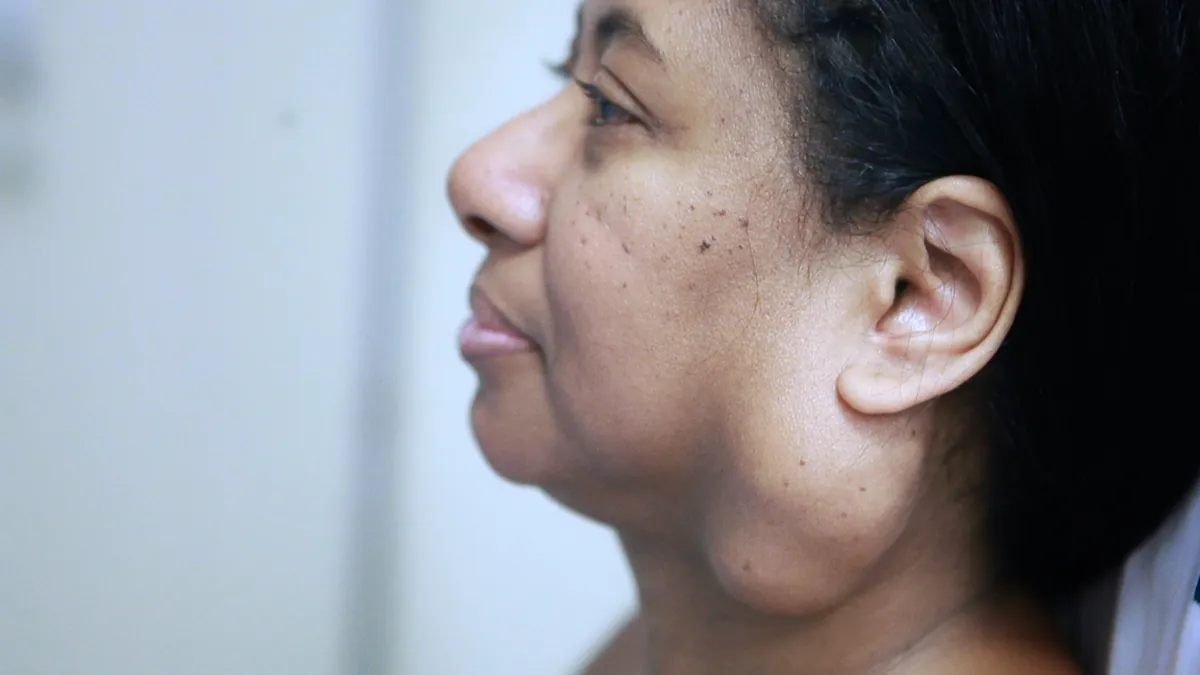
A parotid tumor is an abnormal growth within the parotid gland, the largest salivary gland located in front of and below the ear. Parotid tumors can arise from glandular (saliva-producing) cells, connective tissues, or lymphatic/immune-related structures.
Because of this complexity, parotid tumors can vary widely in behavior, ranging from harmless benign growths to aggressive cancers1.
75–80%
are benign2,6
20–25%
are malignant2,5
A study of nearly 1,000 patients found that 81.9% of parotid tumors were benign and 18.1% were malignant2.
Benign Tumors
Types of Benign Parotid Tumors
Pleomorphic Adenoma
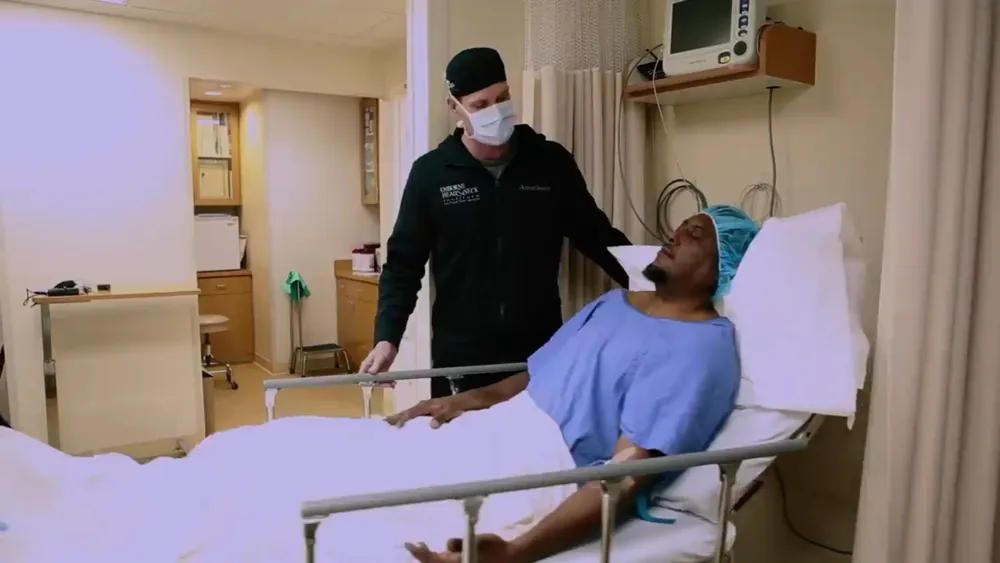
Most common benign parotid tumor. Slow-growing and usually painless. However, it has a small risk of becoming cancerous if left untreated over many years¹.
Warthin Tumor
Second most common benign tumor. Often occurs in older adults and may be bilateral (affect both glands).
Key Characteristics of Benign Tumors
Malignant Tumors
Types of Malignant Parotid Tumors
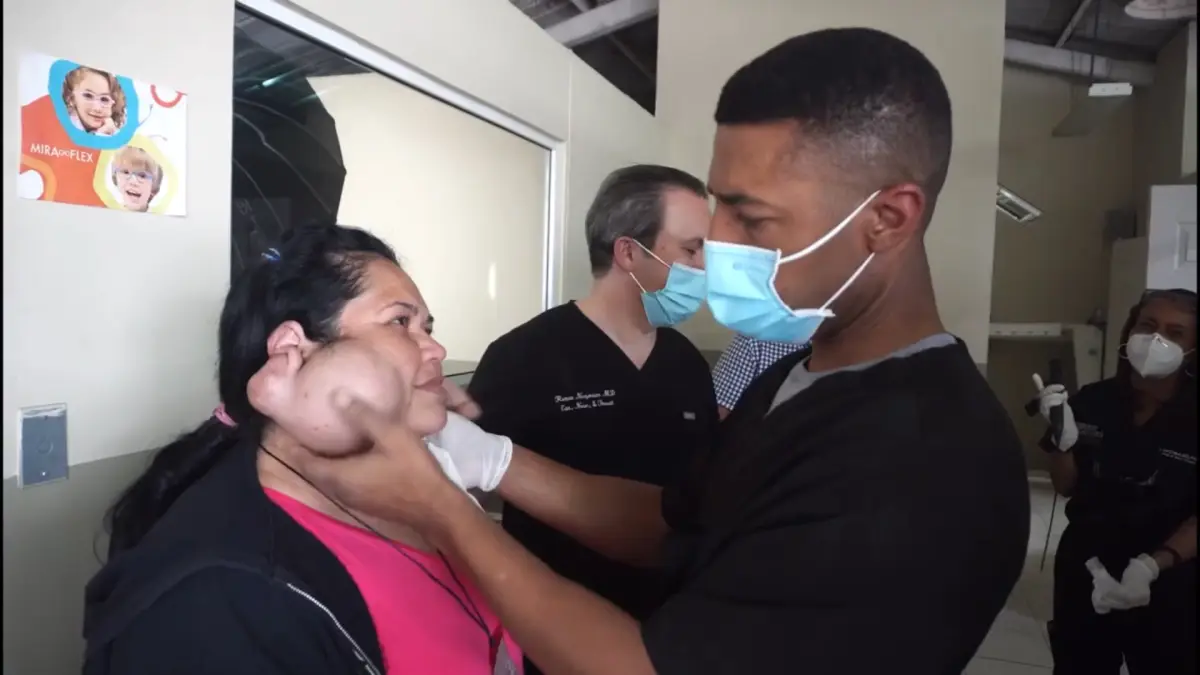
Mucoepidermoid carcinoma (most common)
Adenoid cystic carcinoma
Acinic cell carcinoma
Characteristics of Malignant Tumors
- Grow more rapidly
- Cause pain
- Involve surrounding tissues
- Affect the facial nerve3
Warning Signs
Key Symptoms That May Suggest Cancer
Facial Weakness or Paralysis
Weakness on one side of the face or difficulty smiling/closing the eye. Strongly associated with malignant tumors³,⁷.
Pain or Rapid Growth
Malignant tumors are more likely to grow quickly and cause discomfort or pain, unlike slow-growing, painless benign tumors.
Firm or Fixed Mass
A mass that feels hard, immobile, or attached to surrounding tissue may indicate malignancy.
Skin Changes
Advanced tumors may cause skin ulceration, redness, or thickening over the affected area.
Numbness or Tingling
Nerve involvement may lead to facial numbness or altered sensation.
Transformation Risk
Can a Benign Parotid Tumor Become Cancer?
Yes, but it is relatively rare. Pleomorphic adenomas have a small risk of malignant transformation. The risk increases over time if untreated8.
Medical literature emphasizes that definitive diagnosis often requires tissue analysis9. Benign and malignant tumors can look similar, symptoms may overlap, and imaging alone cannot always confirm diagnosis.
Why Diagnosis Cannot Be Assumed
- Benign and malignant tumors can look similar
- Symptoms may overlap
- Imaging alone cannot always confirm diagnosis
- Definitive diagnosis often requires tissue analysis⁹
Diagnostic Process
How Doctors Determine If a Parotid Tumor Is Cancer
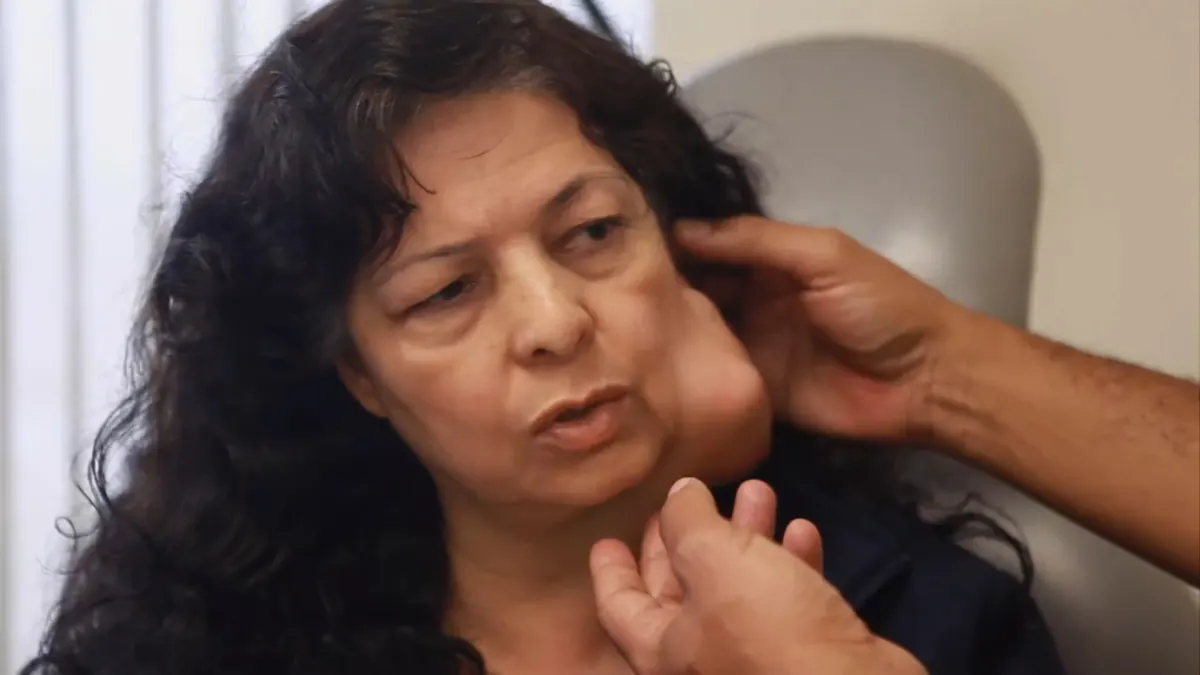
Physical Examination
- Size and location
- Mobility of the mass
- Facial nerve function
Imaging Studies
- MRI for soft tissue detail
- CT scan for structural evaluation
- Assess tumor extent
Fine-Needle Aspiration
- Benign vs malignant
- Tumor type identification
- Minimally invasive²
Surgical Pathology
- Most accurate diagnosis
- Full pathological examination
- After surgical removal
Treatment
Why Surgery Is Often Recommended
Even when a tumor is benign, surgery is commonly recommended. Research shows that surgical removal is the primary treatment for most parotid tumors7.
If surgery is recommended, Parotidectomy Recovery explains what to expect afterward, and Parotid Surgery Risks covers possible complications.
- Preventing growth
- Reducing recurrence risk
- Eliminating uncertainty
- Avoiding malignant transformation
Prognosis
What Happens After Diagnosis?
Benign Tumors
Excellent prognosis. Low recurrence when removed properly. Minimal long-term complications.
Malignant Tumors
Prognosis depends on tumor type, stage, and facial nerve involvement. Early detection significantly improves outcomes.
When to Seek Care
When to See a Specialist
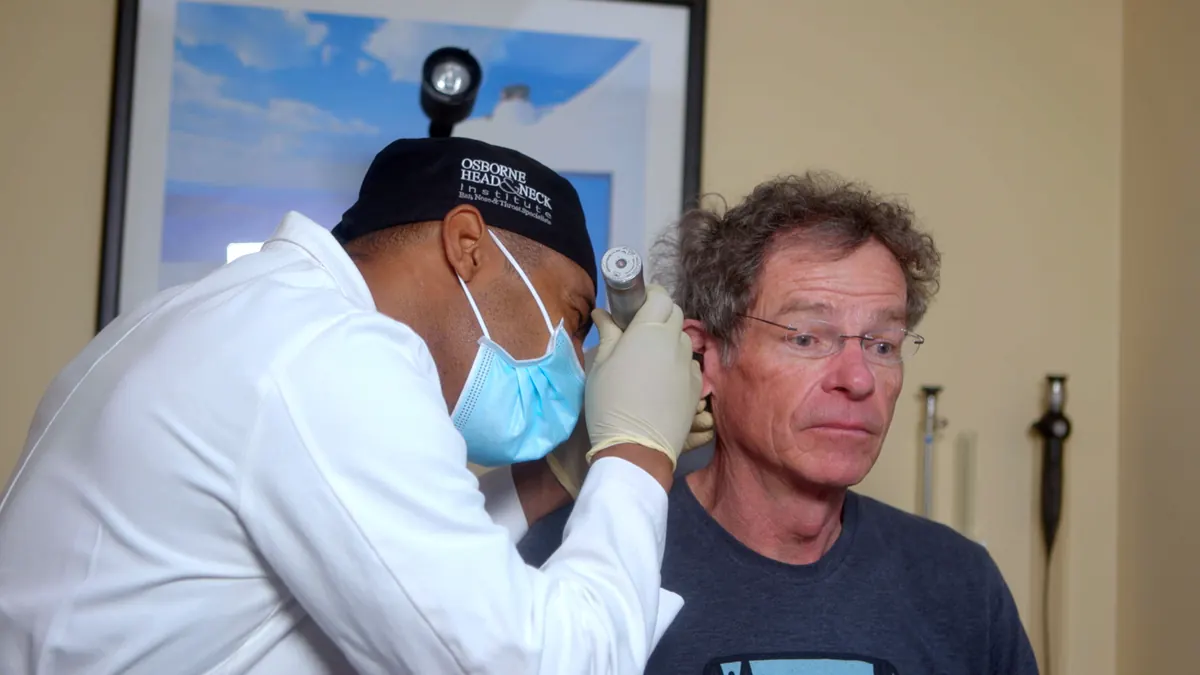
A lump near the ear or jaw
Persistent swelling lasting more than 2–3 weeks
Facial weakness or asymmetry
Pain or rapid growth
Clinical guidance recommends evaluation of any persistent salivary gland mass, even if painless5.
Final Thoughts from Dr. Osborne
A parotid tumor does not automatically mean cancer, but it should never be ignored. While most tumors are benign, the risk of malignancy requires careful evaluation and expert management.
The key is not guessing, it is accurate diagnosis and timely treatment. With modern imaging, biopsy techniques, and specialized surgical care, outcomes for both benign and malignant parotid tumors are excellent.
References
- StatPearls. Salivary gland neoplasms and tumor behavior. NCBI.
- Lee DH et al. Comparative analysis of benign and malignant parotid tumors. ScienceDirect.
- Parotid gland tumors and facial nerve involvement. Ento Key.
- MDPI Clinical study on parotid tumor characteristics. MDPI.
- MUSC Health. Salivary gland tumor epidemiology and evaluation. Medical University of South Carolina.
- Parotid tumor statistics and prevalence data. Parotid Patient Project.
- Facial nerve preservation and surgical management of parotid tumors. Sage Journals.
- Johns Hopkins Medicine. Risk of malignant transformation in pleomorphic adenoma. Hopkins Medicine.
- Merck Manual. Diagnosis and management of salivary gland tumors. Merck Manuals.
- Clinical features of parotid tumors and diagnostic indicators. Springer Nature.
- Epidemiology and characteristics of salivary gland tumors. Wikipedia.
- Parotid gland anatomy and tumor characteristics. Wikipedia.
Patient Education
Frequently Asked Questions
No. Approximately 75–80% of parotid tumors are benign and not cancerous.
About 20–25% of parotid tumors are malignant.
Symptoms such as facial weakness, pain, and rapid growth may suggest cancer, but only medical evaluation can confirm this.
Yes, but it is rare. Some tumors, like pleomorphic adenomas, can become malignant over time if untreated.
Most do, even if benign, to prevent growth, recurrence, or transformation.
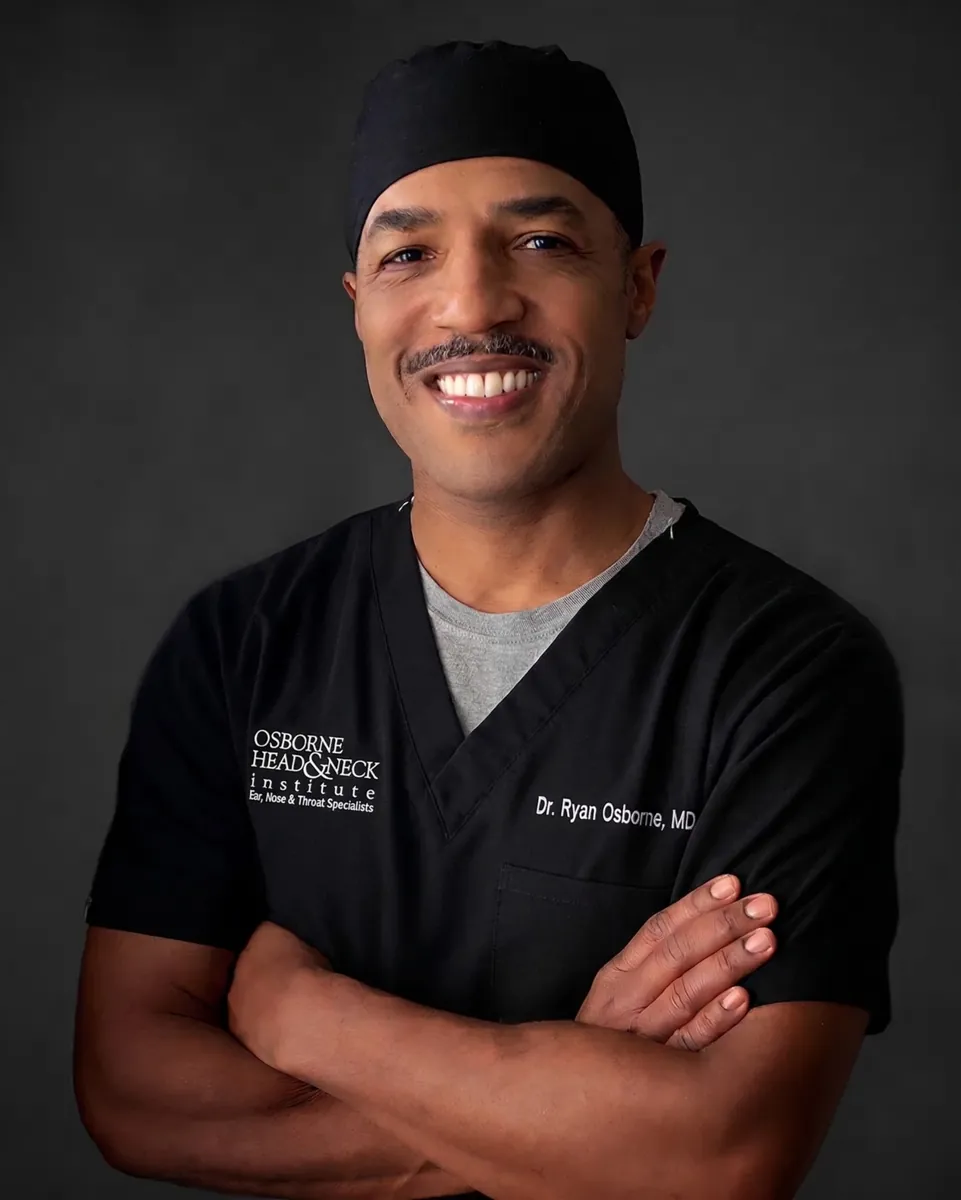
Why Choose OHNI
Not Big Medicine | Personalized, Global Expertise
Many patients assume the best care is found at large, well-known institutions. While these centers offer excellent care, they often operate within standardized systems shaped by regional training models.
At OHNI, Dr. Ryan Osborne offers something fundamentally different: a truly global perspective combined with highly personalized surgical care with experience across five continents, tailoring each procedure to the individual patient, not the system.
Global Perspective
Experience across five continents, applying diverse surgical philosophies and techniques beyond standard U.S. training.
Precision & Preservation
Specialized techniques like Extra-Capsular Dissection designed to minimize invasiveness while protecting the facial nerve.
Patient-First Care
Direct surgeon access, individualized treatment planning, and a focus on both medical outcomes and quality of life.
Proven Outcomes
Patients consistently highlight clear communication, confident surgical decisions, and excellent functional results.
Expert Parotid Tumor Evaluation
If you have been diagnosed with a parotid tumor, the most important step is consulting a specialist who can guide you through the next steps with confidence and precision.
Become a Patient
Contact the Osborne Head & Neck Institute for expert evaluation of parotid tumors.