Osborne Head & Neck Institute | Los Angeles
Scarring After Parotidectomy
What to Expect, How It's Minimized, and Why Technique Matters
Ryan F. Osborne, MD | Fellowship-Trained Head & Neck Surgical Oncologist
Medically Reviewed By: OHNI Clinical Staff · Last Updated: November 3, 2026
Overview
Understanding Scarring After Parotidectomy
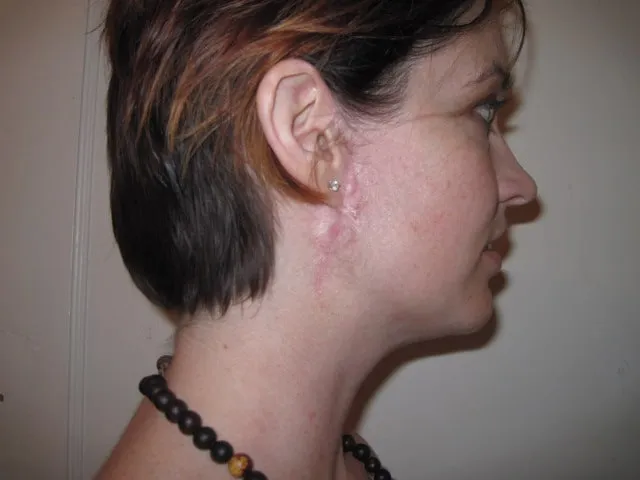
Scarring after parotidectomy is a natural and unavoidable part of healing. However, the visibility, quality, and long-term appearance of a scar are not fixed outcomes, they are highly dependent on surgical technique, tissue handling, and postoperative care.
In the past, parotid surgery often resulted in noticeable scars extending from the front of the ear down into the neck. Today, with modern advancements in surgical planning and reconstruction, scars can often be well-concealed, minimally visible, and cosmetically acceptable.
"A successful parotid surgery is not only about removing disease safely, it is also about restoring natural appearance and minimizing visible signs of surgery."
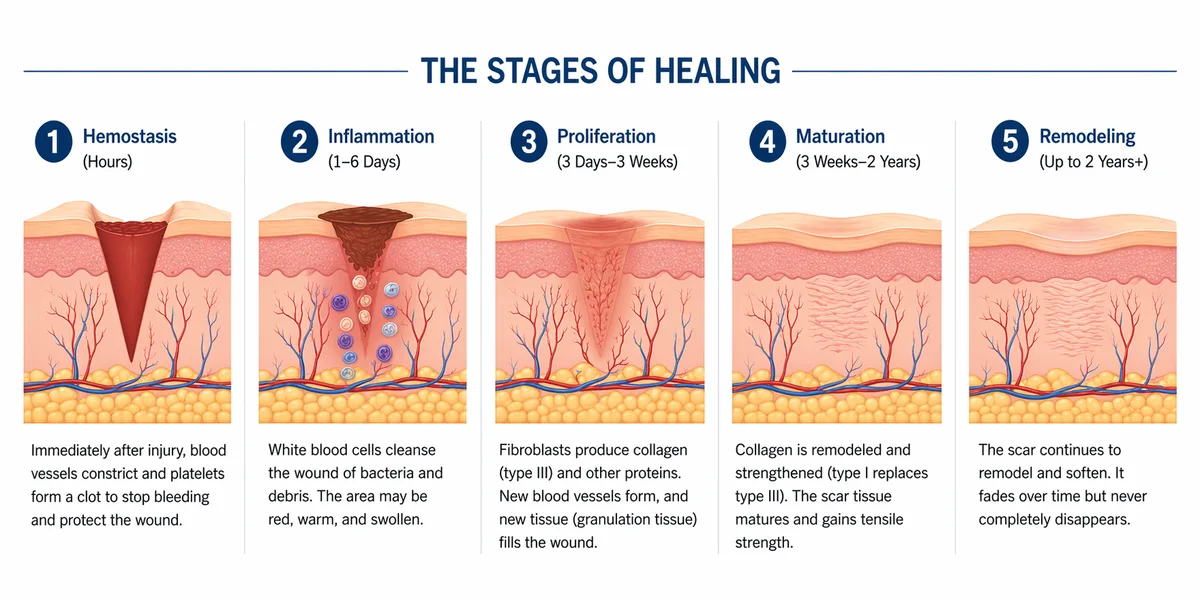
Scar Maturation
Progressive healing stages demonstrating how modern parotidectomy scars fade and flatten over time.
Scar Formation
What Causes a Scar?
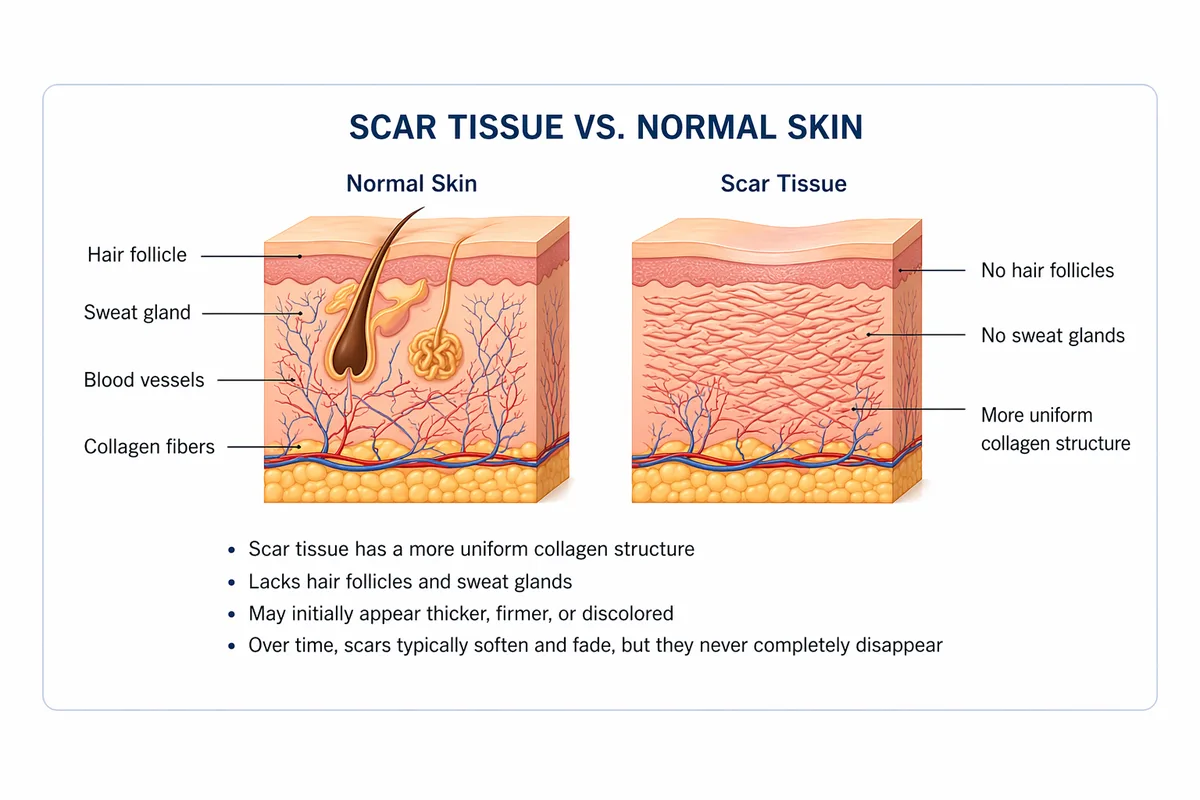
A scar forms as part of the body's natural healing response. When the skin is incised, the body repairs the wound by producing collagen, a structural protein that replaces normal skin tissue.
Unlike Normal Skin, Scar Tissue:
- Has a more uniform collagen structure
- Lacks hair follicles and sweat glands
- May initially appear thicker, firmer, or discolored
Over time, scars typically soften and fade, but they never completely disappear.
Incision Design
Where Is the Scar Located?
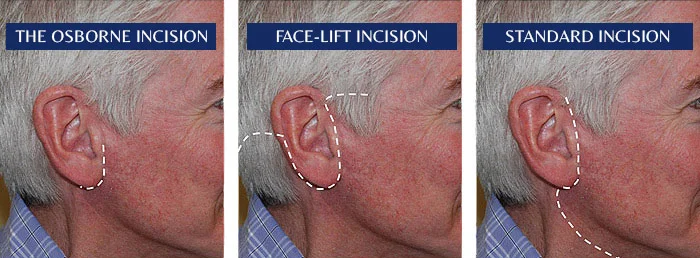
Traditional Blair Incision
- Begins in front of the ear
- Curves around the earlobe
- Extends downward into the upper neck
Provides excellent exposure but may result in a visible neck scar.
Modern Facelift-Style Incision
- Follows natural skin creases
- Extends behind the ear rather than down the neck
- Can be partially hidden within the hairline
Results in a scar that is significantly less noticeable and often difficult to detect once healed.
Recovery Timeline
The Healing Process: What to Expect
Healing after parotid surgery occurs in stages. Understanding this process helps set realistic expectations.
Early Phase
0–2 Weeks
- Redness and mild swelling
- Firmness along the incision line
- Possible bruising
- Sutures or surgical adhesives in place
At this stage, the scar is most visible.
Intermediate Phase
2–8 Weeks
- Gradual reduction in redness
- Softening of the tissue
- Decreasing swelling
- Early blending with surrounding skin
Steady improvement in appearance.
Maturation Phase
2–12 Months
- Continued fading of the scar
- Improved texture and flexibility
- Final cosmetic outcome becomes apparent
Most scars become barely noticeable after several months to a year.
Key Factors
Factors That Affect Scar Appearance
Not all scars heal the same. Several factors influence how visible a scar will be.
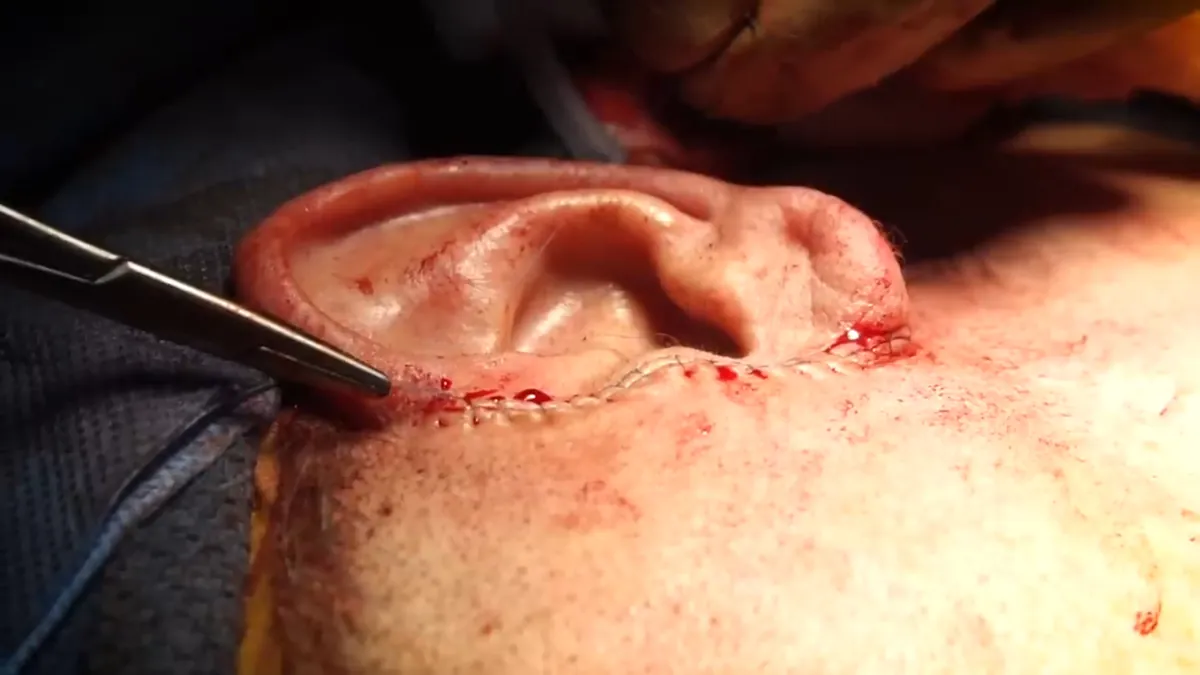
Fine, tension-free suturing along the periauricular incision during parotidectomy by Dr. Osborne, Osborne Head & Neck Institute
Surgical Technique
The most important factor, precise incision placement, gentle tissue handling, layered closure techniques, and minimization of tension.
Extent of Surgery
More extensive procedures may involve larger incisions, greater tissue disruption, and longer healing times.
Individual Healing
Genetics, skin type, age, and collagen production all affect outcomes. Some individuals are prone to hypertrophic scars or keloids.
Skin Tension
Scars heal better when incisions follow natural skin tension lines. Poor alignment can lead to widened or more visible scars.
Postoperative Care
Proper aftercare plays a critical role in optimizing scar outcomes including wound care, sun protection, and scar therapy.
Modern Approaches
Advanced Strategies to Minimize Scarring
Modern parotid surgery focuses heavily on reducing visible scarring through a combination of surgical and postoperative techniques.
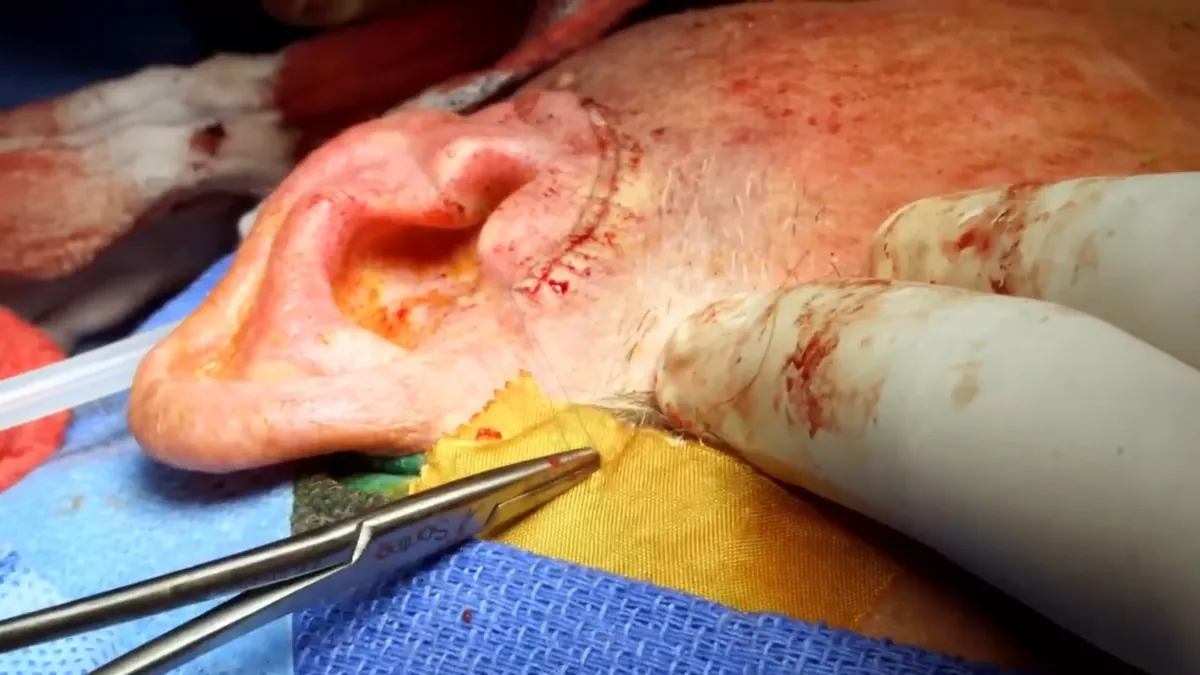
Strategic incision placement hidden along the ear contour during parotidectomy by Dr. Osborne, Osborne Head & Neck Institute
Strategic Incision Placement
Placing incisions in natural skin creases or along the contours of the ear allows scars to blend into normal anatomy.
Facelift Approach
Using a facelift-style incision hides scars behind the ear, avoids visible neck scarring, and maintains a natural facial contour.
Minimally Invasive Techniques
Smaller, more targeted surgical approaches reduce tissue trauma, scar length, and recovery time.
Tissue Preservation
Preserving as much normal tissue as possible reduces inflammation, improves healing, and minimizes scar formation.
Reconstruction of the Surgical Bed
One of the most overlooked aspects of scar prevention is reconstruction after tumor removal. Reconstruction can restore natural facial contours, reduce skin tension, and improve overall cosmetic outcome.
Techniques include dermal grafts, fat grafting, and local tissue flaps, all of which support the overlying skin and improve long-term appearance.
Reconstruction
The Role of Reconstruction in Scar Quality
After removal of the parotid gland or tumor, a defect is often left behind. If this space is not addressed, the skin may collapse inward, contour deformities may develop, and scar visibility may increase.
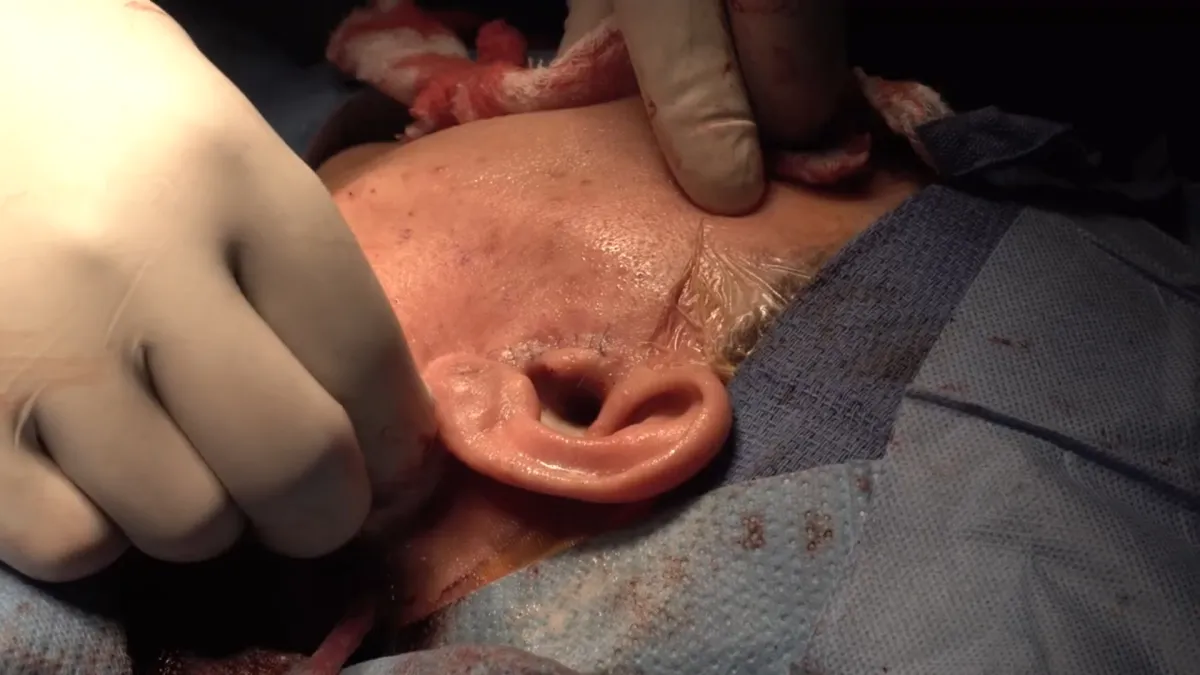
Meticulous incision closure following parotidectomy with reconstruction by Dr. Osborne, Osborne Head & Neck Institute
Support the overlying skin
Reduce tension on the incision
Improve long-term appearance
Restore natural facial contours
This is a critical component of modern parotid surgery that significantly impacts scar outcomes.
Parotid ReconstructionPost-Surgical Care
Scar Management After Surgery
Even with optimal surgical technique, proper scar care is essential for the best results.
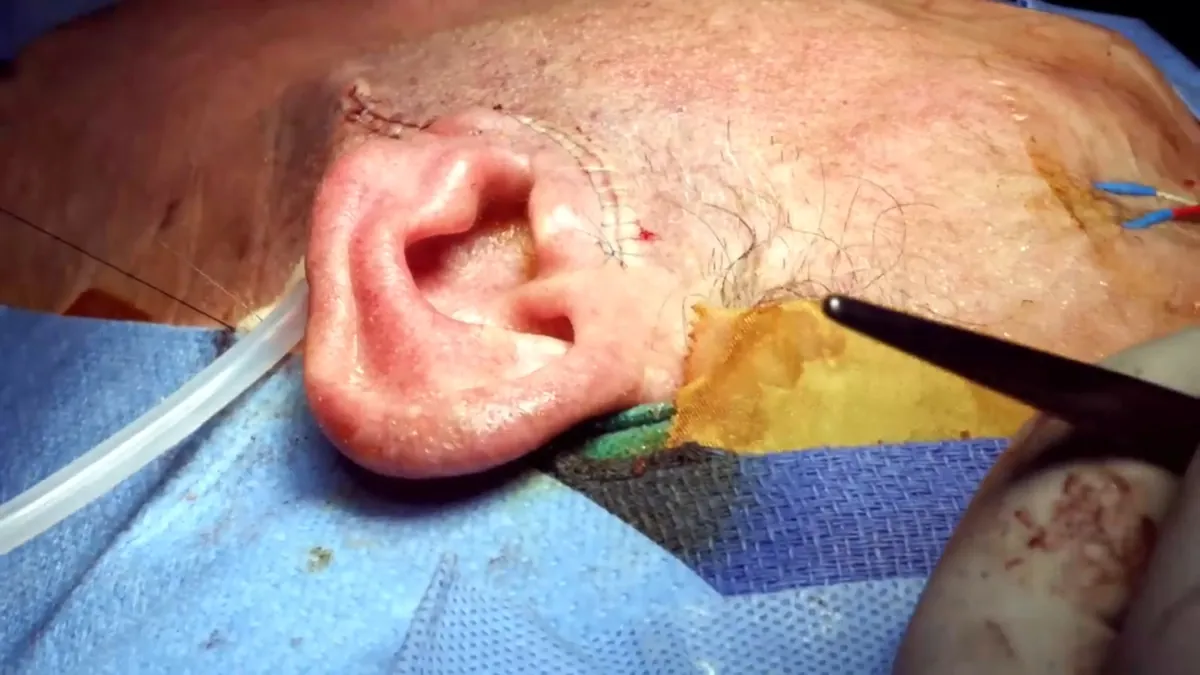
Post-closure parotidectomy incision concealed along the periauricular crease by Dr. Osborne, Osborne Head & Neck Institute
Silicone Therapy
Silicone gels or sheets help flatten and soften scars during the maturation phase.
Sun Protection
Prevents discoloration and reduces long-term scar visibility.
Massage Therapy
Improves scar flexibility and promotes healthy collagen remodeling.
Topical Treatments
Prescription or over-the-counter products to optimize scar appearance.
Problematic Scars
When Scars Do Not Heal Ideally
In some cases, scars may become raised, thickened, discolored, or noticeable. These outcomes are uncommon but can occur. While medically benign, visible scars, especially on the face, can have a meaningful psychological impact.
Treatment Options for Problematic Scars
- Steroid injections
- Laser therapy
- Scar revision surgery
- Z-plasty or other reconstructive techniques
Psychological Impact
Patients may experience self-consciousness, social anxiety, and concerns about appearance. Modern surgical approaches aim not only to treat disease but also to preserve identity and confidence.
Smaller, well-planned incisions are increasingly favored because large visible scars can create a psychological burden, even when the surgery is medically successful.
Comparison
Surgical Approaches & Scar Outcomes
Our Approach
Treatment Philosophy at OHNI
Aesthetic Outcome Is Not Secondary, It Is Essential
At OHNI, we approach parotid surgery with a dual focus: oncologic safety and complete disease removal, paired with preservation of facial appearance and function.
Precision Surgery
Every incision is carefully planned to follow natural contours, minimize visibility, and reduce long-term impact.
Reconstruction as Standard of Care
We do not view reconstruction as optional, it is an essential part of achieving optimal outcomes.
Minimizing Surgical Footprint
Less disruption means better healing, less scarring, and faster recovery.
PATIENT EDUCATION
Scarring After Parotidectomy FAQs
In most cases, scars heal very well and become difficult to notice over time, especially with modern techniques.
Scars continue to improve for up to 12 months or longer after surgery.
No surgical procedure is entirely scar-free. However, scarring can be minimized to the point of near invisibility.
Follow your surgeon's instructions carefully and use recommended scar care treatments including silicone therapy, sun protection, and massage.
Yes. The type and placement of the incision significantly impact the final scar appearance. Techniques like The Osborne Incision™ are specifically designed to minimize visible scarring.
Why Choose OHNI
Not Big Medicine | Personalized, Global Expertise
Many patients assume the best care is found at large, well-known institutions. While these centers offer excellent care, they often operate within standardized systems shaped by regional training models.
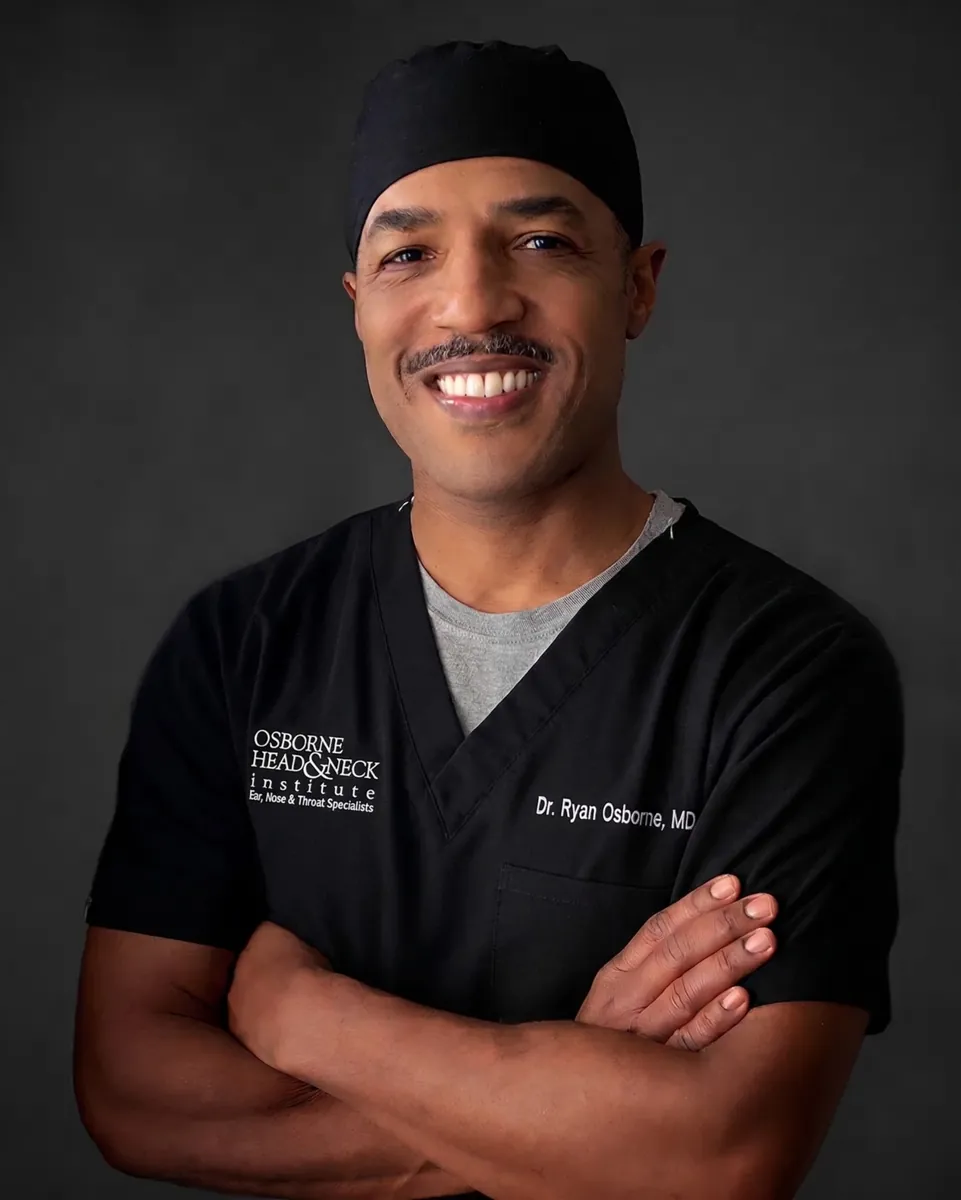
At OHNI, Dr. Ryan Osborne offers something fundamentally different: a truly global perspective combined with highly personalized surgical care with experience across five continents, tailoring each procedure to the individual patient, not the system.
Global Perspective
Experience across five continents, applying diverse surgical philosophies and techniques beyond standard U.S. training.
Precision & Preservation
Specialized techniques like Extra-Capsular Dissection designed to minimize invasiveness while protecting the facial nerve.
Patient-First Care
Direct surgeon access, individualized treatment planning, and a focus on both medical outcomes and quality of life.
Proven Outcomes
Patients consistently highlight clear communication, confident surgical decisions, and excellent functional results.
Concerned About Scarring After Parotid Surgery?
Our specialists focus on achieving outcomes that look and feel natural. Schedule a consultation to learn how modern techniques minimize scarring after parotidectomy.
Become a Patient
Contact the Osborne Head & Neck Institute for expert evaluation and surgical planning.