Osborne Head & Neck Institute | Los Angeles
Parotid Reconstruction
Facial Nerve Preservation, Functional Restoration & Aesthetic Outcomes
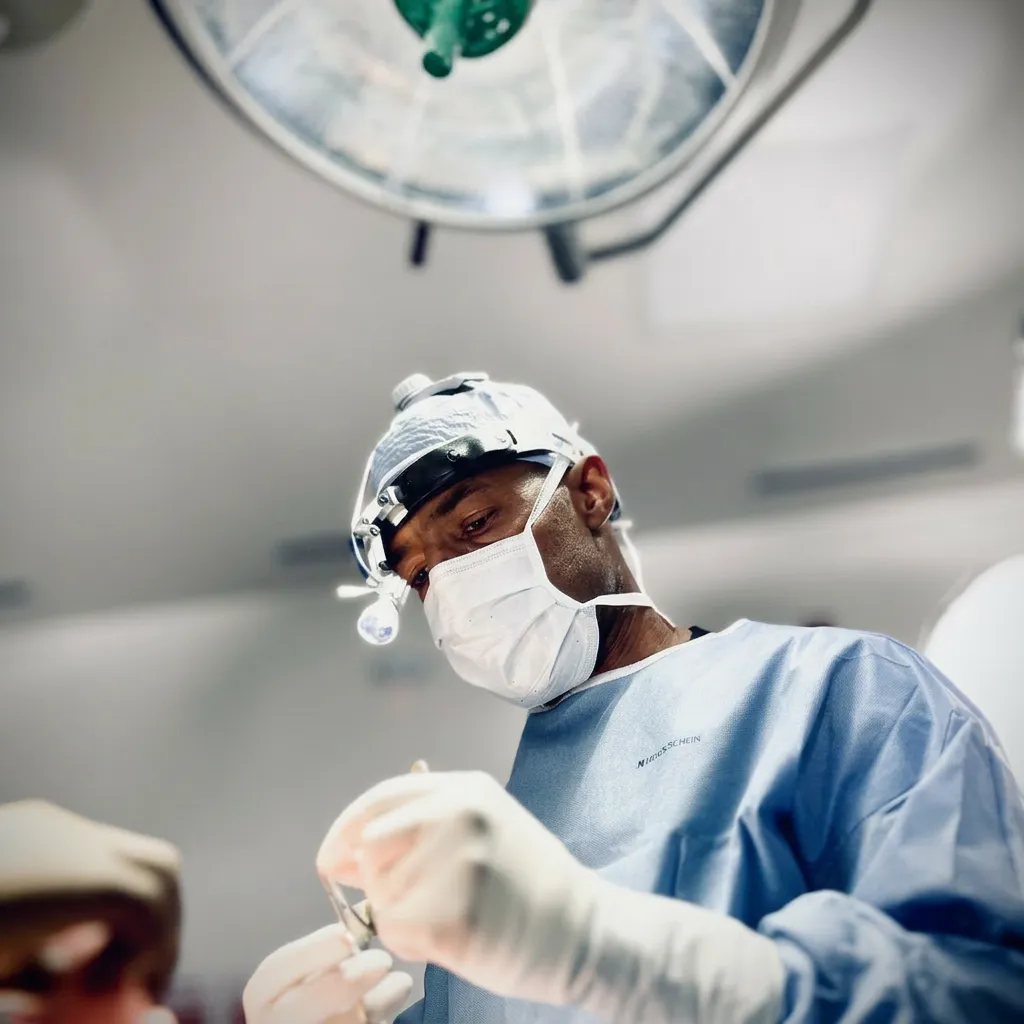
Ryan F. Osborne, MD | Fellowship-Trained Head & Neck Surgical Oncologist
Medically Reviewed By: OHNI Clinical Staff · Last Updated: November 2, 2026
Foundational Approach
Principles of Parotid Reconstruction
A subspecialty-driven approach that prioritizes facial nerve function, facial symmetry, and complication prevention.
Facial Nerve Preservation & Restoration
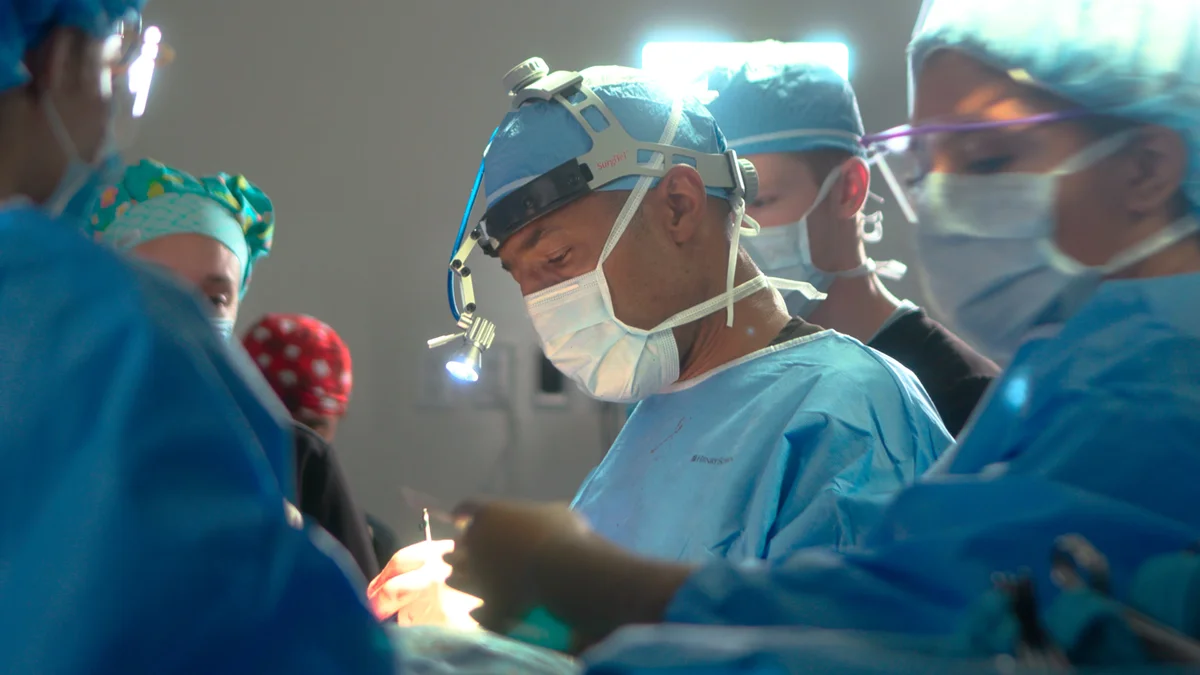
When preservation is possible, meticulous dissection and intraoperative monitoring maintain nerve integrity. When sacrifice is required, options include primary repair, interposition grafting, and nerve transfers.
Restoration of Facial Contour
Reconstruction focuses on restoring soft tissue volume to maintain facial symmetry through local tissue rearrangement, autologous fat grafting, and acellular dermal matrix placement.
Prevention of Frey's Syndrome
Gustatory sweating may occur after parotid surgery due to aberrant nerve regeneration. Preventative strategies are incorporated at the time of initial surgery.
Surgical Options
Types of Reconstructive Procedures
Reconstructive strategies are tailored to the extent of resection, nerve involvement, and patient-specific goals.
Volume Restoration Techniques
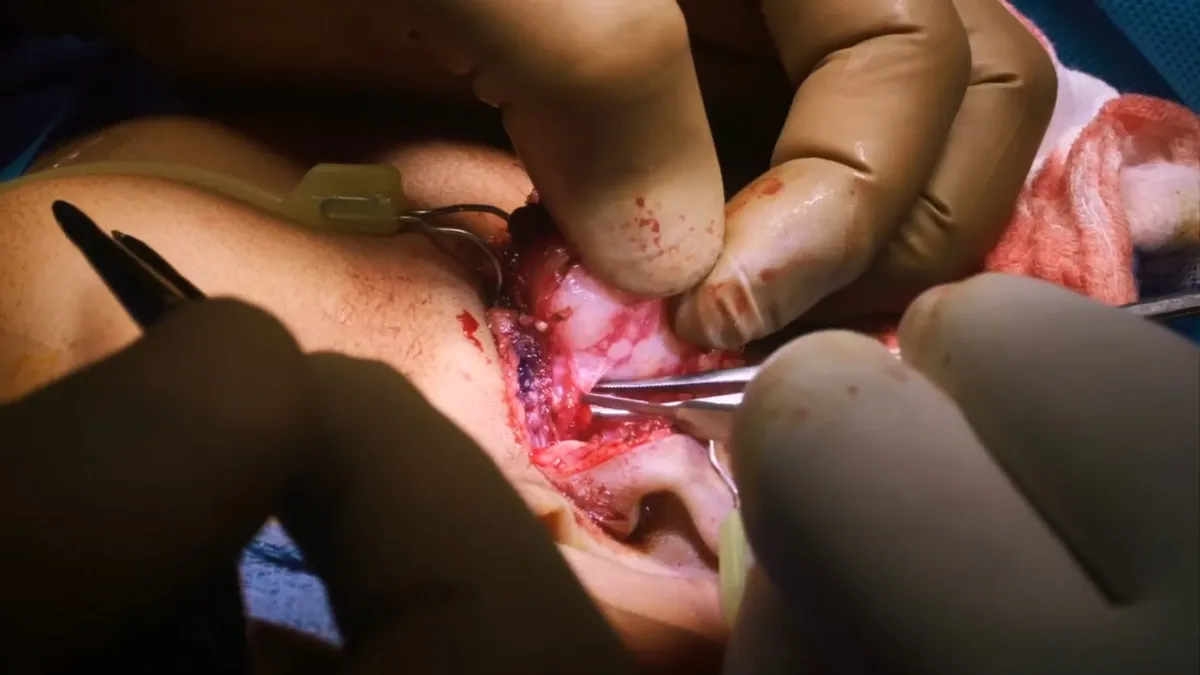
Fat grafting for mild to moderate defects and regional flaps for larger volume deficits, essential for both aesthetic and psychological outcomes.
Complex & Revision Reconstruction
Patients with prior surgery or radiation may require advanced reconstructive strategies due to scar tissue and altered anatomy.
Clinical Indications
Indications for Parotid Reconstruction
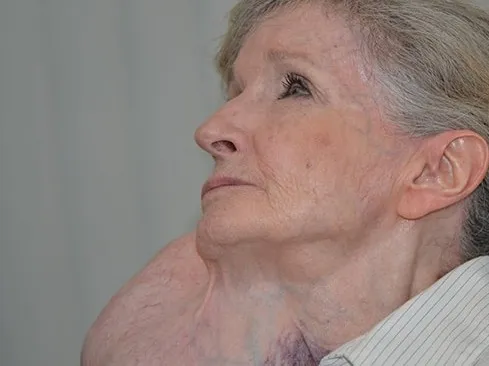
Reconstruction is considered in a variety of clinical scenarios. Early planning allows reconstruction to be performed at the time of initial surgery.
Following parotid tumor resection
Cases involving facial nerve sacrifice or injury
Significant soft tissue volume loss anticipated
Revision of prior surgical outcomes
Precision Planning
Diagnostic & Preoperative Planning
Comprehensive preoperative imaging and multidisciplinary coordination define tumor extent and guide reconstructive strategy.
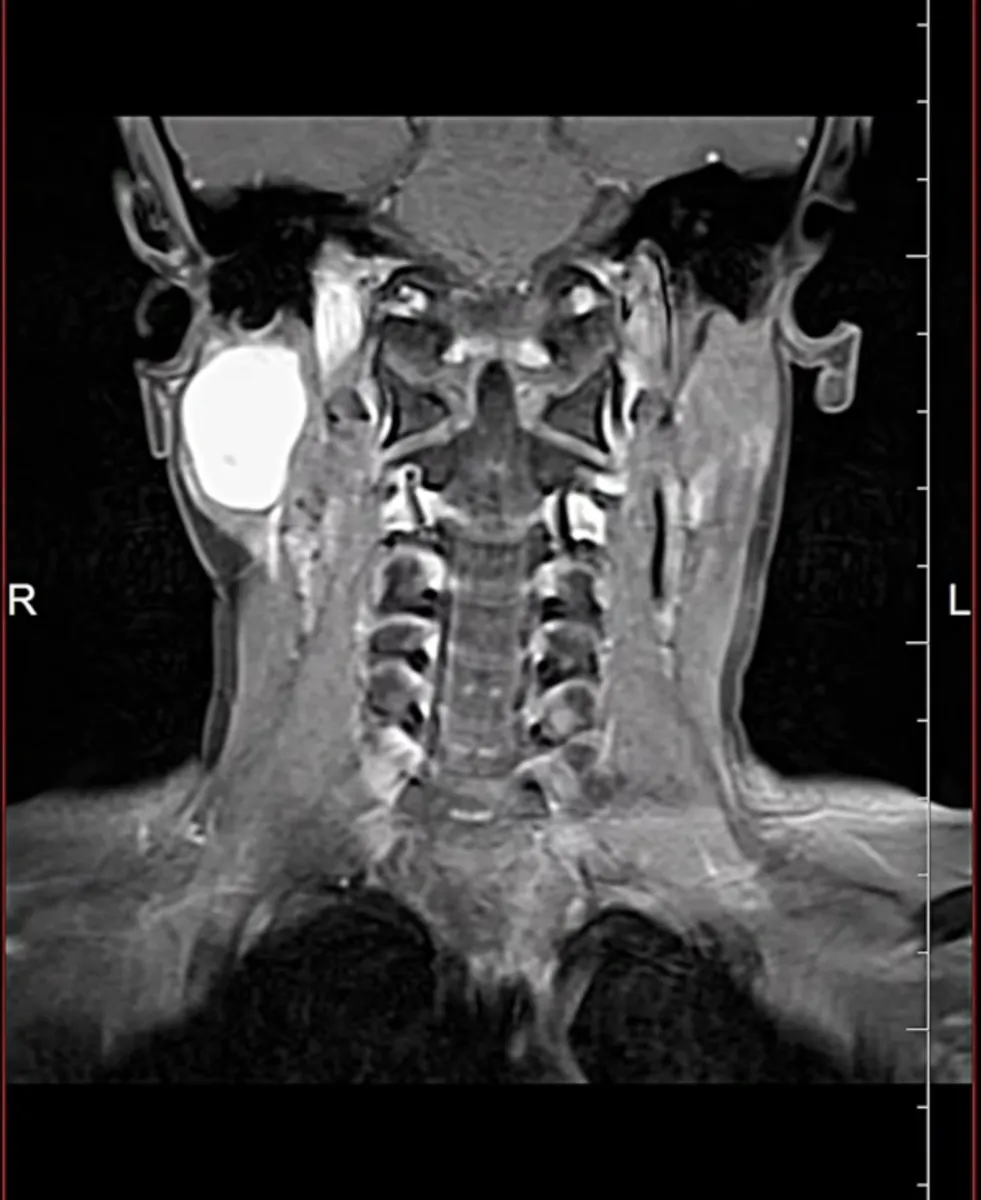
Imaging & Surgical Mapping
Preoperative imaging helps define tumor extent and relationship to the facial nerve and surrounding structures.
Multidisciplinary Coordination
Complex cases may require coordination between head and neck surgery, reconstructive surgery, and other specialties to ensure optimal planning and execution.
Our Approach
Treatment Philosophy
Functional Priority
Preservation or restoration of facial nerve function is the primary objective in parotid reconstruction.
Aesthetic Consideration
Facial symmetry and contour are critical components of patient outcomes and are addressed concurrently with functional reconstruction.
Immediate vs Delayed Reconstruction
Whenever feasible, reconstruction is performed at the time of tumor removal to optimize both functional recovery and aesthetic results.
Results
Outcomes & Expectations
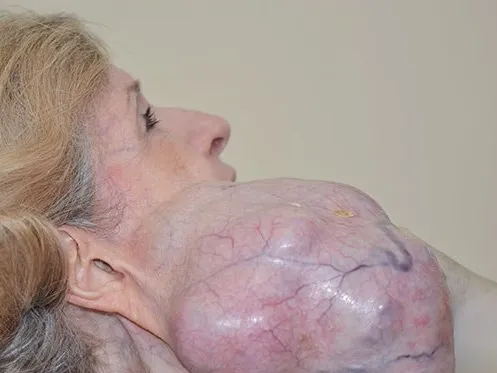
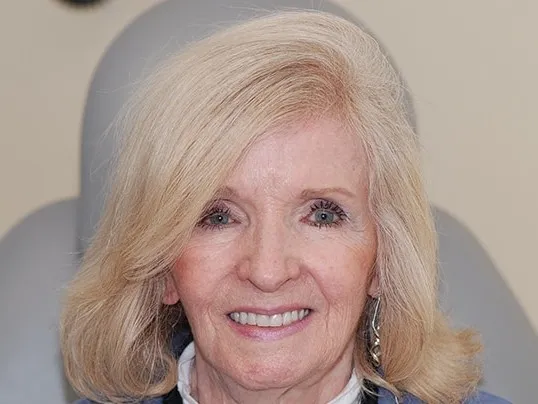
Outcomes depend on multiple factors including extent of surgery, degree of nerve involvement, and timing of reconstruction.
With appropriate technique and expertise, many patients achieve meaningful recovery of facial movement and satisfactory cosmetic outcomes.
Don't Wait
When to Seek Specialist Care
Early consultation allows for comprehensive planning and improved outcomes. Seek evaluation if you have:
A planned parotid tumor surgery
Facial weakness following prior surgery
Concerns about facial contour changes
Recurrent or complex parotid disease
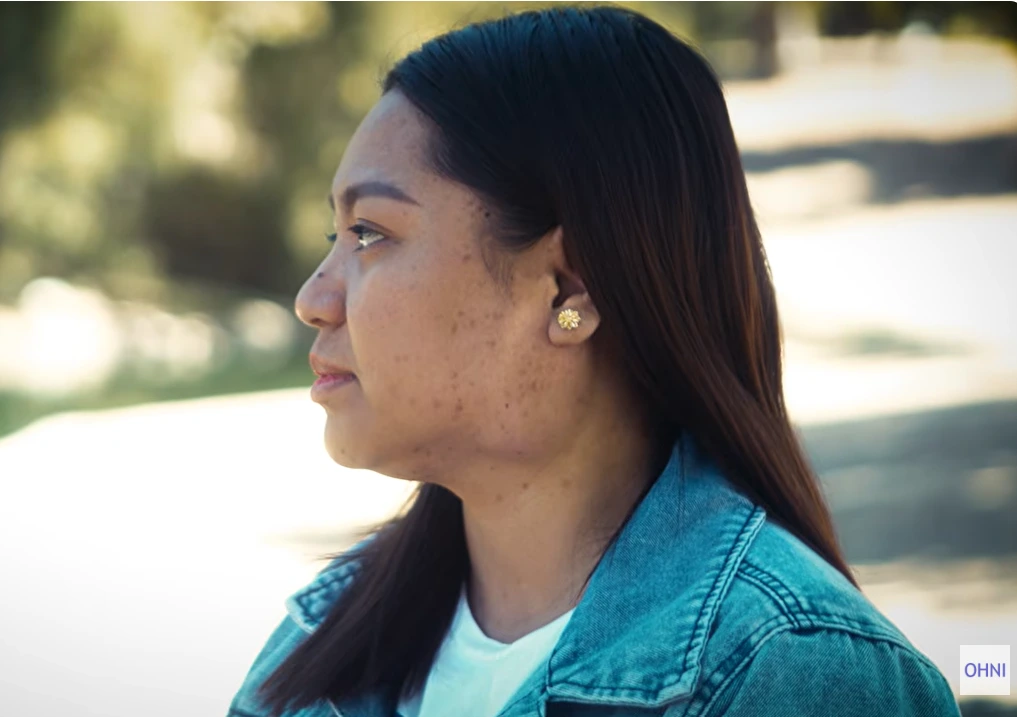
Real Patients. Real Outcomes.
Patient Reviews for Osborne Head & Neck Institute
Each story reflects what matters most: accurate diagnosis, thoughtful treatment, and outcomes that restore both function and confidence.
Hear From Our Patients
Patient Testimonials
Patients travel from across the United States and around the globe for salivary gland and parotid surgery at the Osborne Head & Neck Institute. Find a story from your state or country and see what the journey looked like for someone in your position.
View Patient TestimonialsPATIENT EDUCATION
Parotid Reconstruction FAQs
Parotid reconstruction involves restoring facial contour and symmetry after parotid gland surgery. It may involve fat grafting, tissue flaps, or other techniques to fill the surgical defect and prevent cosmetic deformity.
Not always, but it is recommended in many cases to prevent facial asymmetry, contour deformity, and Frey's syndrome. The need depends on the extent of gland tissue removed.
Options include sternocleidomastoid (SCM) muscle flaps, fat grafting, acellular dermal matrix placement, and free tissue transfer for extensive defects.
When performed by experienced surgeons, reconstruction adds minimal additional risk while significantly improving cosmetic outcomes and reducing complications like Frey's syndrome.
Initial results are visible within weeks, but final cosmetic outcomes continue to improve over 3–6 months as swelling resolves and tissues settle.
Why Choose OHNI
Not Big Medicine | Personalized, Global Expertise
Many patients assume the best care is found at large, well-known institutions. While these centers offer excellent care, they often operate within standardized systems shaped by regional training models.
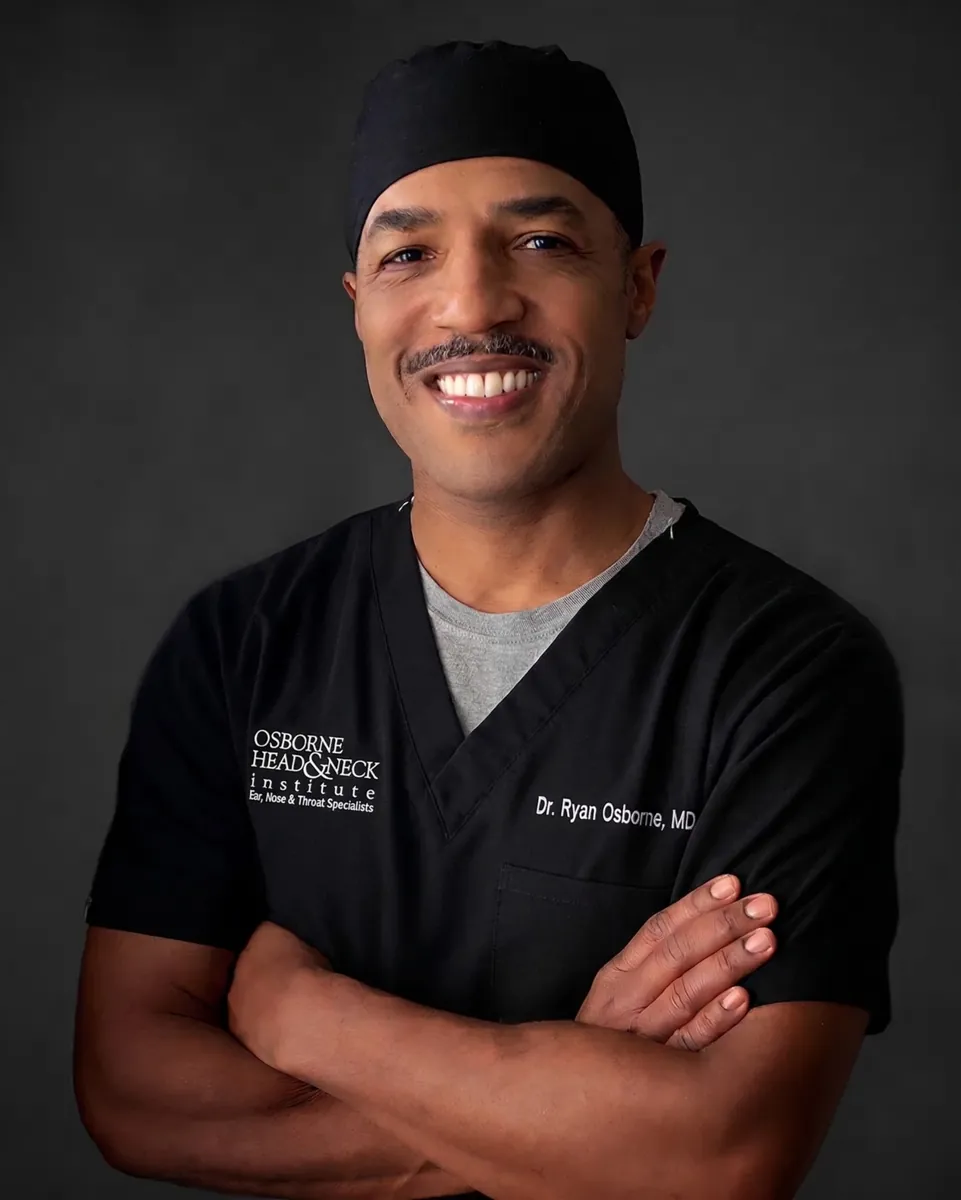
At OHNI, Dr. Ryan Osborne offers something fundamentally different: a truly global perspective combined with highly personalized surgical care with experience across five continents, tailoring each procedure to the individual patient, not the system.
Global Perspective
Experience across five continents, applying diverse surgical philosophies and techniques beyond standard U.S. training.
Precision & Preservation
Specialized techniques like Extra-Capsular Dissection designed to minimize invasiveness while protecting the facial nerve.
Patient-First Care
Direct surgeon access, individualized treatment planning, and a focus on both medical outcomes and quality of life.
Proven Outcomes
Patients consistently highlight clear communication, confident surgical decisions, and excellent functional results.
Advanced Parotid Reconstruction
Through meticulous planning and specialized surgical techniques, it is possible to preserve facial nerve integrity, restore facial symmetry, and optimize long-term quality of life.
Become a Patient
Contact the Osborne Head & Neck Institute for expert evaluation and reconstructive planning for parotid gland surgery.