Osborne Head & Neck Institute | Los Angeles
Parotid Tumor Surgery
What to Expect, Risks, Recovery & Expert Care
Ryan F. Osborne, MD | Fellowship-Trained Head & Neck Surgical Oncologist
Medically Reviewed By: OHNI Clinical Staff · Last Updated: November 2, 2026
Overview
Understanding Parotid Tumors
Parotid tumors arise from abnormal growth of cells within the salivary gland tissue. These tumors can be benign or malignant, and their behavior varies widely.
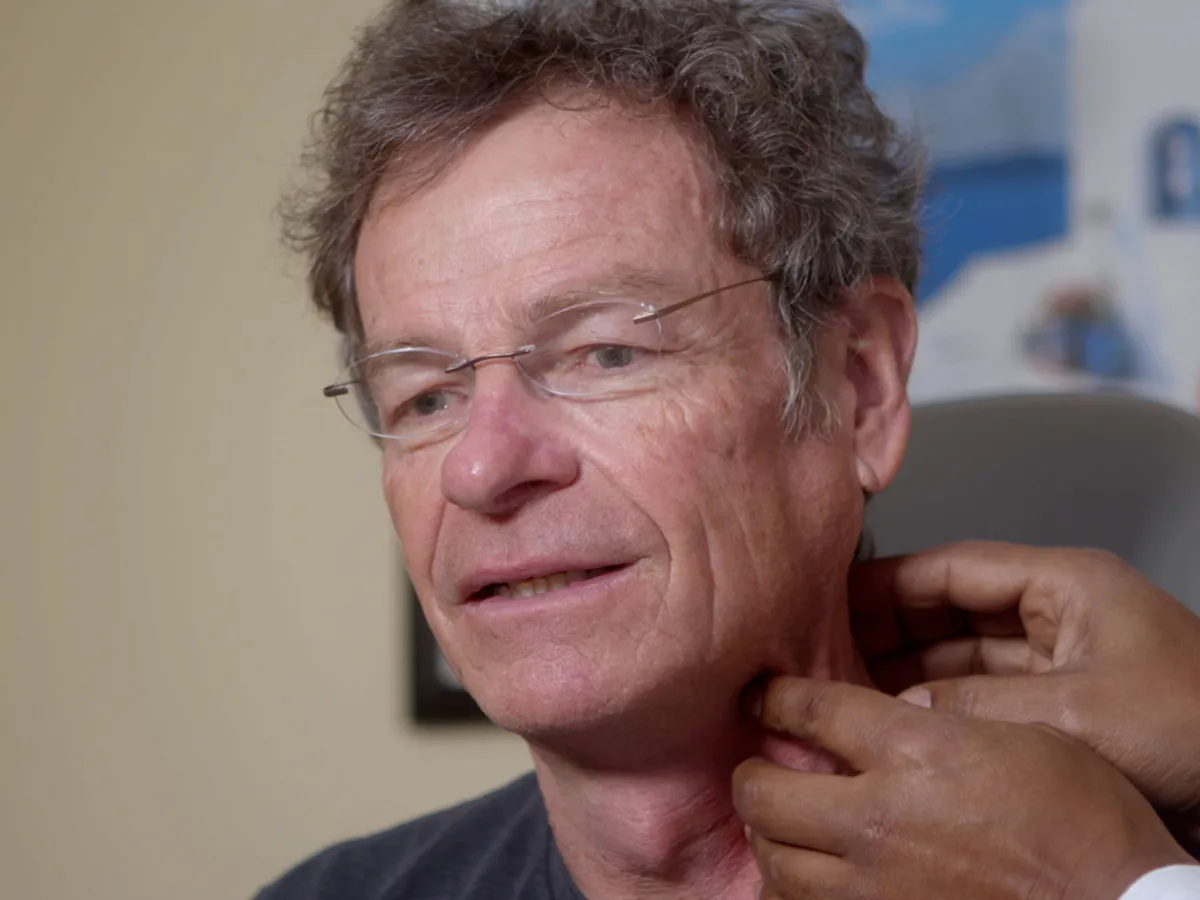
Patients typically present with a painless lump near the jaw or ear, although symptoms such as facial weakness, pain, or rapid growth may indicate malignancy1. The anatomical relationship between the parotid gland and the facial nerve is critical, the nerve divides into multiple branches within the gland and controls facial expression.
What is a parotid gland tumor?
Indications
Why Parotid Tumor Surgery Is Necessary
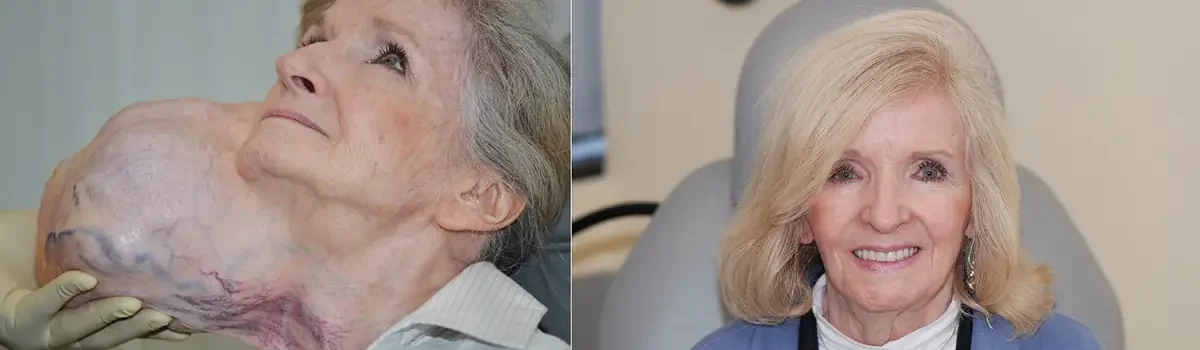
Surgery is the primary and definitive treatment for most parotid tumors3. Even benign tumors are often removed due to their potential to grow, recur, or undergo malignant transformation.
Indications for Surgery
In malignant cases, surgery is often combined with radiation therapy or additional treatments depending on tumor stage and pathology4.
Should a parotid tumor be removed?
Surgical Approaches
Types of Parotid Tumor Surgery
The surgical approach depends on tumor size, location, depth, and involvement of surrounding structures. Each approach is tailored to achieve complete tumor removal while maximizing nerve preservation.
Superficial Parotidectomy
The most common procedure, involving removal of the superficial portion of the gland where most tumors occur. Allows for preservation of the facial nerve with a lower complication rate.
Total Parotidectomy
Removes both the superficial and deep lobes of the gland. Required when tumors extend deeper into the gland or are located near critical nerve structures.
Radical Parotidectomy
Used in advanced or malignant cases. May involve removal of surrounding tissues and, in some cases, parts of the facial nerve if invaded by the tumor. Reconstruction may be required⁴.
Procedure Details
How Parotid Tumor Surgery Is Performed
Parotid tumor surgery is performed under general anesthesia and typically takes several hours, depending on complexity. This procedure requires precise anatomical knowledge and advanced surgical skill.
Incision Design
A carefully planned incision is made around the ear and into the neck to allow optimal access while minimizing visible scarring.
Identification of the Facial Nerve
The surgeon identifies the main trunk of the facial nerve and traces its branches to avoid injury.
Tumor Removal
The tumor is removed along with a margin of healthy tissue to reduce recurrence risk.
Intraoperative Monitoring
Modern techniques often include facial nerve monitoring, which helps reduce the risk of nerve injury during surgery⁵.
Reconstruction
If significant tissue or nerve is removed, reconstructive techniques may be used to restore function and appearance.
Patient Safety
Risks and Complications
Parotid surgery is generally safe, but complications can occur due to the delicate anatomy involved. Most complications are temporary and manageable when performed by experienced surgeons6.
Facial Nerve Dysfunction
Temporary facial weakness occurs in 15–66% of cases; permanent paralysis is rare at 0.6–5%³,⁶.
Frey's Syndrome
Sweating or flushing in the cheek while eating due to abnormal nerve regeneration.
Sensory Changes
Numbness around the ear and jaw is common due to disruption of sensory nerves.
Salivary Complications
Salivary fistula (leakage) or fluid collections (sialocele) may occur.
First Bite Syndrome
Sharp pain when initiating eating, typically improving over time.
How long does it take to recover ?
Post-Operative
Recovery After Surgery
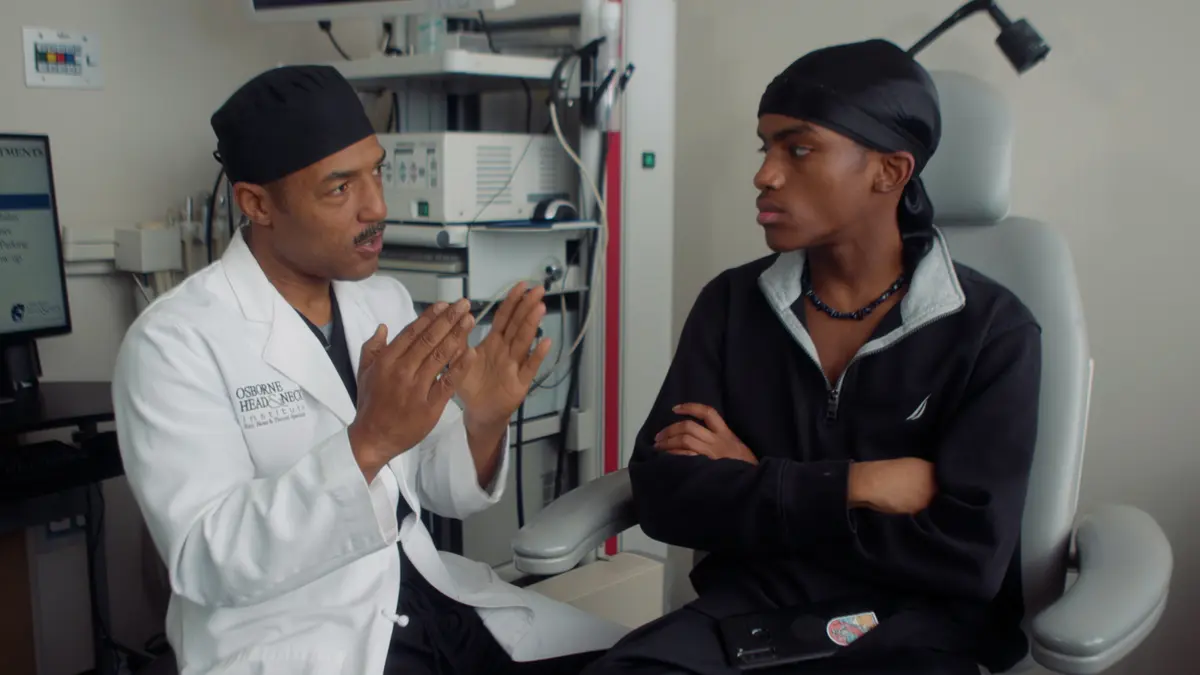
Recovery varies depending on the extent of surgery and individual healing. Most patients regain normal facial movement within one year7.
Same-day or overnight stay; drain placement; mild pain and swelling expected
Gradual reduction in swelling; return to normal daily activities
Facial nerve function typically improves over weeks to months
Prognosis
Long-Term Outcomes
Benign Tumors
Excellent outcomes with low recurrence rates. Surgery is often curative.
Malignant Tumors
Prognosis depends on tumor type, grade, and stage. Early detection significantly improves survival.
Incomplete removal of tumors, especially pleomorphic adenomas, can increase the risk of recurrence due to microscopic extensions beyond the tumor capsule6. Long-term follow-up is essential, as recurrence can occur even years after surgery.
Innovation
Advances in Parotid Tumor Surgery
Recent advances in surgical technology have significantly improved outcomes and reduced complication rates. Studies show that nerve monitoring can significantly reduce postoperative facial nerve dysfunction and improve surgical precision5.
Nerve Monitoring
Intraoperative facial nerve monitoring reduces injury risk
Advanced Imaging
Precise tumor localization with modern imaging techniques
Refined Approaches
Minimized tissue disruption through surgical refinement
Reconstruction
Enhanced options for functional and cosmetic outcomes
Expertise
The Importance of Surgeon Expertise
Parotid tumor surgery is highly specialized. Outcomes are strongly influenced by the surgeon's experience, particularly in identifying and preserving the facial nerve.
Choosing an experienced head and neck surgeon is one of the most important decisions a patient can make.
Next Steps
When to Seek Medical Evaluation
Early evaluation is critical for optimal outcomes. Early diagnosis allows for less invasive treatment and improved long-term results.
A lump near the ear, jaw, or neck
Facial weakness or asymmetry
Persistent swelling or pain
Rapid growth of a mass
Difficulty chewing or opening the mouth
Patient Education
Frequently Asked Questions
Yes. Parotid tumor surgery is classified as major surgery due to the complexity of the anatomy and the involvement of the facial nerve.
The primary risk is facial nerve injury, which can lead to temporary or, rarely, permanent facial weakness.
Most patients recover within 2–4 weeks, although full nerve recovery may take several months.
No. The majority of parotid tumors are benign, accounting for approximately 75–80% of cases.
Yes, recurrence is possible, particularly if the tumor is not completely removed or in malignant cases.
Why Choose OHNI
Not Big Medicine | Personalized, Global Expertise
Many patients assume the best care is found at large, well-known institutions. While these centers offer excellent care, they often operate within standardized systems shaped by regional training models.
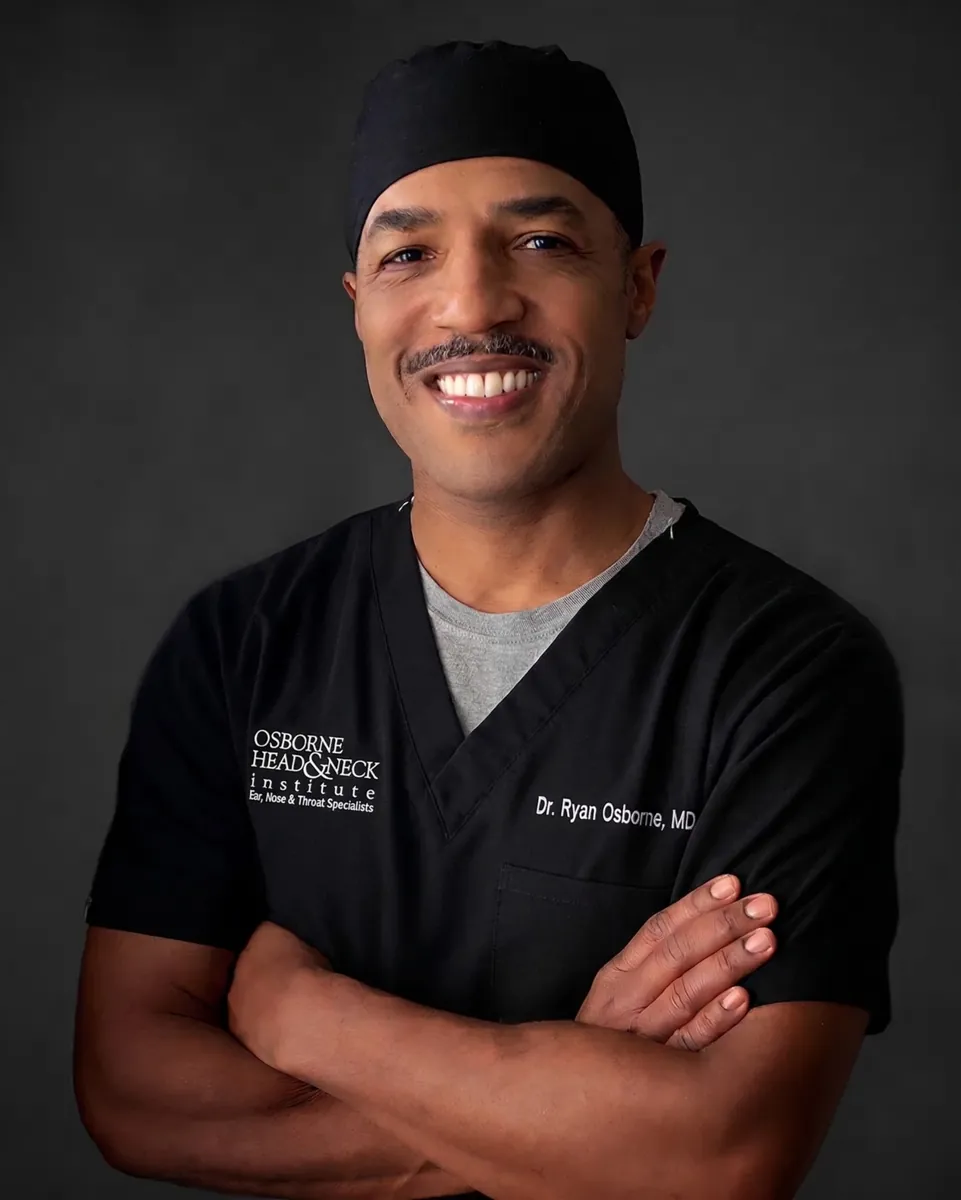
At OHNI, Dr. Ryan Osborne offers something fundamentally different: a truly global perspective combined with highly personalized surgical care with experience across five continents, tailoring each procedure to the individual patient, not the system.
Global Perspective
Experience across five continents, applying diverse surgical philosophies and techniques beyond standard U.S. training.
Precision & Preservation
Specialized techniques like Extra-Capsular Dissection designed to minimize invasiveness while protecting the facial nerve.
Patient-First Care
Direct surgeon access, individualized treatment planning, and a focus on both medical outcomes and quality of life.
Proven Outcomes
Patients consistently highlight clear communication, confident surgical decisions, and excellent functional results.
Many patients assume the best care is found at large, well-known institutions like Sloan Kettering or Johns Hopkins. While these centers offer excellent care, they often operate within standardized systems, where treatment approaches are shaped by regional training models and institutional protocols.
At OHNI, Dr. Ryan Osborne offers something fundamentally different: a truly global perspective combined with highly personalized surgical care.
Having managed salivary gland disease across five continents, Dr. Osborne brings a depth of experience that goes beyond the traditional "North American" approach. This broader exposure allows him to apply a wider range of techniques and tailor each procedure to the individual patient, not the system.
Advanced Techniques Focused on Precision and Preservation
Parotid surgery requires a delicate balance: removing disease while preserving critical structures like the facial nerve. Dr. Osborne specializes in techniques designed to minimize invasiveness and maximize outcomes, including:
Extra-Capsular Dissection (ECD)
A refined approach that removes tumors with greater precision while preserving surrounding tissue when appropriate.
Extensive Experience in Superficial Parotidectomy
Performed with a nuanced understanding gained from global surgical exposure, not just standardized training pathways.
Unlike many surgeons trained within a single system, Dr. Osborne evaluates each case individually, selecting the technique that offers the best functional and cosmetic outcome.
A Global Perspective Means More Options for You
Most ENT surgeons are trained within a regional framework. Dr. Osborne's international experience allows him to:
This translates into more options, more precision, and more confidence in your care plan.
A Patient-First Experience
Not a System-First Approach
At large institutions, patients often move through a system. At OHNI, the care is built around you.
- Direct access to your surgeon
- Individualized treatment planning
- A focus on both medical outcomes and quality of life
This is not assembly line medicine, it's high engagement, expert-driven care.
Real Patient Experiences Matter
The best measure of surgical care is the experience of real patients. At OHNI, patient stories and outcomes are not hidden, they are central to how we communicate and build trust.
From recovery experiences to long-term results, patients consistently highlight:
- Clear communication
- Confidence in surgical decisions
- Excellent functional and cosmetic outcomes
Learn Before You Decide
We believe informed patients make better decisions. That's why OHNI provides:
- Video FAQs explaining procedures and recovery
- Real case discussions to help you understand outcomes
- Transparent education about your options
These resources are designed to give you clarity, not overwhelm you.
Why Patients Travel for Dr. Osborne
Patients routinely travel from across the country, and around the world, to seek care at OHNI. They come not just for expertise, but for a different kind of surgical experience:
- Global knowledge applied locally
- Advanced techniques tailored to the individual
- A practice built around the patient, not the institution
What Sets Dr. Osborne Apart
Distinctions Few Surgeons Ever Achieve
Beyond surgical skill, Dr. Osborne holds credentials and appointments that represent the highest levels of professional achievement, global leadership, and peer recognition in medicine.
Head of the Consulate of the Republic of Serbia
Dr. Osborne serves as Head of the Consulate of the Republic of Serbia in Los Angeles, a distinguished diplomatic appointment that reflects deep engagement in international relations, cultural diplomacy, and cross-border collaboration.
This role is extraordinarily rare for a practicing surgeon and speaks to the trust placed in Dr. Osborne as a leader whose influence extends well beyond medicine into global affairs and humanitarian service.
Member, Triological Society
The oldest and most prestigious academic society in otolaryngology, head and neck surgery in the United States, founded in 1895. Membership is by invitation only, reserved for those who have made significant contributions to research, education, and clinical practice.
Board Certified, American Academy of Otolaryngology / Head and Neck Surgery
Board certification requires completion of an accredited residency, passage of rigorous written and oral examinations, and ongoing maintenance of certification. It is the definitive credential confirming expertise in the diagnosis and surgical treatment of disorders of the head and neck.
Member, Society of University Otolaryngologists / Head and Neck Surgeons
A selective academic society whose membership is limited to otolaryngologist, head and neck surgeons holding faculty positions at university medical centers. Membership reflects a sustained commitment to academic medicine, surgical education, and scholarly research.
Guiding Principles
Surgical Philosophy
Oncologic Precision
Complete disease control guided by evidence-based cancer care.
Functional Preservation
Protection of facial movement, speech, swallowing, breathing, and cranial nerve integrity whenever safely possible.
Individualized Strategy
Every surgical plan is tailored to the patient's anatomy, pathology, imaging, and long-term quality-of-life goals.
He believes that technical excellence must be paired with compassion. Known for his attentive bedside manner and direct surgeon-led care, Dr. Osborne personally guides patients from initial consultation through recovery.
References
- Salivary gland tumor epidemiology and classification data.
- WHO Classification of Head and Neck Tumours.
- Clinical study on facial nerve dysfunction after parotidectomy. PMC.
- Surgical management of malignant parotid tumors and outcomes. Plast Reconstr Surg.
- Role of intraoperative nerve monitoring in parotid surgery. JAMA Network.
- Complications and recurrence patterns in parotid surgery. SCIRP.
- Recovery of facial nerve function after parotidectomy.
Become a Patient
Contact the Osborne Head & Neck Institute for expert evaluation and surgical planning.