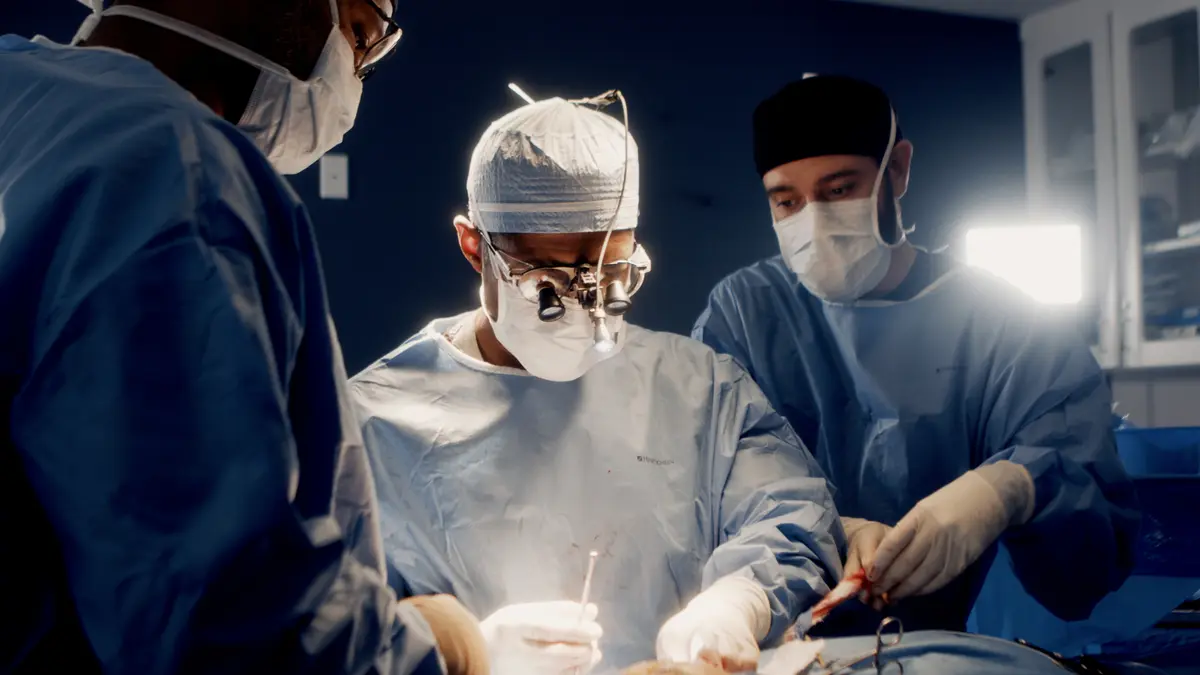
Osborne Head & Neck Institute | Los Angeles
Deep Lobe Parotid Tumor Surgery
Complex Treatment for Advanced Parotid Tumors
Ryan F. Osborne, MD, Fellowship-Trained Head & Neck Surgical Oncologist
Medically Reviewed By: OHNI Clinical Staff · Last Updated: November 4, 2026
Overview
What Is a Deep Lobe Parotid Tumor?
The parotid gland is divided into two main parts: the superficial lobe (located above the facial nerve) and the deep lobe (located beneath and behind the facial nerve). A deep lobe parotid tumor arises within the deeper portion of the gland, often extending toward the parapharyngeal space.
Although most parotid tumors occur in the superficial lobe, studies show that approximately 10–20% arise in the deep lobe1.
Parotid Gland Anatomy
Superficial Lobe
Located above the facial nerve
Deep Lobe
Located beneath and behind the facial nerve, near the parapharyngeal space
Approximately 10–20% of parotid tumors arise in the deep lobe1.
Clinical Challenges
Why Deep Lobe Tumors Are More Complex
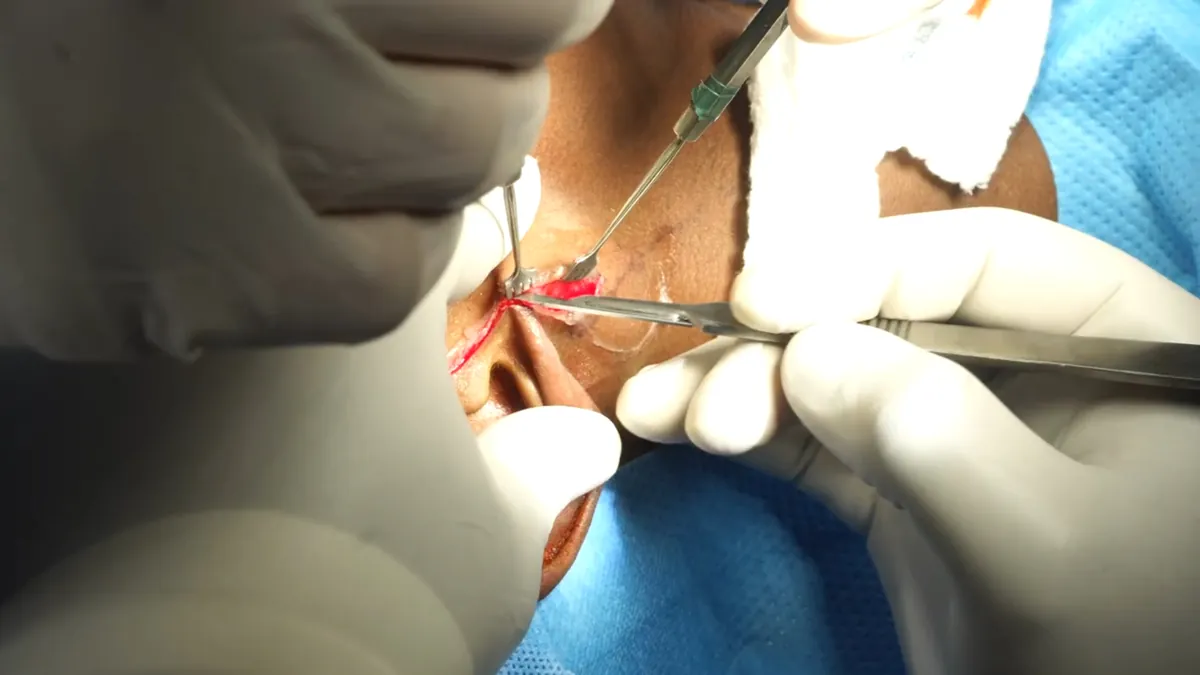
Limited Visibility
Deep lobe tumors may not produce obvious external swelling and can grow inward toward the throat, often delaying diagnosis.
Proximity to Critical Structures
These tumors are located near the facial nerve, major blood vessels, and the airway, increasing surgical complexity and risk.
Potential for Larger Size
Because they are less visible, deep lobe tumors may grow larger before being detected.
Signs & Symptoms
Symptoms of Deep Lobe Parotid Tumors
Common Symptoms
- Fullness or swelling near the jaw or ear
- A mass deep in the cheek or neck
- Subtle facial asymmetry
Less Common but Important
- Difficulty swallowing
- A sensation of fullness in the throat
- Limited jaw opening
Types of Deep Lobe Tumors
Benign Tumors
- Pleomorphic adenoma (most common)
- Warthin tumor (less common in deep lobe)
Malignant Tumors
- Mucoepidermoid carcinoma
- Adenoid cystic carcinoma
- Acinic cell carcinoma
The risk of malignancy is slightly higher in deep lobe tumors compared to superficial tumors3.
Evaluation
How Deep Lobe Tumors Are Diagnosed
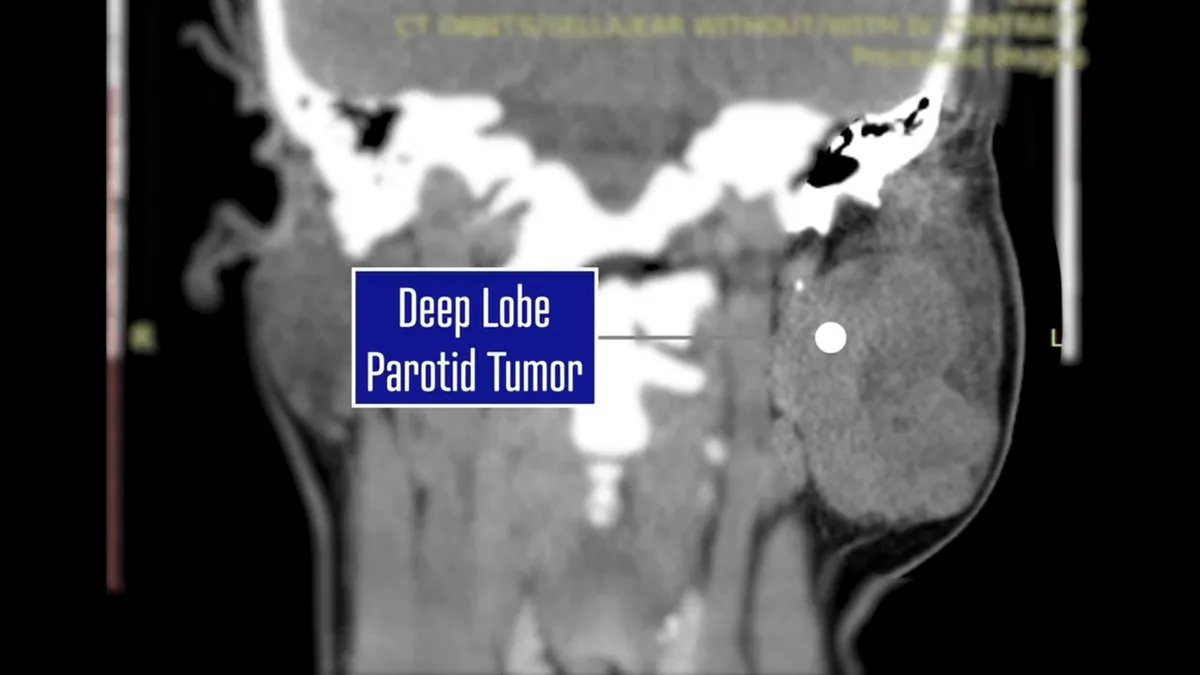
Physical Examination
Deep lobe tumors may not be easily visible, so diagnosis often requires careful palpation and clinical suspicion.
Imaging Studies
MRI is the preferred modality for soft tissue detail. CT scans assess bone and structural involvement. Imaging defines tumor size, extent, and relationship to surrounding structures.
Fine-Needle Aspiration
FNA biopsy evaluates tumor type and benign vs malignant nature. Deep location may make biopsy technically more challenging.
Treatment
Surgical Approaches in Deep Lobe Parotid Tumor Surgery
Surgery is the primary treatment for most deep lobe tumors. The primary objective is complete tumor removal with preservation of the facial nerve whenever possible.
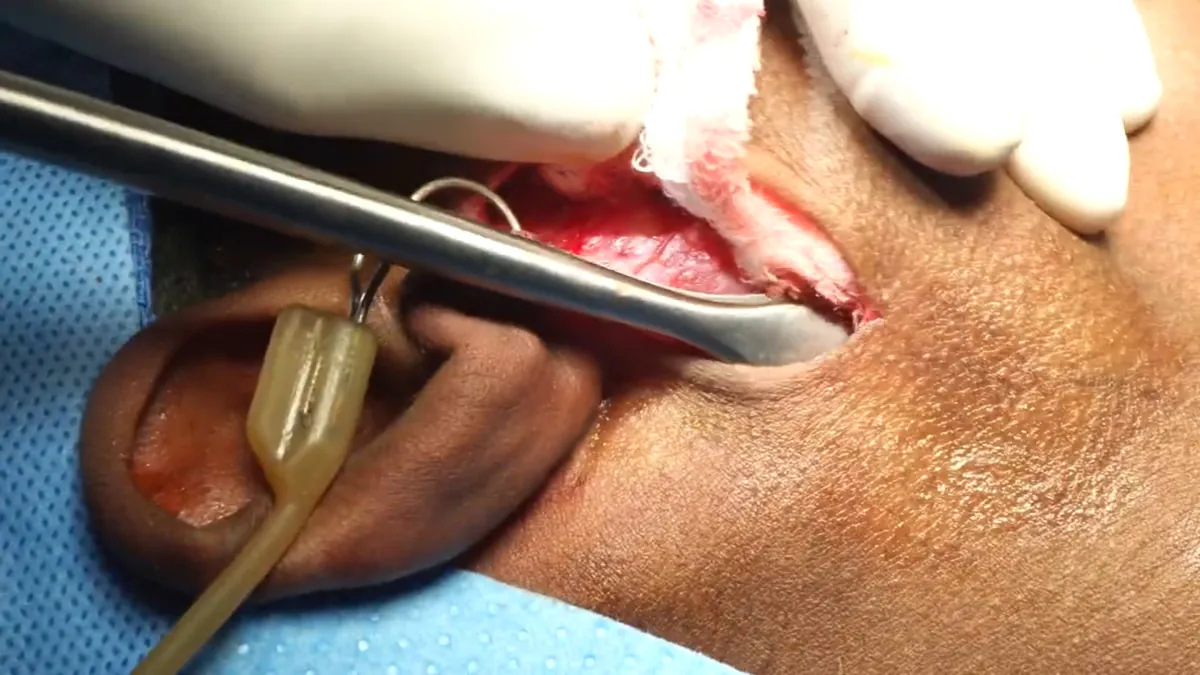
Total Parotidectomy with Deep Lobe Dissection
The most common approach. Involves removal of the superficial lobe, careful dissection around the facial nerve, and removal of the deep lobe tumor.
Transparotid Approach
Allows access through the parotid gland while preserving nerve function.
Combined Approaches
For tumors extending into the parapharyngeal space, additional surgical techniques may be required.
Critical Anatomy
The Role of the Facial Nerve
The facial nerve is central to all parotid surgery. In deep lobe surgery, the nerve must be identified and carefully mobilized, and branches may need to be gently retracted to access the tumor.
In some cases, if the tumor involves the nerve, partial or complete nerve removal may be necessary. Studies show that facial nerve preservation is achievable in most benign cases but may be compromised in malignant disease4.
Nerve Management in Deep Lobe Surgery
- Nerve must be identified and carefully mobilized
- Branches gently retracted to access the tumor
- Nerve monitoring used for real-time feedback
- Preservation achievable in most benign cases
Important Information
Risks and Complications
Deep lobe parotid surgery carries higher risks compared to superficial procedures due to the complexity of the anatomy involved.
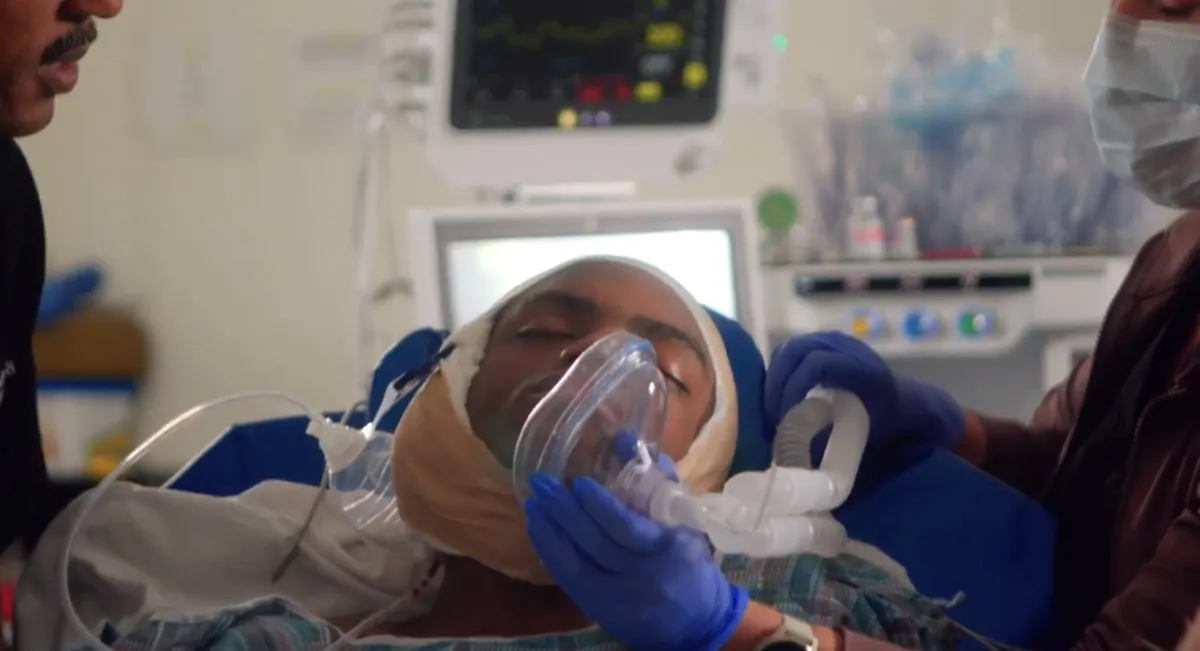
Facial Nerve Weakness
Temporary weakness is common, occurring in up to 50–70% of complex cases. Permanent paralysis is less common but may occur in advanced tumors⁴.
Difficulty Swallowing
Tumors extending into the throat may cause temporary swallowing difficulties after surgery.
Bleeding and Vascular Injury
Due to proximity to major blood vessels, there is a higher risk of bleeding.
Frey's Syndrome
Sweating during eating may occur due to nerve regeneration.
Cosmetic Changes
Removal of deeper tissue may affect facial contour and symmetry. Reconstructive techniques can help address these changes.
Recovery Timeline
Recovery After Deep Lobe Surgery
Recovery varies depending on the extent of surgery.
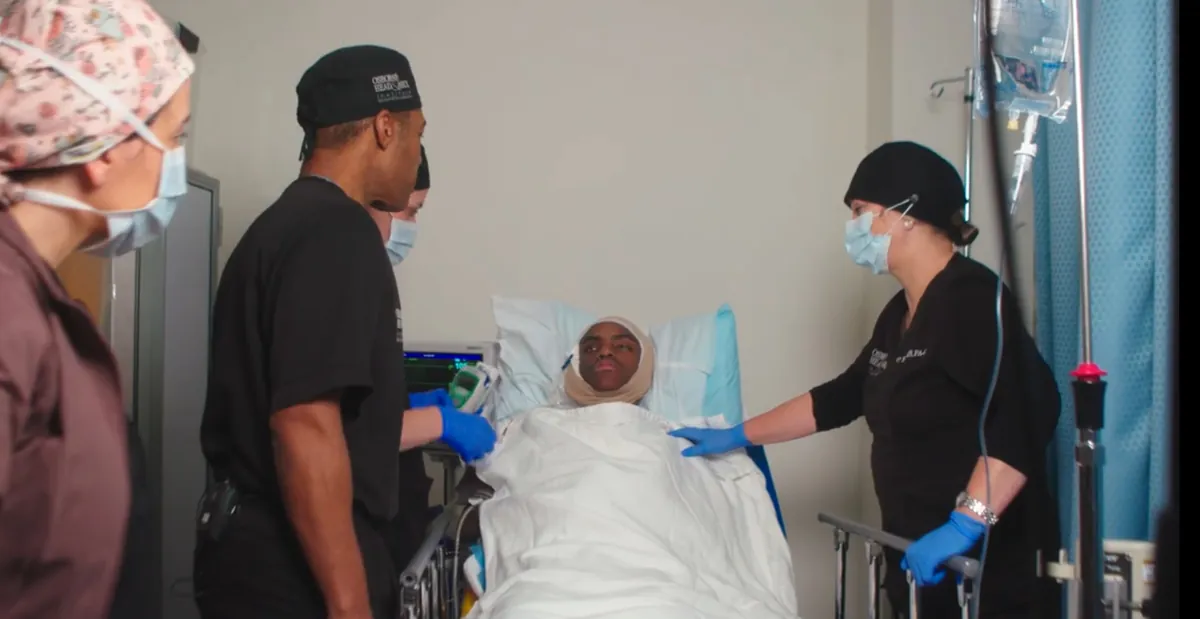
Immediate Recovery
- Outpatient surgery, patient goes home the same day
- Drain in place for 48 hours
- Mild swelling and discomfort
Short-Term Recovery
- Gradual return to normal activities
- Monitor normal healing process
Long-Term Recovery
- Return to normal activities
- Follow MRI 3 months after surgery
Innovation
Advances in Deep Lobe Surgery
Intraoperative Nerve Monitoring
Helps reduce nerve injury and improve surgical precision⁶.
Improved Imaging
Allows better preoperative planning and tumor localization.
Minimally Invasive Techniques
In select cases, less invasive approaches may reduce complications.
Importance of Surgeon Expertise
Deep lobe parotid tumor surgery requires advanced anatomical knowledge, experience with complex cases, and precision surgical technique.
Studies consistently show that outcomes are significantly better when performed by experienced head and neck surgeons4.
References
- Salivary gland tumor distribution and deep lobe prevalence. Oral Diseases.
- Clinical indicators of malignancy in parotid tumors. Head and Neck Oncology literature.
- Epidemiology of deep lobe parotid tumors. WHO Classification of Head and Neck Tumours.
- Guntinas-Lichius O et al. Facial nerve outcomes in parotid surgery. Acta Oto-Laryngologica.
- Bron LP, O'Brien CJ. Facial nerve recovery after parotidectomy. Archives of Otolaryngology–Head & Neck Surgery.
- Randolph GW et al. Nerve monitoring in head and neck surgery. The Laryngoscope.
Patient Education
Frequently Asked Questions
It is a tumor located in the deeper portion of the parotid gland, often near the throat.
They can be more complex due to their location and may have a slightly higher risk of malignancy.
Most deep lobe tumors require surgery for complete removal and diagnosis.
There is a higher risk compared to superficial tumors, but experienced surgeons can often preserve nerve function.
Initial recovery takes a few weeks, but nerve recovery may take several months.
Why Choose OHNI
Not Big Medicine | Personalized, Global Expertise
Many patients assume the best care is found at large, well-known institutions. While these centers offer excellent care, they often operate within standardized systems shaped by regional training models.
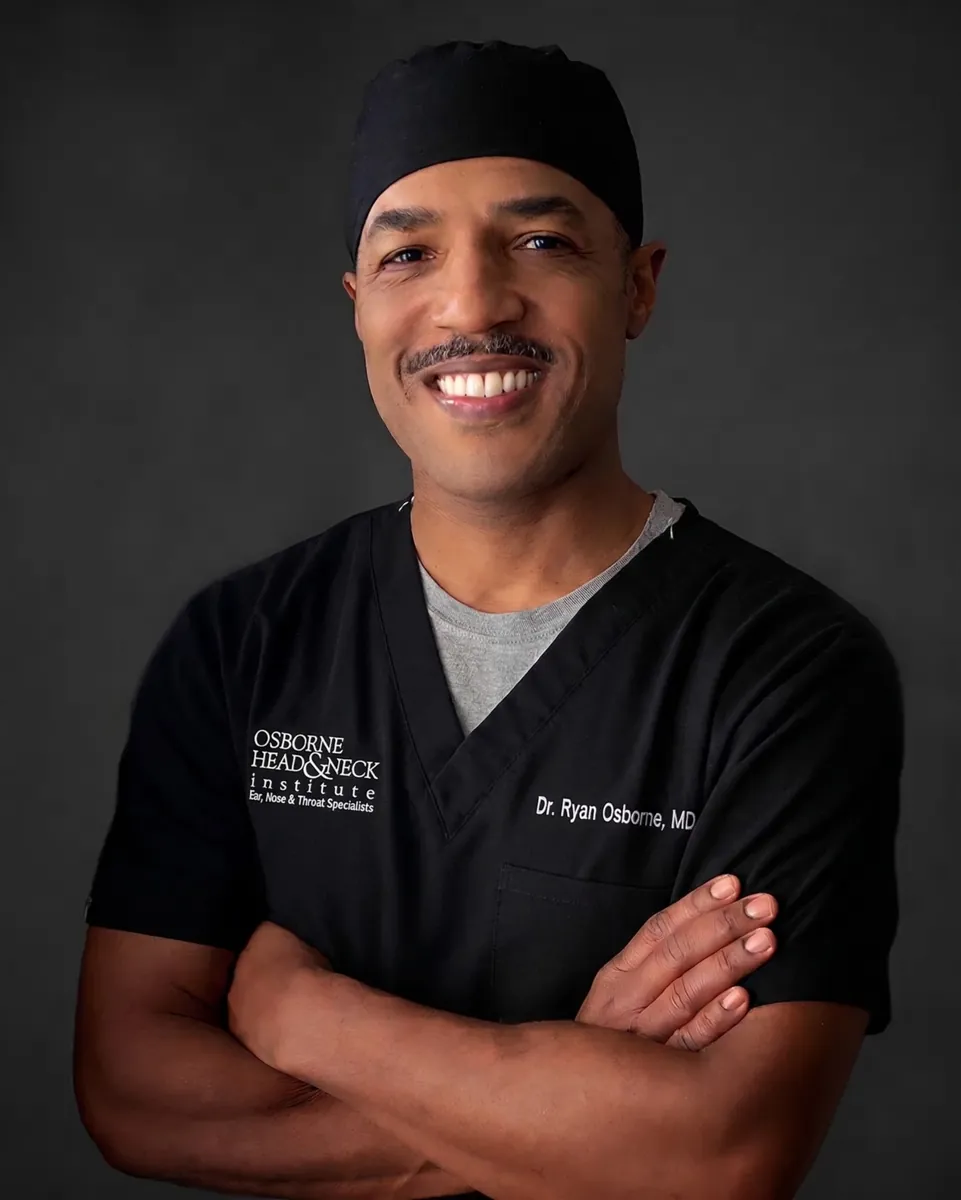
At OHNI, Dr. Ryan Osborne offers something fundamentally different: a truly global perspective combined with highly personalized surgical care with experience across five continents, tailoring each procedure to the individual patient, not the system.
Global Perspective
Experience across five continents, applying diverse surgical philosophies and techniques beyond standard U.S. training.
Precision & Preservation
Specialized techniques like Extra-Capsular Dissection designed to minimize invasiveness while protecting the facial nerve.
Patient-First Care
Direct surgeon access, individualized treatment planning, and a focus on both medical outcomes and quality of life.
Proven Outcomes
Patients consistently highlight clear communication, confident surgical decisions, and excellent functional results.
Expert Deep Lobe Surgery
If you have been diagnosed with a deep lobe parotid tumor, expert deep lobe parotid tumor surgery is the most important step toward a successful outcome.

Become a Patient
Contact the Osborne Head & Neck Institute for expert deep lobe parotid tumor surgery consultation.